
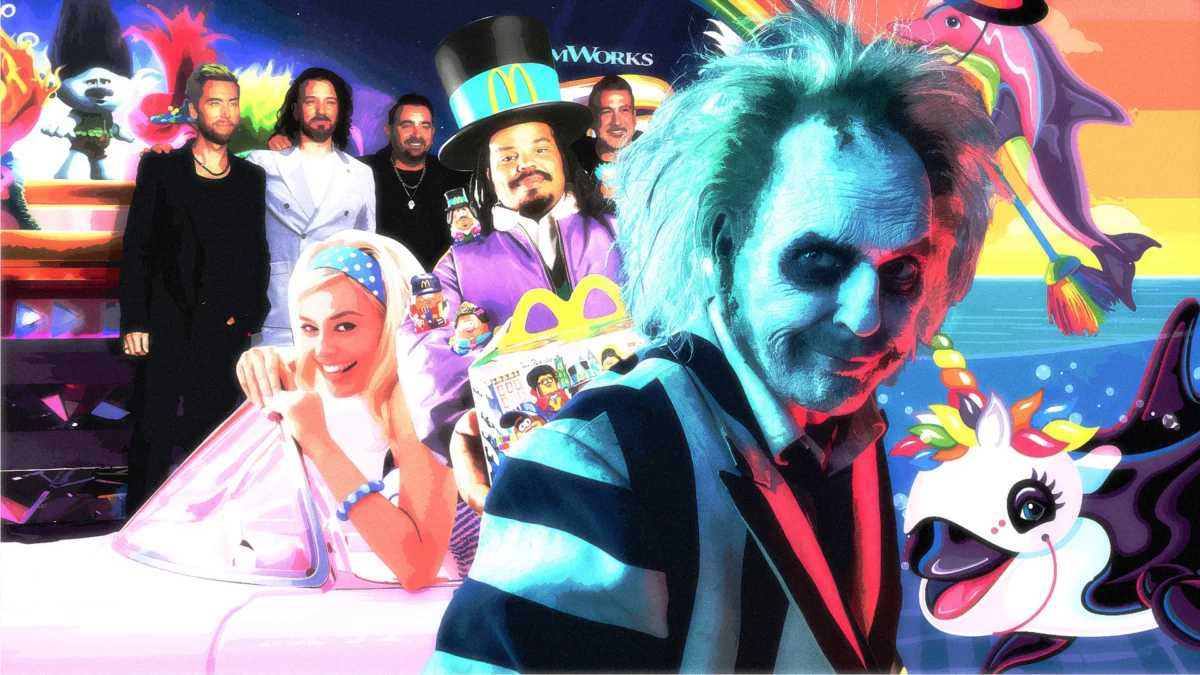
Nostalgia has become one of the most powerful forces shaping the entertainment industry. From movie reboots and television revivals to concert tours and streaming content, audiences continue to embrace familiar characters, stories, and franchises from previous decades.
While nostalgia has always played a role in entertainment, its influence has grown significantly in recent years. Studios, networks, streaming platforms, and music companies increasingly rely on established brands and recognizable intellectual property to attract audiences in an increasingly competitive marketplace.
The Business Value of Familiarity
Entertainment companies face greater competition than ever before. Audiences now have access to thousands of movies, television series, games, podcasts, and streaming options.
In such a crowded environment, familiar brands offer a major advantage.
Consumers are more likely to engage with content they already recognize. A known title can reduce marketing costs while increasing the likelihood of attracting viewers, listeners, and fans.
For studios and networks, nostalgia often represents a lower-risk investment than launching entirely new franchises.
Reboots, Revivals, and Sequels
Many of today’s biggest entertainment projects are built around existing properties.
Popular strategies include:
- Reboots of classic films
- Television revivals
- Legacy sequels
- Anniversary specials
- Remastered content
- Franchise expansions
These projects appeal to longtime fans while introducing beloved properties to younger audiences.
When successful, they create multiple generations of consumers for a single brand.
Streaming Platforms Fuel Nostalgia
Streaming services have accelerated the nostalgia trend by making older content more accessible than ever before.
Classic television shows, films, and music catalogs are now available on demand, allowing audiences to revisit favorite entertainment from previous decades.
This constant availability keeps older brands relevant and often creates renewed interest in franchise extensions, spin-offs, and reboots.
Streaming has effectively transformed decades-old content into ongoing assets rather than historical archives.
Music’s Nostalgia Boom
The music industry has also benefited from nostalgia-driven consumption.
Artists frequently celebrate milestone anniversaries through:
- Reunion tours
- Anniversary albums
- Deluxe reissues
- Documentary projects
- Legacy performances
Classic songs regularly find new audiences through social media, film soundtracks, television placements, and streaming playlists.
In many cases, catalog music generates significant revenue long after its original release.
The Emotional Connection
Nostalgia succeeds because it is deeply emotional.
Entertainment often becomes connected to important memories, life experiences, friendships, and cultural moments. Revisiting familiar stories or music can create feelings of comfort, excitement, and connection.
For audiences navigating rapid technological and cultural change, familiar entertainment can provide a sense of stability and familiarity.
That emotional bond is difficult for entirely new properties to replicate.
Balancing Nostalgia and Innovation
While nostalgia can be highly profitable, entertainment companies must balance familiarity with innovation.
Overreliance on existing franchises may limit opportunities for original storytelling and new creative voices.
The most successful entertainment companies often combine proven brands with fresh ideas, allowing audiences to enjoy familiar experiences while discovering something new.
Finding that balance remains one of the industry’s greatest challenges.
The Future of Nostalgia Entertainment
Nostalgia is likely to remain a major force in entertainment for years to come. As media libraries expand and new generations develop emotional attachments to modern franchises, the cycle will continue.
Today’s blockbuster films, streaming hits, and chart-topping albums may become tomorrow’s nostalgia-driven revivals.
For entertainment companies, the ability to preserve, manage, and reinvent beloved brands will remain an important competitive advantage.
Final Take
Nostalgia has evolved from a marketing tactic into a core business strategy throughout the entertainment industry.
By leveraging familiar brands, emotional connections, and cultural memories, entertainment companies continue to attract audiences while extending the value of their most successful properties.
As consumer preferences evolve, nostalgia will likely remain one of the most reliable drivers of engagement across movies, television, music, streaming, and beyond.
Related ShowBiz Originals
- How Entertainment Franchises Became Billion-Dollar Brands
- Why Streaming Services Changed Hollywood Forever
- The Biggest Entertainment Trends of 2026
- How Fan Communities Became the Most Powerful Force in Entertainment
About ShowBiz Originals
ShowBiz Originals delivers exclusive analysis, commentary, and insights covering the business of entertainment, movies, television, music, streaming, gaming, technology, and celebrity culture.