
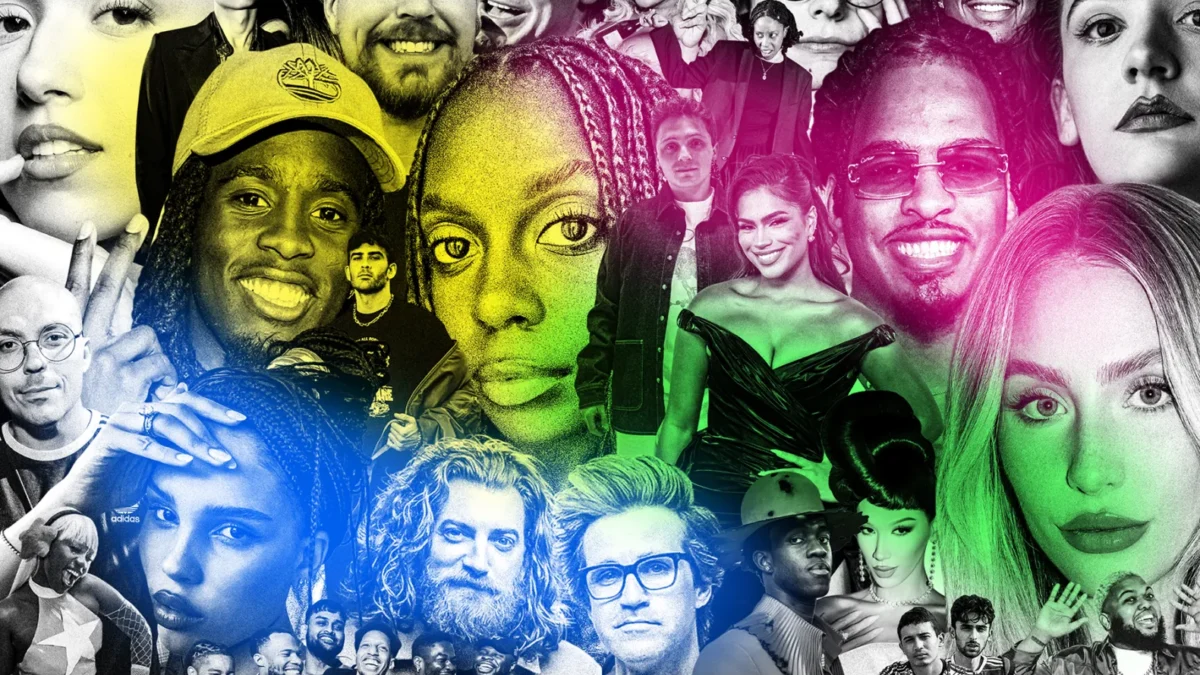
The creator economy has evolved far beyond social media posts and brand endorsements. Today’s most successful influencers are building businesses that resemble traditional media companies, complete with production teams, advertising operations, merchandise divisions, and direct relationships with audiences.
What began as individual content creation has transformed into a new form of entertainment entrepreneurship that is reshaping the media landscape.
The Evolution of the Creator Economy
In the early days of social media, influencers primarily generated income through sponsored content and advertising partnerships. Success was often measured by follower counts and engagement metrics.
Over time, many creators recognized the limitations of relying solely on platform algorithms and brand deals.
As audiences grew, creators began launching businesses, developing intellectual property, and expanding beyond social media into broader entertainment ventures.
Today, some influencers operate organizations with dozens of employees and multiple revenue streams.
Building Direct Audience Relationships
One of the biggest advantages creators possess is their direct connection to audiences.
Unlike traditional media companies that often rely on intermediaries, influencers communicate directly with followers through:
- Social media platforms
- Email newsletters
- Membership communities
- Podcasts
- Live events
- Subscription services
These relationships create loyalty that can be leveraged across multiple business ventures.
For many creators, audience trust has become their most valuable asset.
Diversifying Revenue Streams
Modern creators rarely depend on a single source of income.
Many have expanded into:
- Merchandise sales
- Podcasts
- Books
- Live events
- Subscription content
- Product launches
- Production companies
- Licensing agreements
Diversification helps reduce dependence on platform algorithms while creating more stable long-term businesses.
The most successful creators think like entrepreneurs rather than influencers.
Producing Original Content
Many influencers now operate full-scale production studios.
Teams may include:
- Producers
- Editors
- Writers
- Graphic designers
- Marketing specialists
- Business managers
This professionalization allows creators to publish content across multiple platforms while maintaining consistent quality and audience engagement.
In many cases, creator-led studios produce content volumes comparable to traditional media organizations.
Competing With Traditional Media
The rise of creator-led businesses has created new competition for television networks, magazines, and digital publishers.
Many audiences now spend more time consuming creator content than traditional media programming.
Brands have also shifted advertising budgets toward creators because of their ability to reach highly engaged niche communities.
As a result, creators increasingly compete for both audience attention and advertising revenue.
Ownership Matters
One of the biggest differences between creators and traditional media talent is ownership.
Many influencers retain control over:
- Their content
- Their brands
- Their audiences
- Their intellectual property
Ownership allows creators to capture a larger share of the value they generate while maintaining creative independence.
This business model has become a major attraction for the next generation of entertainers.
The Future of Creator-Led Media
The line between influencers and media companies will likely continue to blur.
As creators launch studios, streaming projects, product lines, and entertainment ventures, many will become fully integrated media businesses capable of competing on a global scale.
Technology continues to lower barriers to entry, allowing talented creators to build audiences and businesses without the infrastructure once required by traditional media organizations.
Final Take
Influencers are no longer simply content creators. Many have evolved into entrepreneurs, executives, and media owners who control valuable brands and direct relationships with millions of consumers.
As the creator economy continues to mature, influencer-led businesses are expected to play an increasingly important role in the future of entertainment and media.
Related ShowBiz Originals
- The Rise of AI in Hollywood Production
- Why Streaming Services Changed Hollywood Forever
- How Entertainment Franchises Became Billion-Dollar Brands
- The Biggest Entertainment Trends of 2026
About ShowBiz Originals
ShowBiz Originals delivers exclusive analysis, commentary, and insights covering the business of entertainment, movies, television, music, streaming, gaming, technology, and celebrity culture.