
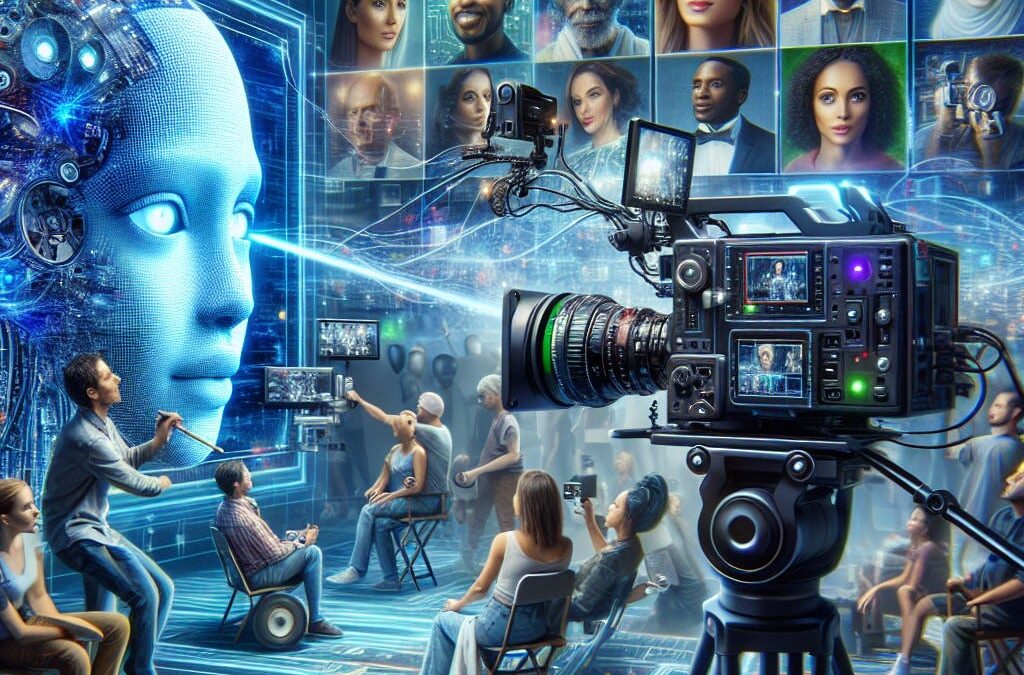
Artificial intelligence has rapidly moved from a futuristic concept to a practical tool used throughout the entertainment industry. While AI-generated scripts and digital actors often dominate headlines, the technology’s most significant impact is happening behind the scenes, where studios, production companies, and creative teams are using AI to streamline workflows, reduce costs, and enhance decision-making.
AI Enters the Production Pipeline
Hollywood productions generate enormous amounts of data. From script revisions and shooting schedules to visual effects and marketing campaigns, every stage of production involves complex planning and coordination. AI tools are increasingly being used to analyze this information and identify opportunities for greater efficiency.
Production teams now use AI-powered software to create shooting schedules, estimate budgets, manage logistics, and track production progress. These systems can process thousands of variables in seconds, helping producers make faster and more informed decisions.
Visual Effects and Digital Production
The visual effects industry has been among the earliest adopters of AI technology. Machine learning tools can now automate time-consuming tasks such as object tracking, rotoscoping, background replacement, and image enhancement.
Virtual production environments, popularized by major franchises and streaming productions, also rely heavily on AI-assisted systems. These tools help create realistic digital environments, lighting simulations, and visual previews before filming begins.
As a result, productions can achieve higher-quality visual effects while reducing both costs and production timelines.
Script Development and Content Analysis
Studios are increasingly using AI to analyze scripts before projects enter production. These tools can evaluate story structure, pacing, character development, audience demographics, and genre trends.
While AI cannot replace creative storytelling, it can provide valuable insights that help executives identify strengths and weaknesses within a project. Some companies also use predictive analytics to estimate potential audience interest and box office performance.
The goal is not to replace writers but to supplement traditional development processes with additional data-driven insights.
Marketing and Audience Engagement
Entertainment marketing has become increasingly data-driven, and AI is playing a major role in campaign development.
Studios use AI to:
- Analyze audience behavior
- Predict content trends
- Optimize advertising campaigns
- Personalize promotional content
- Improve social media engagement
Streaming platforms in particular rely heavily on recommendation algorithms that help viewers discover content based on their interests and viewing habits.
Concerns and Industry Debate
Despite its benefits, AI remains one of Hollywood’s most controversial technologies. Writers, actors, and creative professionals have raised concerns about copyright, compensation, job displacement, and the use of digital likenesses.
Industry organizations continue to negotiate guidelines that balance innovation with protections for creative talent. The challenge facing Hollywood is determining how to embrace new technology while preserving the human creativity that drives storytelling.
The Future of AI in Entertainment
The entertainment industry is unlikely to become fully automated. Storytelling, performance, and artistic vision remain deeply human endeavors. However, AI will continue to transform the business side of entertainment, helping studios produce content more efficiently and make better-informed decisions.
As technology advances, AI will become an increasingly important tool across every stage of production, from development and filming to marketing and distribution. The studios that successfully combine human creativity with technological innovation may be best positioned to thrive in Hollywood’s next era.
Final Take
Artificial intelligence is no longer a futuristic concept for Hollywood. It has become a practical tool that is reshaping production, marketing, visual effects, and business operations across the entertainment industry.
While debates surrounding ethics, copyright, and creative ownership will continue, AI’s influence on entertainment is expected to grow significantly in the years ahead.
Related ShowBiz Originals
- How Movie Studios Actually Make Money
- Why Streaming Services Changed Hollywood Forever
- The Biggest Entertainment Trends of 2026
- How Entertainment Franchises Became Billion-Dollar Brands
About ShowBiz Originals
ShowBiz Originals delivers exclusive analysis, commentary, and insights covering the business of entertainment, movies, television, music, streaming, gaming, technology, and celebrity culture