From Viewers to Influencers
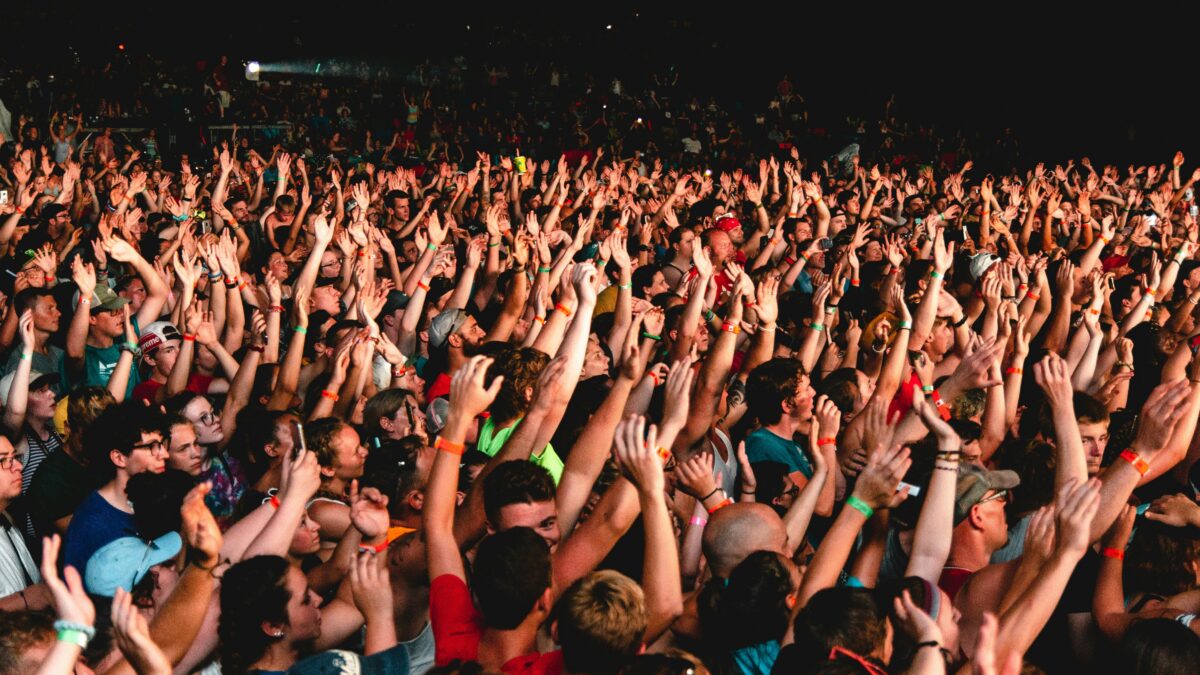
Entertainment used to be a one-way conversation. Studios created movies, television shows, music, and live events while audiences simply consumed the content. Today, fans play a much larger role. Through social media, online forums, conventions, podcasts, and creator platforms, fan communities have become one of the most influential forces in the entertainment industry.
A passionate fan base can turn a small project into a global phenomenon, revive canceled shows, and influence the decisions of major studios. In many ways, fans are no longer just customers—they are active participants in the entertainment ecosystem.
The Rise of Digital Fandom
The internet transformed fan culture. Communities that once gathered through newsletters and local clubs can now connect instantly with millions of people worldwide.
Platforms like social media, video-sharing sites, and discussion boards allow fans to share theories, create artwork, organize events, and promote their favorite entertainment properties. A single viral post can generate more attention than a traditional marketing campaign.
This digital connectivity has given fan communities unprecedented power and visibility.
Conventions Became Cultural Events
Fan conventions have evolved from niche gatherings into major business ventures. Events focused on movies, television, gaming, comics, anime, and pop culture attract hundreds of thousands of attendees each year.
These conventions offer fans the opportunity to meet creators, attend exclusive panels, purchase merchandise, and celebrate shared interests. For studios and brands, conventions have become important marketing platforms where announcements can generate worldwide headlines.
Social Media Amplifies Every Release
When a new movie, album, television series, or game launches, fan communities often drive the online conversation. Hashtags trend globally, reaction videos accumulate millions of views, and fan-generated content spreads rapidly across platforms.
Studios increasingly monitor fan reactions to gauge audience sentiment and identify emerging trends. Positive fan engagement can boost awareness, while negative reactions can influence future creative decisions.
The Business of Fandom
The financial impact of fandom extends far beyond ticket sales and subscriptions. Merchandise, collectibles, conventions, licensing agreements, and exclusive experiences generate billions of dollars annually.
Some of the world’s most successful entertainment franchises thrive because of highly engaged fan communities that continue supporting the brand between major releases.
For entertainment companies, maintaining strong relationships with fans has become a critical part of long-term success.
The Future of Fan Influence
As technology continues to evolve, fan participation is expected to increase. Interactive experiences, virtual communities, creator collaborations, and emerging technologies may further blur the line between audience and creator.
The entertainment industry is becoming more connected than ever before, and fan communities will likely remain at the center of that transformation.
Final Thoughts
Fan communities have grown from dedicated audiences into influential cultural and economic forces. Their ability to shape conversations, support creators, and drive engagement has changed how entertainment is produced, marketed, and consumed.
In today’s entertainment landscape, understanding fandom is no longer optional—it’s essential.
Related ShowBiz Originals:
- How Fan Conventions Became Big Business
- How Theme Parks Became Entertainment Powerhouses
- The Power Of Entertainment Franchises
- How Entertainment Companies Build Global Brands
ShowBiz Originals delivers exclusive analysis, commentary, and insights covering the business of entertainment, movies, television, music, streaming, gaming, and celebrity culture.