
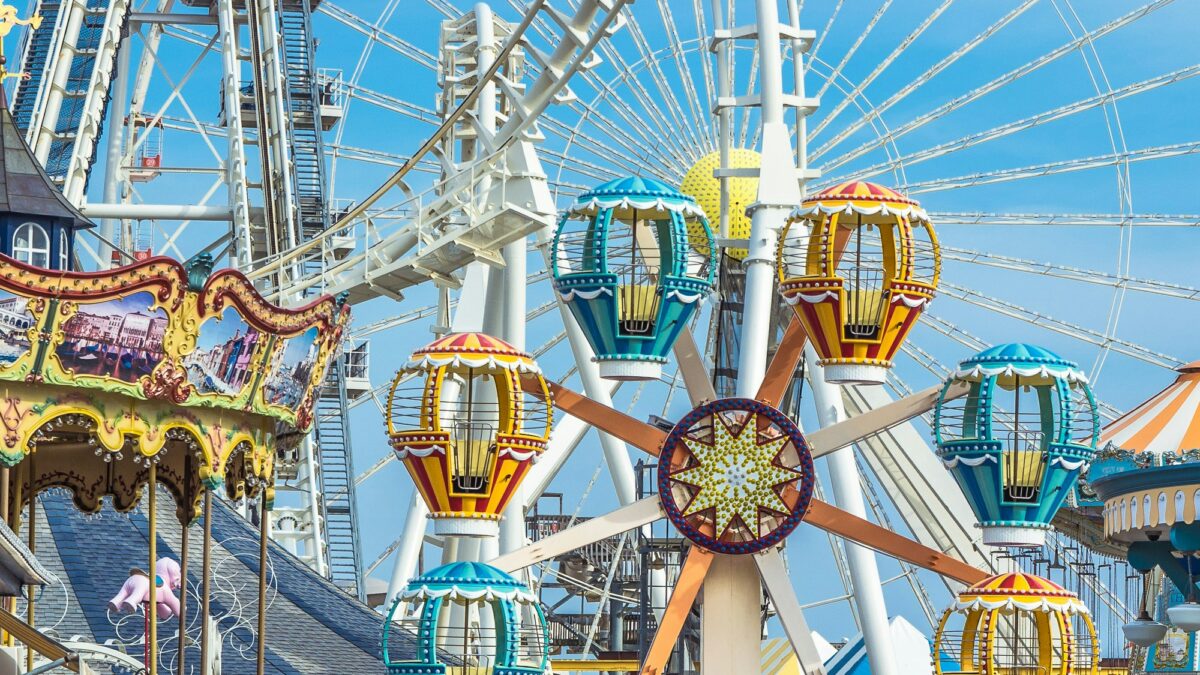
When most people think about entertainment, they think about movies, television, music, or streaming. Yet some of the world’s largest entertainment companies generate billions of dollars annually from a different source: theme parks.
Over the past several decades, theme parks have evolved from simple amusement destinations into immersive entertainment experiences that extend the reach of some of the world’s most valuable brands.
Today, theme parks are a major pillar of the global entertainment industry.
More Than Rides
Modern theme parks are designed to deliver complete experiences rather than individual attractions.
Visitors encounter:
- Immersive storytelling
- Themed environments
- Live entertainment
- Character interactions
- Dining experiences
- Retail opportunities
Every element is designed to keep guests engaged and connected to a larger entertainment brand.
Intellectual Property Drives Attendance
One of the biggest reasons theme parks have become so successful is the power of intellectual property.
Popular movies, television shows, and characters help attract visitors who want to experience their favorite stories in real life.
Entertainment companies increasingly use theme parks to expand the reach of their brands beyond the screen.
Recognizable franchises often become the foundation for major attractions and themed lands.
A Powerful Revenue Stream
Theme parks generate revenue through multiple channels:
- Admission tickets
- Hotels and resorts
- Food and beverages
- Merchandise sales
- Special events
- Premium experiences
This diversified business model helps create significant and recurring income for entertainment companies.
Unlike movies, which may have a limited theatrical run, theme parks can generate revenue year after year.
The Rise Of Immersive Experiences
Today’s guests expect more than traditional rides.
Entertainment companies invest heavily in creating environments that make visitors feel as if they have stepped into another world.
Advances in technology have enabled:
- Interactive attractions
- Advanced animatronics
- Projection mapping
- Virtual experiences
- Personalized guest interactions
Immersion has become a key competitive advantage.
Tourism And Economic Impact
Major theme parks attract millions of visitors annually from around the world.
Their impact extends beyond entertainment.
Theme parks support:
- Hotels
- Restaurants
- Transportation services
- Retail businesses
- Local employment
Many destinations rely heavily on tourism generated by nearby attractions.
Merchandise Becomes Big Business
Theme parks also serve as powerful retail environments.
Guests frequently purchase:
- Apparel
- Collectibles
- Toys
- Souvenirs
- Exclusive products
Merchandise allows visitors to extend their experience long after leaving the park.
For entertainment companies, these sales represent another valuable source of revenue.
Expanding Global Markets
Theme park growth is no longer limited to North America.
Entertainment companies continue investing in international markets where demand for immersive experiences remains strong.
Global expansion allows brands to:
- Reach new audiences
- Strengthen recognition
- Increase revenue opportunities
As entertainment becomes increasingly global, theme parks play an important role in brand development.
Technology Continues To Transform Parks
Future attractions may include:
- Artificial intelligence
- Augmented reality
- Enhanced personalization
- Interactive storytelling
- New forms of immersive entertainment
Technology is helping redefine what a theme park experience can be.
Why Entertainment Companies Love Theme Parks
Few entertainment assets offer the long-term value of a successful theme park.
Parks create:
- Recurring revenue
- Brand loyalty
- Merchandise opportunities
- Tourism demand
- Cross-promotional benefits
They allow entertainment companies to monetize intellectual property in ways that extend far beyond movies and television.
Final Take
Theme parks have become entertainment powerhouses by combining storytelling, technology, tourism, and intellectual property into immersive experiences that attract millions of visitors every year.
As audiences continue seeking memorable experiences rather than simply consuming content, theme parks are likely to remain one of the most important and profitable sectors of the global entertainment industry.
Related ShowBiz Originals:
- The Power Of Entertainment Franchises
- How Entertainment Companies Build Global Brands
- How Blockbuster Movies Became Hollywood’s Biggest Business
- The Business Behind Stadium Tours
ShowBiz Originals delivers exclusive analysis, commentary, and insights covering the business of entertainment, movies, television, music, streaming, gaming, and celebrity culture.