
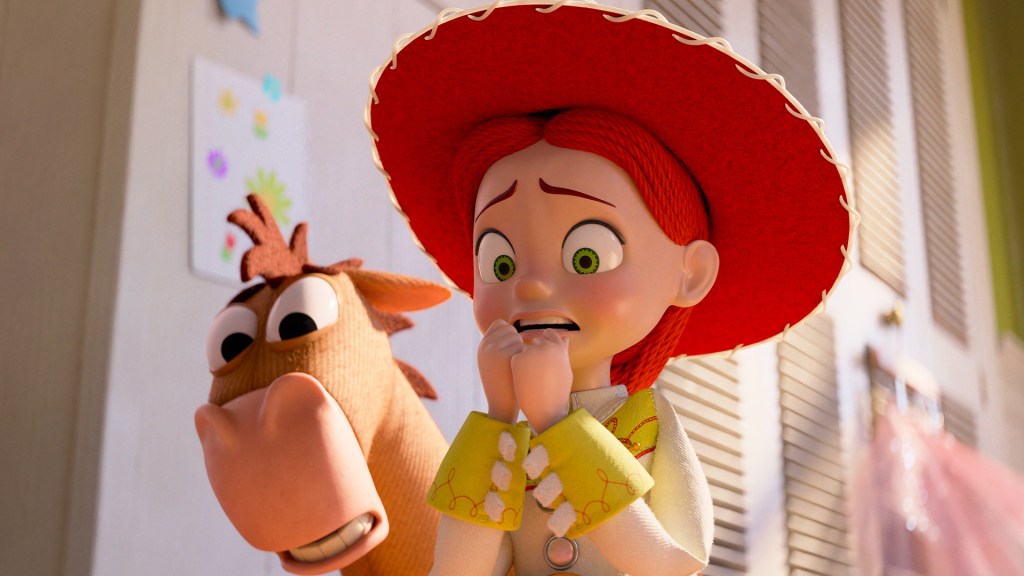
Disney has set an Oct. 7 debut for Toy Story 5 on Disney+, giving Pixar’s latest chapter in the long-running franchise a fall streaming berth after its theatrical run.
The film, directed by Andrew Stanton and co-directed by Kenna Harris, will arrive on the service as one of Disney+’s highest-profile family releases of the season. The streaming date positions the movie squarely in the back-to-school and early holiday viewing corridor, a period when Disney has increasingly leaned on recognizable brands to drive engagement across households.
For Pixar, the move marks another key step in the studio’s ongoing effort to balance theatrical event status with the reality that many family audiences now discover — or revisit — animated films at home. The Toy Story franchise remains one of the most valuable properties in Disney’s animation portfolio, with decades of audience goodwill, merchandising power and multigenerational appeal behind it.
Toy Story 5 continues the series that began in 1995 with Pixar’s first feature film and helped redefine the modern animation business. The original Toy Story was not only a box office breakthrough but a technological milestone, proving that computer animation could sustain feature-length storytelling with emotional sophistication and broad commercial reach.
Stanton’s involvement carries particular weight for Pixar watchers. A longtime creative force at the studio, he has been associated with some of its most defining titles, including Finding Nemo and WALL-E. Harris’ role as co-director also reflects Pixar’s continued emphasis on expanding its directing ranks while pairing emerging leadership with veteran storytellers on marquee projects.
The Disney+ date matters because streaming availability has become a major second act for animated films. Unlike many adult-skewing dramas or action titles, family movies often generate repeat viewings at home, where children rewatch favorites and parents seek reliable programming. That repeatability can help extend a film’s cultural footprint well beyond its box office cycle.
The timing also underscores Disney’s cautious approach to its biggest theatrical brands. After the pandemic accelerated consumer expectations around rapid streaming debuts, studios have worked to reestablish exclusive theatrical windows, particularly for tentpoles. Disney has been among the companies most closely watched on that front, as its streaming service relies heavily on franchises while its studio divisions still need box office strength to justify large production and marketing budgets.
Pixar, in particular, has been navigating a complicated marketplace. The studio’s pandemic-era releases shifted audience habits when several films went directly to Disney+, a strategy that boosted streaming value but arguably blurred the perception of Pixar films as theatrical must-see events. More recently, the company has tried to restore that premium positioning while still using Disney+ as a powerful downstream platform.
That makes the rollout of Toy Story 5 especially notable. The franchise is not merely another sequel; it is a core Disney asset tied to consumer products, theme parks and brand identity. A successful streaming launch can reignite attention across those divisions, from toy aisles to park experiences, while giving Disney+ a major family title at a time when subscriber retention remains a top priority across the streaming sector.
The broader industry context is equally important. Hollywood’s animation business has become increasingly bifurcated, with original films facing a more uncertain theatrical path and established brands drawing stronger audience awareness. Studios from Universal and Illumination to DreamWorks and Sony have leaned on recognizable characters, sequels and franchise extensions as marketing costs rise and parents become more selective about theatrical outings.
Disney is no exception. The company has been candid in recent years about the need to prioritize quality and focus its franchise strategy after a period of rapid expansion in streaming. Returning to Toy Story is both a creative gamble and a commercial calculation: the series carries enormous affection, but each new installment must justify its existence to audiences who already view earlier chapters as emotionally complete.
That challenge has defined the franchise since Toy Story 3 appeared to close the book on Andy’s childhood, only for Toy Story 4 to push the characters into a new emotional terrain. With Toy Story 5, Pixar is again tasked with threading a narrow needle — honoring legacy characters while offering a fresh reason for viewers to return.
The Disney+ arrival should give the film a renewed publicity cycle after its run in theaters and on premium home entertainment platforms. Streaming debuts for major Disney releases often function as second premieres, accompanied by homepage placement, curated collections and cross-promotion with earlier franchise entries. Expect Disney+ to spotlight the full Toy Story library around the launch, giving families an easy path to revisit the series from the beginning.
For Disney, the announcement also helps shape the fall calendar at a time when streaming platforms are competing for family attention against sports, broadcast premieres, gaming and social video. A new Toy Story title gives Disney+ a broadly accessible offering that can cut across age groups in a way few properties can.
What Happens Next
Disney is expected to ramp up its streaming campaign in the weeks ahead with new promotional spots, cast-driven marketing and franchise programming across Disney+. The company will likely use the release to bundle the film with curated Pixar collections and behind-the-scenes extras designed to keep viewers on the platform after the initial watch.
Industry attention will now turn to how strongly Toy Story 5 performs in its home-viewing window. For Pixar, a robust Disney+ debut would reinforce the franchise’s durability and help demonstrate that theatrical success and streaming momentum can still work in tandem. For Disney, it is another test of how effectively its most beloved brands can anchor the next phase of the streaming business.