
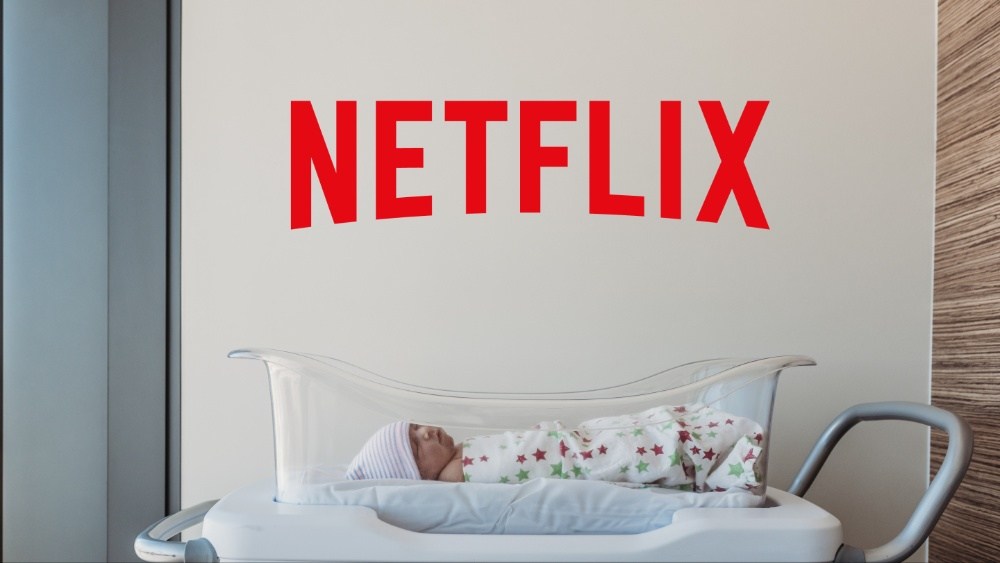
Netflix is moving deeper into high-stakes medical nonfiction with Born in the USA, a new docuseries centered on the daily realities inside a busy maternity ward.
The project, which has been in development over the past several years as producers worked to secure meaningful access to a hospital setting, will follow expectant parents, medical teams and the emotionally charged environment surrounding childbirth. While Netflix has not yet disclosed full production details, the series is being positioned as an observational documentary look at one of the most universal — and unpredictable — corners of health care.
For a streamer that has built a substantial nonfiction brand across true crime, sports, food, celebrity and social-issue programming, a maternity ward series offers a different kind of urgency. Childbirth is inherently dramatic, but the subject also sits at the intersection of family, medicine, class, race, policy and personal choice — themes that can give a hospital-based series broader cultural weight beyond its episodic stories.
The title itself, Born in the USA, signals that the show may be aiming for more than delivery-room emotion. The American maternity experience has become a major public conversation in recent years, with rising attention on maternal health outcomes, access to prenatal care, the pressures on nurses and doctors, and the disparities that shape pregnancy and birth across communities. A documentary series set inside a working ward has the potential to bring those issues into intimate focus through the people living them in real time.
Securing access is often the most complicated part of producing this kind of nonfiction television. Hospitals are among the most sensitive environments for cameras, particularly maternity units, where patient privacy, medical ethics, consent and unpredictable emergencies are all part of the production landscape. The fact that the series has taken years to come together suggests a lengthy process of building trust with medical administrators and designing production protocols that allow storytelling without compromising care.
That access is also what could distinguish the project in an increasingly crowded documentary marketplace. Audiences have seen many glossy medical dramas and reality series built around emergency rooms, elite surgeons or high-profile clinical cases. A maternity ward, however, offers a different emotional rhythm: long hours of waiting punctuated by sudden decisions, joy tempered by risk, and deeply personal family moments unfolding under clinical pressure.
Why It Matters
The series arrives at a time when nonfiction television is becoming one of the most flexible tools in Netflix’s programming strategy. Documentary shows can travel globally, spark conversation quickly and generate strong word-of-mouth without the same financial scale as premium scripted dramas. Medical access series, when handled carefully, can also appeal to multiple audience segments: viewers drawn to real-life human stories, fans of workplace documentaries and those interested in the systems behind major social issues.
For Netflix, Born in the USA also fits a broader push toward programming that feels both intimate and topical. The streamer’s most successful unscripted and documentary offerings often combine personal stakes with larger cultural relevance, whether through sports dynasties, legal cases, celebrity lives or social institutions under pressure. A maternity ward series could deliver the kind of emotional immediacy that keeps viewers engaged while also inviting discussion about the state of health care in America.
The project also speaks to the continuing demand for premium vérité storytelling. In an entertainment economy where audiences are increasingly skeptical of manufactured reality formats, access-driven documentaries have gained value. Viewers want to feel they are seeing something rarely available to the public, and few spaces are more private than the moments before, during and after birth.
Industry Context
Medical documentary programming has long been a durable television genre, from network-era hospital specials to cable docuseries and streaming-era deep dives into institutions and public health. What has changed is the level of cinematic polish and ethical scrutiny expected from such productions. Streamers have raised audience expectations for character-driven nonfiction, while subjects and institutions have become more cautious about how they are represented.
That makes a maternity ward particularly challenging territory. Producers must navigate not only the unpredictability of labor and delivery, but also the vulnerability of patients and families at life-changing moments. The strongest version of a series like this would depend less on sensational outcomes and more on the complexity of the environment: the nurses managing multiple rooms, physicians making urgent calls, partners and relatives absorbing the shock of parenthood, and patients confronting both hope and fear.
There is also a practical reason streamers continue to invest in docuseries built around institutional access. Once a production gains entry to a compelling real-world setting, the storytelling can become naturally episodic. Each birth or patient journey may provide a beginning, middle and end, while the hospital staff offer continuity across the season. That structure can make a series accessible to casual viewers without sacrificing emotional depth.
Netflix has not announced casting, episode count, hospital location or premiere timing for Born in the USA. Those details will be closely watched, particularly because the setting and participants will shape how the series is received. A show focused on a major urban hospital, for example, could carry a different social and medical lens than one set in a smaller regional facility.
The title will also invite scrutiny. In entertainment terms, it is memorable and direct. In cultural terms, it points toward questions of national identity and the conditions into which children are born. If the series leans into that broader frame, it could become more than a hospital documentary — it could function as a portrait of American families at their most vulnerable and hopeful.
What Happens Next
Netflix is expected to reveal additional details about Born in the USA as the project moves closer to release, including the creative team, production partners, format and premiere window. The key question will be how the series balances intimate access with sensitivity to its subjects.
If handled with care, Born in the USA could become a standout entry in Netflix’s nonfiction slate: a real-world drama built not around celebrity or scandal, but around the moment life begins — and the people working every day to make sure it does.