Why This Matters
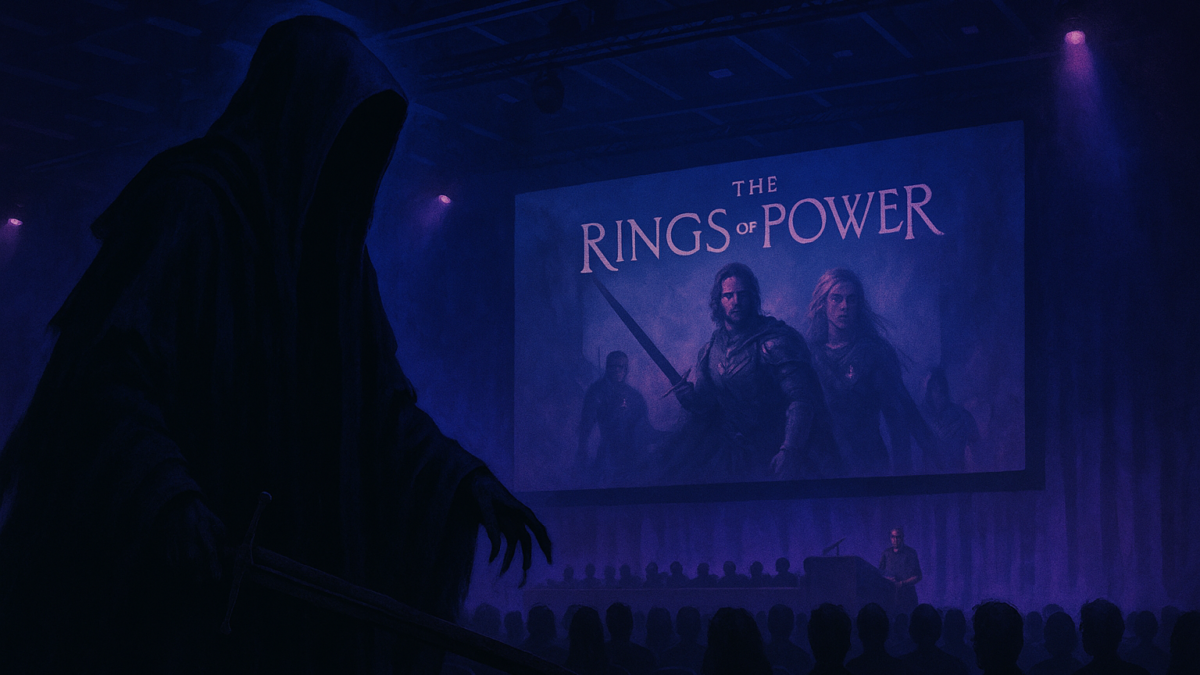
Amazon’s Middle-earth saga used San Diego Comic-Con to signal a darker and more recognizable phase for “The Lord of the Rings: The Rings of Power,” unveiling a new trailer Friday that places the future Nazgul squarely in the path of the series’ sprawling ensemble.
For a show that has carried both enormous expectations and unusual scrutiny since its launch, the move is significant. The Nazgul — later known to generations of readers and filmgoers as the Ringwraiths — are among the most chilling figures in J.R.R. Tolkien’s legendarium. Their arrival, even in nascent form, gives the Prime Video drama a clearer bridge between the Second Age story it has been telling and the better-known mythology of “The Lord of the Rings.”
Series creators J.D. Payne and Patrick McKay indicated that the new season will lean into the emergence of these ominous figures, reframing the stakes for the heroes, rulers and warriors of Middle-earth. The trailer, presented to a packed Comic-Con crowd in San Diego, suggested that the coming episodes will not simply expand the map but tighten the noose around characters whose choices may echo across centuries.
That matters because “The Rings of Power” has always had to operate in two lanes at once. It must satisfy viewers who want the grandeur, language and mythic sweep associated with Tolkien, while also functioning as a character-driven streaming drama for audiences less versed in appendices and timelines. The future Nazgul offer a potentially potent answer to that challenge: they are iconic enough to carry instant dread, yet early enough in their transformation to be explored as tragic, political and psychological figures.
In practical terms, their introduction gives the series a sharper dramatic engine. The show’s first seasons spent considerable time establishing kingdoms, alliances, fractures and the seductive power of ambition. By bringing the eventual Ringwraiths closer to the center, Amazon can turn abstract corruption into embodied menace. Viewers know where this darkness leads, but the series can still build suspense around who falls, why they fall and what is lost along the way.
Industry Context
Few television projects have been watched as closely by the industry as “The Rings of Power.” Widely regarded as the most expensive series ever mounted for television, the fantasy epic represents far more than another entry in the streaming wars. It is a cornerstone investment for Amazon, designed to anchor Prime Video with a globally recognized property at a time when platforms are under pressure to prove that premium franchises can drive both subscribers and cultural conversation.
Comic-Con remains one of the most valuable stages for that kind of recalibration. Hall presentations in San Diego are not just fan-service moments; they are marketing events, perception resets and industry signals. A well-received trailer can alter the narrative around a series months before it returns, especially for a show whose scale invites constant debate over cost, canon and creative direction.
By foregrounding the future Nazgul, Amazon is also emphasizing the parts of Tolkien’s universe with the broadest mainstream recognition. The Ringwraiths were memorably realized in Peter Jackson’s Oscar-winning film trilogy, becoming a shorthand for supernatural pursuit, imperial terror and the dehumanizing pull of evil. Any new interpretation will inevitably be compared to that cinematic legacy, but the television format allows for something the films largely could not offer: an extended origin story.
That origin-focused approach reflects a larger trend in franchise television. Streamers increasingly look for stories that can deepen familiar mythologies without simply remaking the most famous chapters. HBO has done it with “House of the Dragon,” Disney+ has attempted it across “Star Wars” and Marvel, and Netflix has pursued it in fantasy and genre programming with mixed results. The challenge is always the same: make the destination meaningful even when the audience already knows the broad outline.
For “The Rings of Power,” the stakes are particularly delicate. Tolkien’s world has a devoted fan base with strong views about tone, lore and adaptation choices. At the same time, a series of this budget cannot live on the approval of purists alone. It needs broad, repeat engagement across global markets. The Nazgul could help unify those constituencies if the show treats them as more than recognizable villains-in-waiting.
The trailer’s emphasis on looming danger also suggests Amazon understands the appetite for momentum. Fantasy television often succeeds when it can balance court intrigue, battlefield spectacle and moral descent. The Second Age is rich with all three, but it can feel distant from the urgency of the One Ring saga unless the narrative continually reminds viewers that history is hardening into fate. The emergence of the Ringwraiths is one of the clearest ways to make that connection visceral.
What Happens Next?
The immediate next step is a long promotional runway in which Amazon will likely continue to reveal just enough to sharpen speculation without giving away the identities or trajectories of the doomed figures tied to the Nazgul mythology. Expect future teasers, cast interviews and behind-the-scenes materials to lean into the season’s darker tone while keeping the central mystery intact.
Creatively, the new season appears positioned to test the series’ ability to turn mythology into character drama. If the future Nazgul are handled as symbols only, the reveal may feel like franchise machinery. If they are presented as people seduced by power, fear, pride or survival, the show has an opportunity to add tragic dimension to villains long defined by their faceless terror.
The Comic-Con rollout also gives Prime Video a chance to reassert confidence in the franchise. Expensive fantasy television must feel like an event, and the San Diego presentation was designed to remind fans that Amazon is still playing on the largest possible canvas. The trailer’s darker imagery and promise of consequential conflict suggest a season built not merely around spectacle, but around irreversible transformation.
As the campaign continues, attention will turn to how Payne and McKay balance Tolkien’s long shadow with the demands of serialized streaming. The future of Middle-earth on Prime Video may depend less on how many familiar names appear than on whether the series can make ancient history feel immediate, dangerous and emotionally costly.
For now, the message from San Diego is clear: the shadow over Middle-earth is lengthening, and “The Rings of Power” is moving closer to the nightmares fans know are coming.