
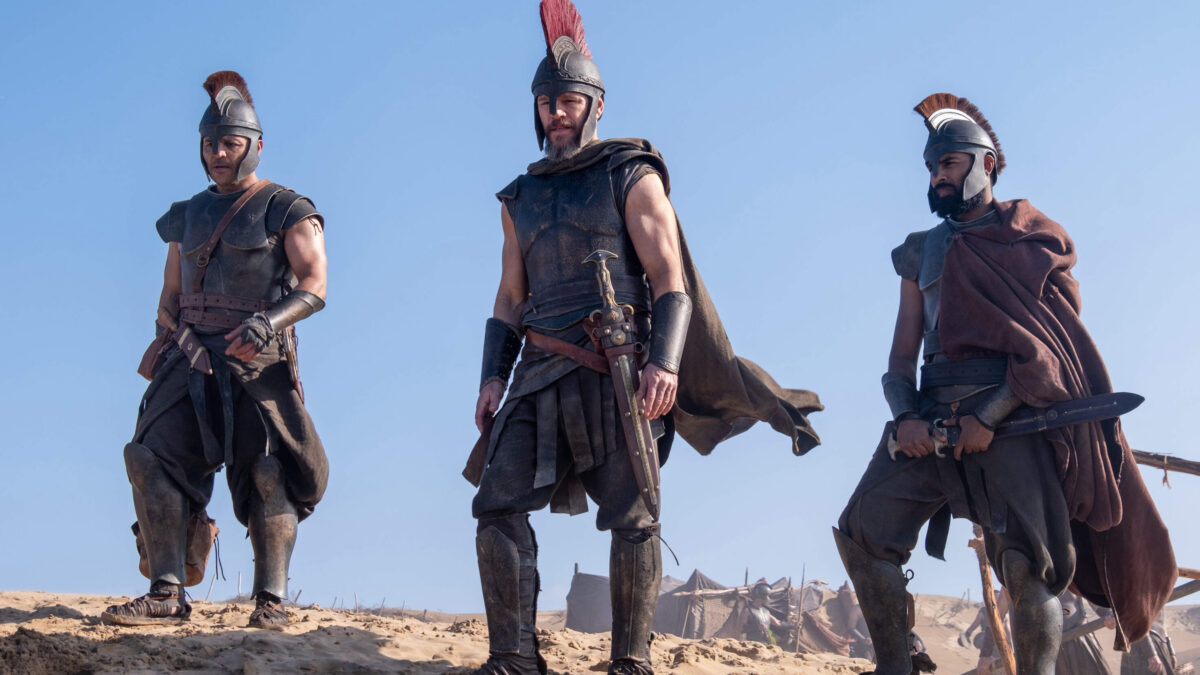
Why This Matters
Christopher Nolan has once again turned a large-scale theatrical gamble into a box office event. His new epic, The Odyssey, opened to an estimated USD 264.1 million worldwide, including USD 124.5 million from North America and USD 139.6 million from international markets, according to early trade tracking. The launch gives Nolan the biggest global opening of his career, surpassing the USD 249 million debut of The Dark Knight Rises in 2012.
That is a significant milestone for a filmmaker who has become one of the few directors whose name alone can move audiences at blockbuster scale. While franchises and familiar brands continue to dominate studio release calendars, Nolan has repeatedly demonstrated that a filmmaker-driven spectacle can still command premium screens, global attention and mainstream moviegoing urgency.
The performance is especially notable because The Odyssey arrived with the kind of theatrical-first positioning that has become increasingly rare. The film’s marketing leaned heavily on scale, craftsmanship and the promise of a communal big-screen experience. Audiences responded in force, particularly in premium formats, where Nolan’s films have historically over-indexed. IMAX and other large-format screens helped turn opening weekend into an event rather than simply a release.
The debut also outpaced Nolan’s Oppenheimer, which became a cultural phenomenon and awards-season juggernaut after its 2023 release. That film proved that adult-skewing, dialogue-heavy historical drama could perform like a tentpole when paired with strong reviews, sharp positioning and a sense of urgency. The Odyssey now expands that argument further, showing that Nolan’s post-Oppenheimer audience has not only held but grown.
For exhibitors, the result is a welcome reminder that the theatrical business can still generate massive turnout when audiences believe a film demands to be seen outside the home. The industry has spent years navigating streaming disruption, shortened theatrical windows, production delays and uneven audience behavior. A debut of this size offers theaters a powerful case study: when the right filmmaker, concept and release strategy align, moviegoing can still feel like a global occasion.
Industry Context
Nolan’s rise as a box office brand has been unusual by modern Hollywood standards. He is associated with recognizable properties, most notably his Batman trilogy, but his career has also been defined by original or filmmaker-led material such as Inception, Interstellar, Dunkirk, Tenet and Oppenheimer. In an era when studios often look to sequels, comic books, video games and legacy IP to reduce risk, Nolan has become his own form of IP.
The Odyssey benefits from a title rooted in one of the most enduring stories in Western literature, but its commercial strength is tied less to brand recognition than to the filmmaker’s reputation for scale and seriousness. Audiences have come to expect that a Nolan release will arrive with technical ambition, dense storytelling and a clear preference for theatrical immersion. That expectation has become a key part of the marketing machine.
The opening also arrives at a moment when studios are reassessing what constitutes a viable global blockbuster. Superhero films are no longer automatic billion-dollar contenders, several franchise entries have underperformed, and the international marketplace has become less predictable. China is no longer a guaranteed windfall for Hollywood releases, while regional tastes have become more localized and competitive. Against that backdrop, a USD 264.1 million global launch stands out as a major show of confidence from audiences across territories.
Domestically, the USD 124.5 million estimate places The Odyssey among the strongest starts for a non-superhero, director-driven release in recent memory. It also speaks to the durability of Nolan’s core fan base, which spans cinephiles, general audiences and younger viewers who discovered his earlier films through streaming and repertory screenings. The filmmaker’s insistence on practical spectacle and large-format presentation has helped create a sense of authenticity that cuts through crowded entertainment options.
Internationally, the USD 139.6 million launch underscores Nolan’s rare global reach. His films have long performed well overseas, where visual scale and high-concept storytelling translate across markets. The subject matter of The Odyssey, with its mythic sweep and universal themes of survival, loyalty and homecoming, likely gave the film additional appeal beyond English-speaking territories.
The comparison to The Dark Knight Rises is also symbolic. That film opened at the height of the superhero boom and carried the weight of a billion-dollar franchise finale. For The Odyssey to move past that number more than a decade later signals a different kind of market power. Nolan is no longer simply the director behind a major franchise; he is the central draw.
What Happens Next?
The immediate question is how well The Odyssey holds after its explosive first weekend. Nolan’s films often benefit from strong word of mouth, repeat viewing and premium-format demand, but the size of this opening means the second weekend will be closely watched. A moderate drop would position the film for a lengthy run, while sustained international momentum could push it toward the upper tier of the year’s global box office.
Awards prospects will also come into focus. Nolan’s post-Oppenheimer standing with the Academy and major guilds gives The Odyssey a built-in prestige profile, though commercial scale does not automatically translate into awards dominance. Craft categories such as cinematography, editing, sound, production design and visual effects are likely to be part of the conversation, with broader categories depending on critical reception and the year-end field.
For studios, the bigger takeaway may be strategic. The success of The Odyssey will likely intensify competition for filmmaker-led event movies, particularly those that can justify exclusive theatrical windows and premium-format commitments. It may also strengthen the hand of top-tier directors seeking creative control, longer runs in theaters and marketing campaigns built around their authorship rather than only cast or concept.
For Nolan, the debut reinforces a career narrative that few contemporary filmmakers can match. He has moved from prestige genre director to global box office institution, and The Odyssey now gives him another benchmark. If the film continues to perform in the weeks ahead, its opening weekend may be remembered not merely as a personal record, but as another reminder that the theatrical experience still has room for ambition on a grand scale.