
Conflicting claims about Hayden Panettiere have turned a sensitive celebrity story into a fast-moving media storm, with unverified reports about the actress spreading online alongside renewed attention to her past comments about child stardom, postpartum depression and substance abuse.
As of publication, ShowBiz.com has not independently verified reports that Panettiere has died, and no official statement has been released by her representatives or family. The absence of clear confirmation has only intensified scrutiny around the actress, whose personal life has often been treated as public property since she first became famous as a child performer.
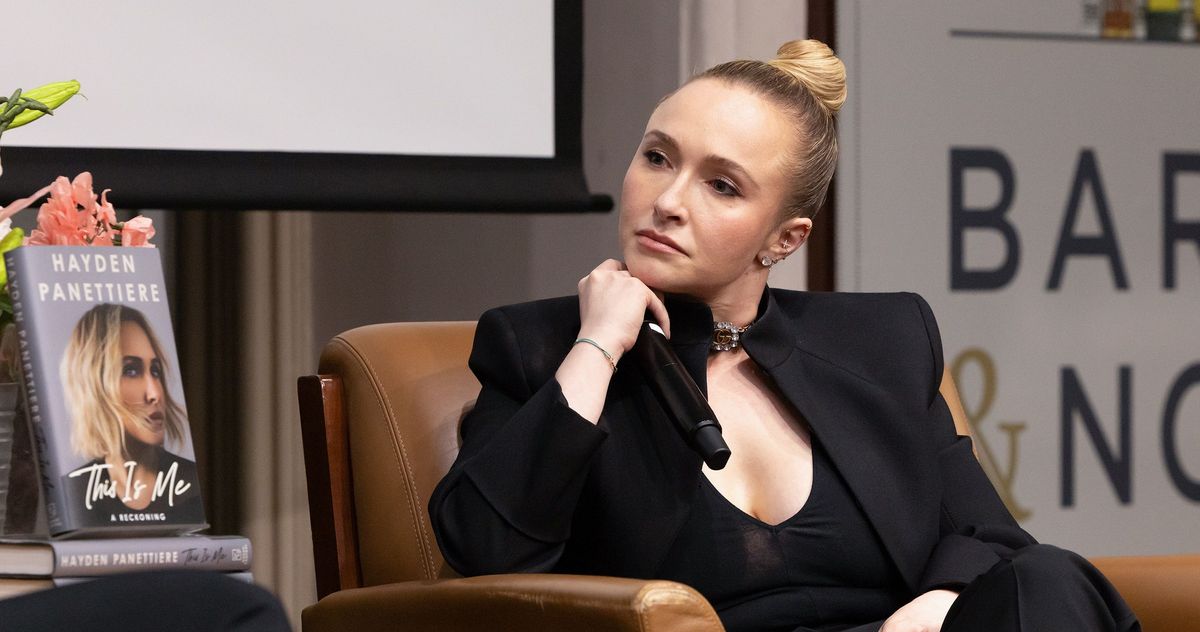
The situation has been complicated further by renewed interest in Panettiere’s career and reported publishing activity tied to a memoir project, This Is Me. Any such release would arrive in a media climate increasingly shaped by celebrity first-person accounts, especially from performers who grew up inside the machinery of film and television. For Panettiere, that context is especially charged.
Long before she was an adult navigating tabloid attention, Panettiere was one of Hollywood’s most recognizable young actors. She appeared in Remember the Titans and Ice Princess, built a fan following with genre audiences through Heroes, and later reached a different audience as Juliette Barnes on ABC’s Nashville. She also joined the modern horror canon with Scream 4, a role that has continued to circulate with younger viewers through streaming and franchise reappraisal.
That range is part of why the current conversation has resonated so widely. Panettiere’s career sits at the intersection of several Hollywood eras: the family-film ecosystem of the early 2000s, the network-television boom, the rise of prestige-adjacent music dramas and the contemporary appetite for legacy horror properties. Few actors of her generation moved between those lanes as visibly.
But Panettiere’s public story has never been only about credits. In interviews over the years, she has spoken candidly about the pressures of growing up in entertainment, her experience with postpartum depression after the birth of her daughter, and struggles with alcohol and drug use. Those disclosures placed her among a group of performers who helped shift the tone of celebrity coverage from glossy image management toward frank conversations about mental health and recovery.
That shift has had real industry consequences. Studios, networks and publishers have increasingly recognized that audiences want more than polished press tours. They want context, accountability and honesty. At the same time, the market for vulnerable celebrity narratives can blur ethical lines, particularly when a performer’s pain becomes part of the promotional cycle.
Panettiere’s case underscores that tension. Her work remains deeply familiar to viewers, but her personal challenges have often been framed through headlines rather than artistic evolution. For fans who discovered her as Claire Bennet in Heroes or followed her as Juliette on Nashville, the renewed attention feels personal. For the entertainment business, it is a reminder of how long the industry has relied on young performers while offering them inconsistent protection once fame becomes destabilizing.
The television side of her legacy is especially significant. Heroes became a defining network phenomenon at a moment when broadcast drama could still command broad cultural attention. Panettiere’s “save the cheerleader” storyline was central to the show’s identity, turning her into a symbol of the series’ early success. Years later, Nashville gave her a more adult role, one that mirrored themes of ambition, fame, addiction and emotional volatility within the music industry.
Those roles have aged in complicated ways. Streaming has given older series extended lives, allowing new audiences to engage with performances outside the moment of their original release. It has also made celebrity history feel unusually present. A viewer can watch Panettiere as a child actor, a superhero-era breakout and a country-music star within a single weekend, collapsing decades of career evolution into an algorithmic queue.
That is part of why unverified reports about her can travel so quickly. She is not a distant figure from one generation’s archive; she is still embedded in multiple fandoms. Horror fans know her from Scream. Network-TV viewers remember Heroes. Music-drama audiences associate her with Nashville. Families may remember her earlier film work. The result is a broad emotional footprint that makes any claim about her instantly combustible.
It also places added responsibility on entertainment media. Reporting on addiction, mental health and possible tragedy requires care, particularly when official confirmation is absent. The rush to publish can cause lasting harm, not only to the subject and their loved ones, but also to readers who trust entertainment journalism to distinguish verified fact from online momentum.
For Hollywood, the larger story is not simply about one actress. It is about the ecosystem that turns young performers into household names, watches them struggle in public, then repackages those struggles as content. Panettiere’s openness has mattered because it challenged a culture that once demanded silence from stars dealing with postpartum depression or substance abuse. If a memoir does move forward, it would likely be read not only as a personal account, but as another entry in the growing record of what fame costs.
What Happens Next
The next step is clarity. Representatives, family members or verified public records will determine how the current reports are treated by responsible outlets. Until then, the entertainment industry is likely to continue revisiting Panettiere’s body of work and the broader questions her career raises about child stardom, recovery and the ethics of celebrity storytelling.
If a memoir tied to Panettiere is formally announced or released, it will face intense scrutiny from fans, publishers and Hollywood observers. More importantly, it will arrive in a climate that is far less willing to separate entertainment from the human cost of making it.