
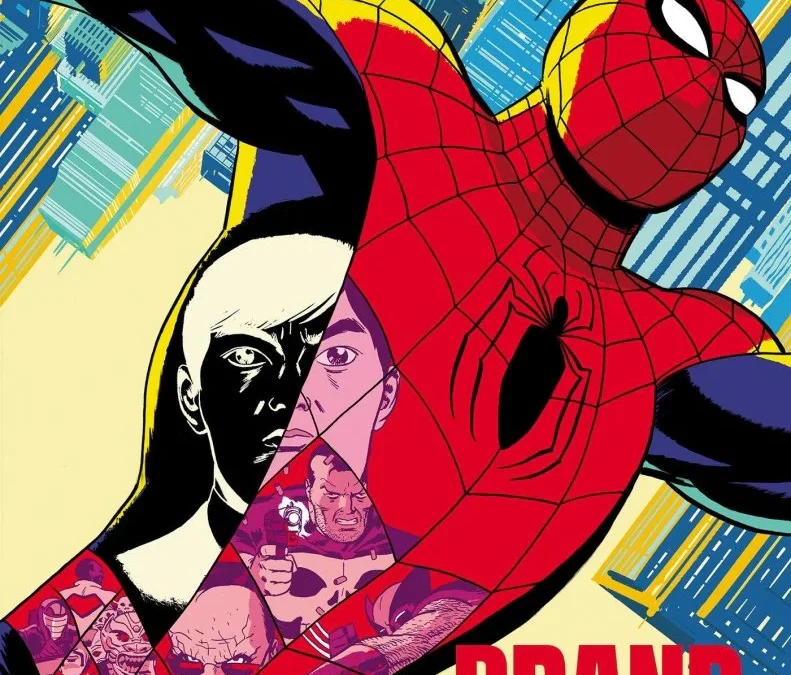
Why This Matters
The domestic box office has a new high-water mark, and it belongs to the friendly neighborhood web-slinger. Updated figures for the United States and Canada put “Spider-Man: Brand New Day” at $360 million for its opening weekend, according to Sony Pictures, lifting the film above its already eye-popping Sunday estimate of $355 million.
That final tally is significant not simply because it is large, but because it reshapes the upper limits of what a modern theatrical release can achieve. The Tom Holland-led Marvel adventure has surpassed Disney’s “Avengers: Endgame,” which had held the domestic opening record since 2019, and in doing so has delivered a powerful reminder that event movies can still create a level of urgency streaming cannot easily replicate.
For Sony, the result is a major validation of its stewardship of one of the most valuable characters in pop culture. The studio’s partnership with Marvel Studios has been one of the defining business arrangements of the superhero era, and this opening gives both companies fresh leverage at a time when the comic book movie marketplace has become less predictable.
The performance also matters because it arrives amid a box office environment that has been defined by volatility. Audiences have shown up in force for select films, but the middle of the market remains under pressure. A $360 million domestic launch does not solve every problem facing theatrical distribution, but it proves that the ceiling remains extraordinarily high when the right character, release date and marketing campaign align.
Holland’s return in the title role appears to have been central to the film’s broad appeal. After multiple appearances across the Marvel universe, the actor has become closely identified with the character for a generation of moviegoers. “Brand New Day” benefited from that familiarity while also being positioned as a fresh chapter, a combination that helped turn anticipation into immediate ticket sales.
Industry Context
The record arrives at a pivotal moment for Marvel and the wider superhero business. For more than a decade, comic book adaptations dominated the global box office, but recent years have brought signs of audience fatigue, uneven critical reception and heightened scrutiny over budgets. Against that backdrop, “Spider-Man: Brand New Day” gives the genre a badly needed jolt of momentum.
Spider-Man has long occupied a unique place in the marketplace. Unlike many superhero properties that rely heavily on interconnected mythology, the character cuts across demographics with unusual ease. Families, longtime comic readers, teenagers and casual moviegoers all recognize the brand. That kind of four-quadrant reach is increasingly rare, and it helps explain why the film could open at a scale usually reserved for once-in-a-decade cinematic events.
The comparison to “Avengers: Endgame” is especially instructive. That film was marketed as the culmination of a sprawling saga and benefited from more than 10 years of narrative buildup. “Brand New Day,” by contrast, appears to have turned a character-specific installment into a comparable must-see event. That is a notable achievement for Sony and Marvel, and it may influence how studios package franchise entries going forward.
The opening also underscores the importance of premium formats and advance ticketing. Although Sony did not immediately break down the weekend by format, record-setting debuts in the current marketplace typically depend on large contributions from Imax, Dolby Cinema and other higher-priced screens. Those tickets can meaningfully lift grosses, particularly when fan demand is concentrated in the first several days of release.
For exhibitors, the weekend is a welcome boost after periods of uncertainty and uneven product flow. Theater owners have repeatedly argued that audiences will return when studios provide films that feel essential on the big screen. “Brand New Day” gives them a persuasive data point, not just because of the dollar figure, but because of the cultural attention surrounding the release.
At the same time, the result will likely intensify the industry’s reliance on established intellectual property. Original films and adult dramas continue to face tougher commercial conditions, while globally recognizable brands dominate the conversation. The challenge for studios will be to avoid drawing the wrong lesson: audiences may still crave spectacle, but they are increasingly selective about which spectacles deserve their time and money.
What Happens Next?
The immediate question is how well “Spider-Man: Brand New Day” holds after its historic launch. Massive openings can sometimes front-load demand, especially for films driven by fan turnout. The second weekend drop will be closely watched by rival studios, exhibitors and analysts looking to determine whether the movie is on track for a record-breaking domestic run or simply an extraordinary debut.
International performance will also be crucial. Spider-Man is one of Hollywood’s most durable global brands, and the film’s worldwide trajectory could determine just how high it ranks among the biggest releases in box office history. Strong overseas numbers would further strengthen Sony’s position and provide Marvel with a broader narrative of renewed theatrical dominance.
Creatively, the debut gives the franchise room to maneuver. A launch of this size virtually ensures that discussions about future installments will accelerate, even if official announcements remain carefully timed. Holland’s long-term involvement will continue to be a major point of interest, as will the evolving relationship between Sony’s Spider-Man universe and Marvel’s larger storytelling plans.
For now, the industry has a clear takeaway: when a beloved character is matched with the right sense of occasion, moviegoing can still become a mass cultural event. “Spider-Man: Brand New Day” has not just opened big; it has reset expectations for what the domestic box office can deliver at the very top end of the market.