
Why This Matters
Sony’s latest comments to investors suggest the next era of PlayStation may not be defined by a box under the television. During a recent Q&A session, executives repeatedly pointed to a strategy that pushes PlayStation “beyond the living room,” language that will only intensify speculation that PlayStation 6 could arrive with a portable component — or perhaps be designed around mobility from the start.
That would mark a meaningful shift for one of entertainment’s most powerful gaming brands. Since the original PlayStation debuted in the mid-1990s, Sony’s console business has been anchored to the home theater experience: premium hardware, blockbuster exclusives, and a living-room presence that turned franchises such as “God of War,” “The Last of Us,” “Spider-Man” and “Gran Turismo” into global entertainment properties.
But the way audiences play has changed. Consumers now move between televisions, phones, tablets, laptops and handheld gaming devices with little patience for platform friction. Sony’s investor remarks, first reported by The Verge, indicate the company is thinking less about a single device and more about a PlayStation ecosystem that can follow players wherever they are.
That matters because console transitions are no longer just hardware launches. They are statements about where a company believes the audience is heading. If Sony is preparing a portable-forward PlayStation 6, it would signal a direct response to the success of Nintendo Switch, the rise of Steam Deck-style handheld PCs and the growing expectation that premium games should not be confined to one screen.
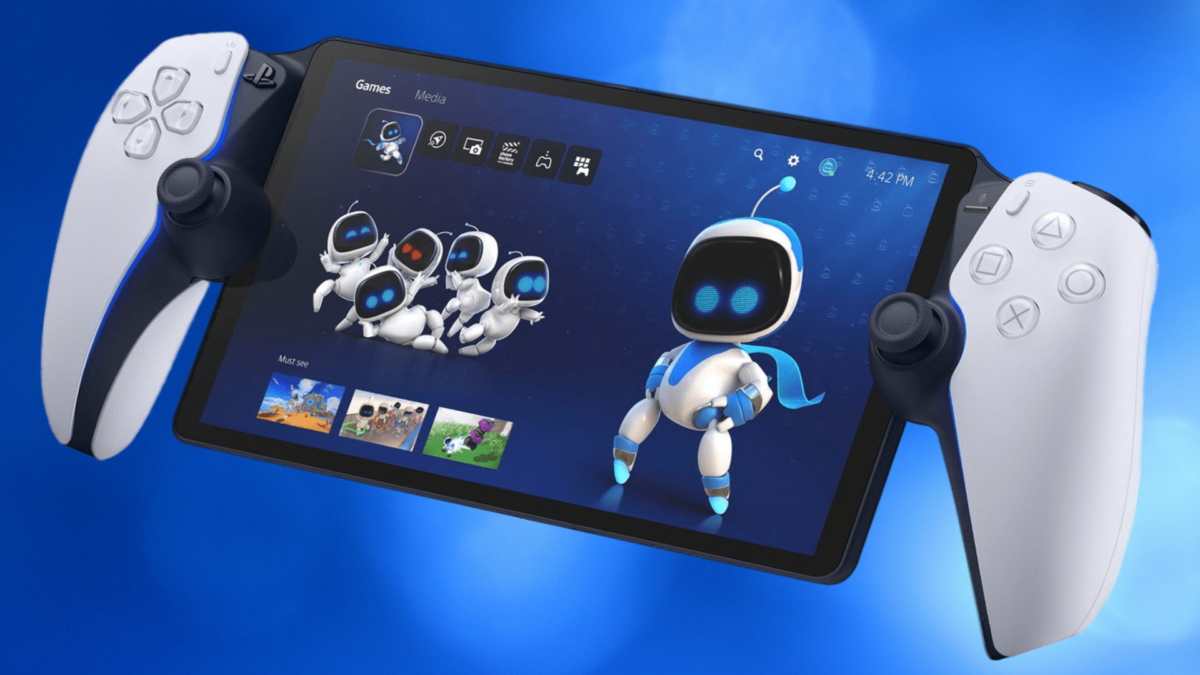
The move would also build on groundwork Sony has already laid. PlayStation Portal, while not a standalone console, tested demand for remote play in a dedicated handheld form. PlayStation’s PC releases have expanded the brand beyond its traditional hardware base. Its cloud streaming ambitions, subscription services and mobile experiments all point toward a company trying to make PlayStation less dependent on a fixed living-room setup.
Industry Context
The gaming business is in a period of reinvention, and every major platform holder is under pressure to define the next cycle on more than raw graphical power. For years, console wars were fought around teraflops, exclusive titles and holiday pricing. Those factors still matter, but they no longer tell the whole story.
Nintendo demonstrated with Switch that flexibility can be as powerful as technical horsepower. The hybrid console became one of the most successful gaming devices ever by allowing players to move between handheld and docked play with minimal disruption. Its successor is widely expected to continue that philosophy, raising the bar for portability at a moment when younger audiences increasingly treat entertainment as mobile by default.
Valve’s Steam Deck and other handheld PCs have also changed expectations among core players. They have shown there is a market for higher-end portable gaming, even when battery life, weight and price remain challenges. These devices have normalized the idea that games once associated with a desktop or console can travel with the user.
For Sony, the opportunity is significant but complicated. A portable PlayStation 6 would need to preserve the brand’s reputation for cinematic, technically ambitious gaming while solving the practical limitations that come with mobile hardware. Battery performance, heat management, screen quality, storage and developer optimization would all become central to the pitch.
There is also the question of business model. Sony has historically relied on selling consoles at scale and monetizing through software, digital storefront revenue, subscriptions and accessories. A portable PS6 could widen the addressable audience, but only if it does not fragment the market or create confusion around what developers are building for.
The timing is especially important as Microsoft continues to reposition Xbox around services, cloud access and availability across devices. While Sony remains the stronger traditional console player, the company is clearly aware that the next phase of competition may not be won solely in the living room. It may be won in transit, on secondary screens and through seamless access to a player’s library.
The entertainment stakes extend beyond games. PlayStation is now a major Hollywood-adjacent brand, with film and television adaptations helping turn its properties into broader pop culture assets. A more portable PlayStation footprint could increase engagement with those franchises, keeping players connected to Sony’s worlds between console sessions, streaming releases and major game launches.
What Happens Next?
Sony has not formally announced PlayStation 6, and its investor comments stop short of confirming specific hardware. The company is still likely years away from a full next-generation rollout, and any portable strategy could take several forms. It might be a hybrid console, a dedicated handheld companion, a cloud-enhanced device or a family of products built around one PlayStation account and library.
The next clues will likely come from Sony’s broader platform decisions rather than a single reveal. Watch for deeper integration between PlayStation consoles, PC, cloud streaming and handheld experiences. Improvements to Remote Play, subscription features and digital ownership policies could all indicate how serious Sony is about making mobility central to the PlayStation brand.
Developers will also be watching closely. If Sony intends to make portability a core part of PS6, studios will need clear technical targets early in the process. The strongest launch strategy would require major first-party games that demonstrate why a portable PlayStation is not merely convenient, but essential.
For now, Sony’s message is directional rather than definitive: PlayStation cannot be perceived as a device locked to one room. Whether that leads to a true portable PS6 or a broader ecosystem built around flexible play, the company is preparing investors — and the industry — for a future in which the most important screen may not be the biggest one in the house.