
Why This Matters
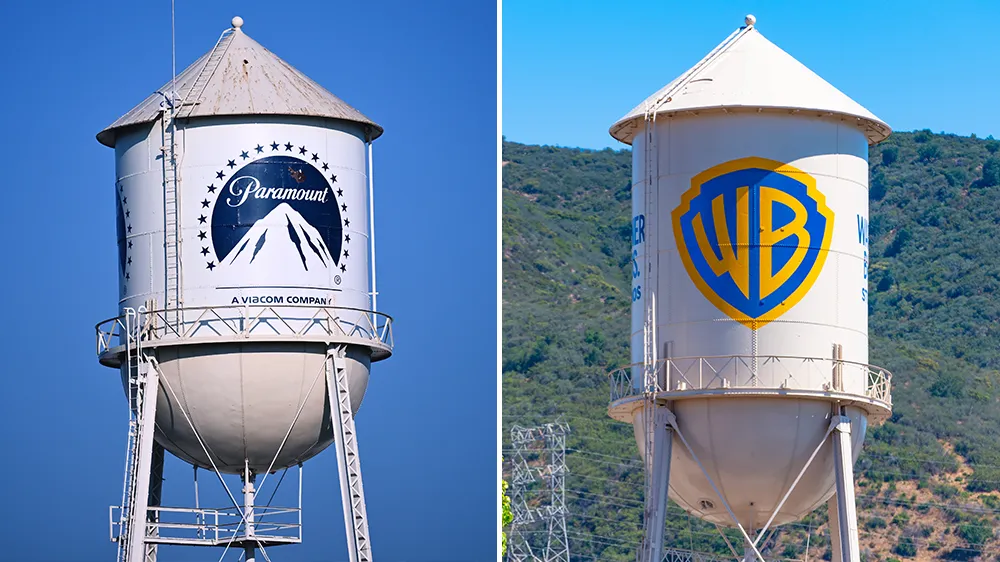
Paramount’s decision to stand down on its planned pursuit of Warner Bros. Discovery marks a significant pause in what would be one of the most consequential entertainment combinations in modern Hollywood. In a federal court filing in California, Paramount said it has agreed not to take steps to complete the $111 billion transaction until June 1, 2027, or until five days after two pending legal challenges are resolved, whichever comes first.
That timeline immediately changes the temperature around a deal that had the potential to reshape the studio system, the streaming business and the balance of power among global media companies. A combination of Paramount and Warner would bring together two of the industry’s most recognizable film and television libraries, as well as major studio operations, cable networks and streaming platforms including Paramount+ and HBO.
For investors, employees, creative partners and competitors, the filing introduces a new period of uncertainty. Transactions of this scale are rarely quick, but a potential delay stretching well into 2027 creates practical questions about strategy, leadership, content spending and deal integration. Companies involved in major mergers often operate in a suspended state, with executives trying to keep day-to-day businesses moving while planning for a future that may or may not arrive.
The stakes are especially high because both companies sit at the center of Hollywood’s transformation. Legacy media groups are trying to manage declining linear television revenue while competing against technology giants with deeper balance sheets and global direct-to-consumer reach. A merger of this size would not simply be a corporate reshuffling; it would be a statement about how traditional entertainment companies believe they can survive the next phase of streaming consolidation.
Industry Context
The proposed combination arrives after years of upheaval across the entertainment landscape. Warner Bros. Discovery itself was formed through a major merger, bringing together WarnerMedia and Discovery in a deal that was pitched as a way to build scale in a streaming-first world. Paramount, meanwhile, has been navigating many of the same pressures affecting its peers: cord-cutting, high programming costs, theatrical volatility and the challenge of converting well-known franchises into sustainable streaming growth.
Scale has become the central word in media boardrooms. Executives argue that larger companies can spread content costs across more platforms, negotiate from a stronger position with distributors, market franchises more efficiently and reduce duplicated corporate expenses. Critics counter that consolidation can narrow the field for creators, reduce competition for talent and leave consumers with fewer independent sources of programming.
A Paramount-Warner combination would be scrutinized not only for its size, but also for the breadth of its assets. The companies collectively control major film franchises, premium television brands, news and entertainment networks, sports-adjacent programming relationships and vast archives of classic and contemporary content. In streaming, the pairing of Paramount+ and HBO-related services would raise questions about branding, pricing, subscriber overlap and the future of standalone platforms.
The legal challenges now holding up the transaction are therefore more than procedural bumps. They are part of a broader debate about how much consolidation regulators and courts are willing to tolerate in an industry already dominated by a handful of global players. While media mergers have long faced antitrust review, the current environment is more complicated because entertainment companies compete not just with each other, but also with Apple, Amazon, Netflix, YouTube and social video platforms for viewers’ time and advertising dollars.
The pause also comes at a delicate moment for labor and creative communities. Hollywood is still adjusting to the aftermath of recent production disruptions, shifting compensation models and continued anxiety over artificial intelligence, residuals and shrinking development pipelines. Any merger that creates overlapping divisions inevitably raises fears of job cuts and fewer buying opportunities, even before the companies publicly outline any integration plans.
From a strategic standpoint, waiting until the legal challenges play out could protect Paramount from taking actions that might later be challenged or unwound. It also gives the court process room to proceed without the companies racing ahead toward a closing. But the trade-off is time, and time can be costly in a business where audience habits, advertising markets and streaming economics continue to change rapidly.
What Happens Next?
The immediate next phase will unfold in court, where the two legal challenges will determine whether the companies can advance toward the proposed acquisition timetable. Under the terms described in the filing, Paramount will not move forward with acquisition steps until June 1, 2027, unless the litigation is resolved sooner, in which case the company could act five days after the cases conclude.
That does not necessarily mean the transaction is dead. Large media deals often face months of legal and regulatory friction before their ultimate fate becomes clear. However, the extended standstill creates a meaningful window in which market conditions could shift. Subscriber trends, advertising revenue, debt markets, political priorities and shareholder sentiment may look very different by the time the litigation reaches a resolution.
Both companies will now be under pressure to show that they can continue operating independently while the deal remains in limbo. For Paramount, that means maintaining momentum around its streaming service, film slate and television operations without the certainty of Warner’s assets eventually coming into the fold. For Warner Bros. Discovery, it means continuing to manage its own portfolio, debt obligations and content strategy while speculation about its future ownership persists.
Competitors are unlikely to wait quietly. Rival studios and streamers may use the delay to lock down talent, pursue their own partnerships or position themselves as stable alternatives for producers wary of merger-related uncertainty. Buyers and sellers across Hollywood will be watching closely for signs that the pause either weakens the deal’s prospects or simply delays a larger consolidation wave that many industry observers still believe is inevitable.
For now, the proposed merger remains a defining “if” rather than a completed transformation. The next major developments are likely to come from the court docket rather than the red carpet, but the outcome could determine the shape of studio Hollywood for years. Until the legal challenges are resolved, Paramount and Warner Bros. Discovery must navigate a future in which the industry is already reacting to a deal that may not be able to move forward for many months.