
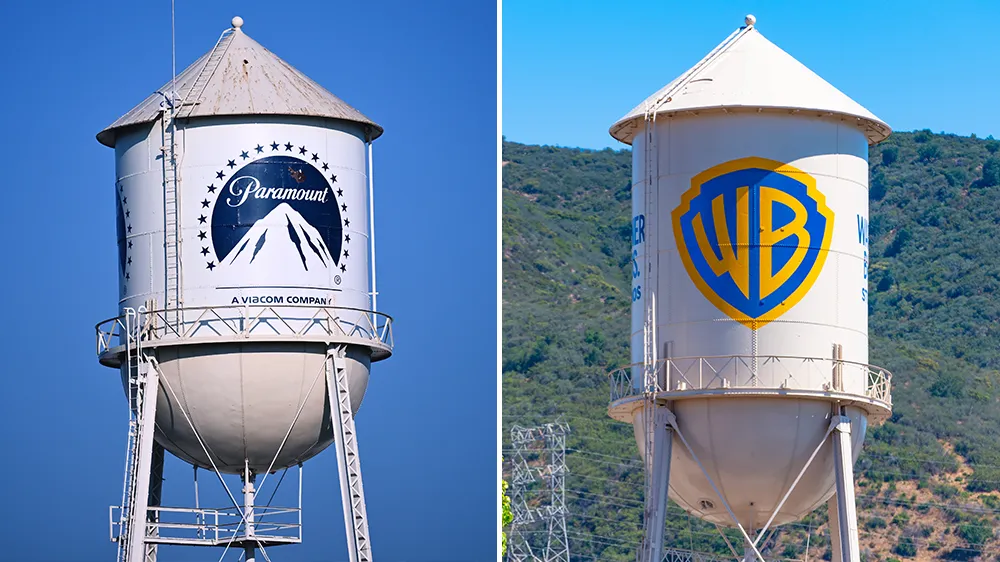
Paramount Skydance is prepared to consider selling CNN if that is what it takes to resolve an antitrust challenge threatening to derail its proposed $111 billion takeover of Warner Bros. Discovery, according to remarks attributed to the company’s top legal executive.
Makan Delrahim, Paramount Skydance’s chief legal officer, told journalists Wednesday at Politico’s California Agenda conference that the company was not ruling out any potential remedy as it seeks to address a lawsuit led by California officials, Reuters reported. That includes a possible divestiture of CNN, the cable news network currently housed inside Warner Bros. Discovery.
The comment marks a notable shift in tone around one of the most closely watched media transactions in years. While companies pursuing major mergers often signal a willingness to negotiate with regulators, publicly acknowledging that a marquee asset could be sold underscores the legal and political pressure surrounding the deal.
Paramount Skydance’s proposed acquisition of Warner Bros. Discovery would unite two of Hollywood’s most recognizable studios and a sprawling portfolio of television networks, streaming services and news assets. The transaction would reshape the entertainment landscape at a moment when legacy media companies are racing to gain scale against Netflix, Amazon, Apple and YouTube.
But the combination has drawn scrutiny from state officials and competition watchdogs concerned about concentration in film, television, streaming and news distribution. The California-led lawsuit is seeking to block the takeover, arguing that the deal could reduce competition and give the merged company too much control over content pipelines and consumer access.
Delrahim’s remarks suggest Paramount Skydance is looking for a path that keeps the broader Warner Bros. Discovery deal alive, even if that means carving out one of Warner’s highest-profile and most politically sensitive businesses.
Why CNN Is Central to the Fight
CNN occupies an unusual place in the Warner Bros. Discovery portfolio. It is not just another cable network; it is a global news brand with significant influence, long-standing carriage relationships and a prominent role in political coverage. Any change in ownership would draw attention not only from antitrust regulators but also from lawmakers, advocacy groups and media watchdogs.
For Paramount Skydance, a CNN sale could serve as a clean and visible concession. Antitrust settlements often turn on divestitures designed to preserve competition in markets where regulators see overlap or excessive leverage. By offering to shed CNN, the company could argue that it is willing to remove a sensitive asset from the merged entity while preserving the strategic logic of combining studios, libraries and streaming operations.
Still, selling CNN would be far from simple. The cable news business is under pressure from cord-cutting, declining linear TV audiences and a difficult advertising market. CNN also carries significant brand value, international reach and institutional weight. Finding a buyer with the capital, regulatory clearance and editorial credibility to take over the network would likely be complicated.
Potential acquirers would face their own political and competitive questions. A sale to another major media company could spark new antitrust concerns. A sale to a billionaire investor, private equity firm or technology company would raise questions about editorial independence and long-term investment in journalism. In the current environment, ownership of a major news organization is rarely just a business matter.
A Deal That Could Redraw Hollywood
The stakes extend well beyond CNN. A Paramount Skydance-Warner Bros. Discovery combination would bring together the Paramount film and television operations, CBS, Nickelodeon, MTV and Pluto TV with Warner Bros., HBO, Max, Discovery, TNT Sports and other major entertainment brands. The merged company would own one of the deepest content libraries in the business and command enormous leverage in negotiations with distributors, advertisers and talent.
That scale is precisely why the deal is attractive — and precisely why regulators are watching closely. Traditional studios have spent the past several years trying to adapt to a marketplace in which streaming has changed consumer habits while weakening the old cable bundle that helped finance Hollywood for decades. Consolidation has become a recurring answer to those pressures.
Disney absorbed 21st Century Fox assets. WarnerMedia merged with Discovery. Amazon bought MGM. Now, Paramount Skydance is attempting a further wave of consolidation that could leave fewer major players controlling a larger share of premium entertainment, sports rights and news distribution.
Supporters of such combinations argue that legacy media companies need more scale to compete with tech giants whose balance sheets dwarf those of traditional studios. Critics counter that bigger media conglomerates can lead to fewer buyers for creative projects, less diversity in programming and more power over consumers and distributors.
The California lawsuit places those concerns squarely in front of the deal. Even if Paramount Skydance is willing to negotiate, state-led antitrust actions can be difficult to resolve quickly, particularly when a transaction carries political significance and involves news media.
Delrahim’s role adds another layer of significance. A former head of the Justice Department’s antitrust division, he is deeply familiar with the mechanics of merger review and regulatory settlements. His comments indicate the company is thinking in terms of remedies, not simply courtroom defense.
Whether that is enough to satisfy opponents of the deal remains unclear. A CNN divestiture may address some concerns, but regulators could also examine studio concentration, streaming market power, sports programming and the impact on pay-TV distributors. One asset sale may not resolve every objection.
For Hollywood, the case is a bellwether. If Paramount Skydance can push the Warner Bros. Discovery acquisition through with targeted concessions, it may encourage further dealmaking across the sector. If regulators succeed in blocking the transaction, the ruling could chill other consolidation attempts and force legacy media companies to pursue smaller, more incremental strategies.
What Happens Next
Paramount Skydance is expected to continue discussions with regulators and state officials while preparing its legal defense against the California-led challenge. Any formal proposal to sell CNN would likely require detailed commitments, a credible buyer and assurances that the divestiture would preserve competition and editorial independence.
The immediate question is whether the willingness to put CNN on the table changes the temperature of the lawsuit. If regulators view the offer as meaningful, settlement talks could accelerate. If they see broader competitive problems in the Warner Bros. Discovery takeover, the dispute may move deeper into litigation.
For now, the fate of one of television’s best-known news brands has become tied to the future structure of Hollywood itself.