
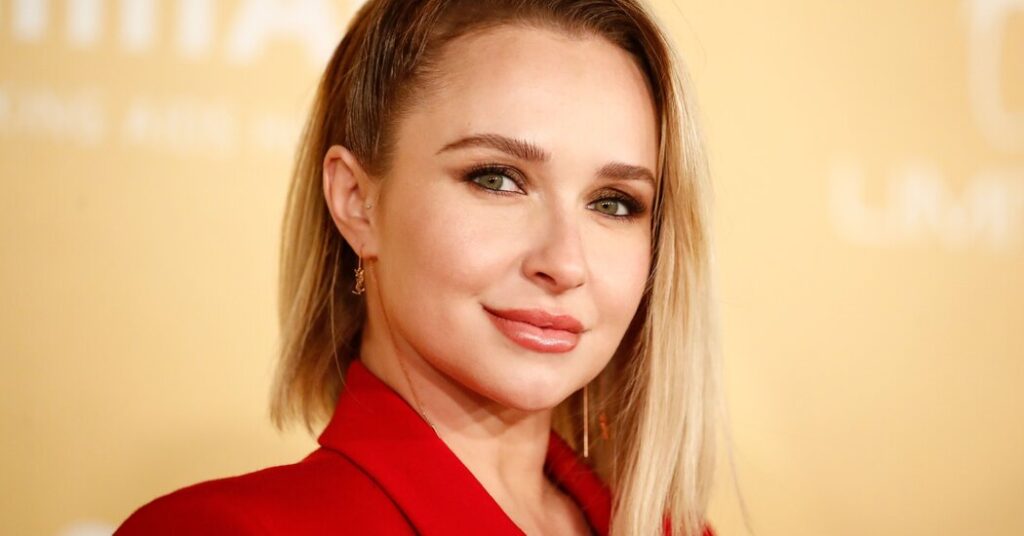
Neutrogena is addressing renewed scrutiny of its former relationship with Hayden Panettiere after the actress’ past comments about the end of her longtime beauty contract resurfaced across social media and entertainment forums.
In a statement issued amid the renewed discussion, the skin care company said it has “great respect” for Panettiere and declined to discuss the specifics of an individual talent agreement. The brand added that mental health “deserves compassion, seriousness and privacy,” and said its ambassador partnerships have historically changed for a range of business and marketing reasons.
The response comes after fans revisited remarks Panettiere made about her time as one of Neutrogena’s most recognizable celebrity faces. The actress, who rose from child performer to prime-time star with roles in Heroes, Nashville and the Scream franchise, has said publicly that she was surprised when the brand relationship ended after she disclosed in 2015 that she was seeking treatment for postpartum depression.
Panettiere’s comments have taken on new urgency in online conversation because they sit at the intersection of celebrity branding, mental health disclosure and the expectations placed on women in the public eye. The discussion has also been complicated by inaccurate social media posts that have circulated in recent days; Panettiere is alive, and some of the confusion appears to stem from public interest in her family following the 2023 death of her younger brother, actor and artist Jansen Panettiere.
For Neutrogena, the matter reopens a sensitive chapter from an era when beauty brands relied heavily on actresses to project an image of polish, stability and aspirational wellness. Panettiere’s campaign work with the company spanned roughly a decade, a notable run in an advertising category where ambassador deals are often refreshed quickly to match shifting demographics, product lines and media trends.
But Panettiere’s version of events has resonated because of timing. In interviews, she has described her postpartum depression as a deeply destabilizing period and has said that speaking publicly about it carried personal and professional consequences. Her willingness to discuss treatment was widely praised at the time by mental health advocates, particularly because postpartum depression was still under-discussed in mainstream celebrity media.
The actress gave birth to her daughter in 2014 and later said she entered treatment in 2015. Her openness helped broaden a conversation that had too often been framed through tabloid language rather than medical understanding. In the years since, major stars including Chrissy Teigen, Adele, Serena Williams and others have spoken more candidly about postpartum depression, anxiety and the pressures of new motherhood.
That broader cultural shift is part of why the resurfaced Neutrogena story matters. What might once have been viewed simply as a brand moving on from an ambassador is now being examined through a different lens: how companies respond when the celebrity image they purchased collides with the human realities of illness, recovery and vulnerability.
Celebrity endorsement deals are rarely as simple as they appear from the outside. Contracts can include morality clauses, exclusivity terms, renewal windows, usage rights and performance benchmarks. Brands also regularly reassess their rosters when campaigns change direction or when corporate ownership and marketing priorities shift. Still, in the court of public opinion, timing can be as powerful as contract language.
Neutrogena has long positioned itself as a mainstream beauty brand with a roster of approachable but high-profile ambassadors. Over the years, its campaigns have featured names such as Jennifer Garner, Kerry Washington and Gabrielle Union, blending Hollywood visibility with a message of accessible skin care. Panettiere fit that model during a period when she was moving between youthful stardom and adult television success.
Her remarks about the end of the partnership now land in a media environment far more skeptical of corporate image management. Audiences increasingly expect brands to align public messaging with private conduct, particularly when a company’s identity touches wellness, self-care or women’s health. A statement of support for mental health, while standard in 2026 corporate communications, is likely to be measured against the specific experience Panettiere has described.
Representatives for Panettiere did not immediately comment on the renewed discussion. The actress has continued to work in film and television in recent years, including returning to the Scream franchise as Kirby Reed, a role that has deep affection among horror fans. She has also spoken with notable candor about grief, addiction recovery, motherhood and the toll of growing up in the entertainment industry.
The renewed attention also underscores how celebrity narratives can reemerge years later with new meaning. A decade ago, Panettiere’s disclosure about postpartum depression was largely treated as a personal revelation. Today, it is also being viewed as part of a larger industry reckoning over how performers are expected to remain marketable while navigating pain in public.
For advertisers, the lesson is clear: audiences remember not only the campaign but the values implied by the relationship. When a star’s public vulnerability becomes part of the story, silence or ambiguity from a corporate partner can linger long after the contract ends.
What Happens Next
Neutrogena’s statement may not close the conversation, especially if Panettiere chooses to elaborate on her experience in a future interview. For now, the brand appears intent on expressing respect without revisiting contract details, while fans and industry observers continue to debate what responsibility companies have to the public figures who help build their image.
The larger question is likely to outlast this particular partnership: in an era when celebrities are encouraged to be authentic, will brands stand by them when that authenticity includes struggle?