
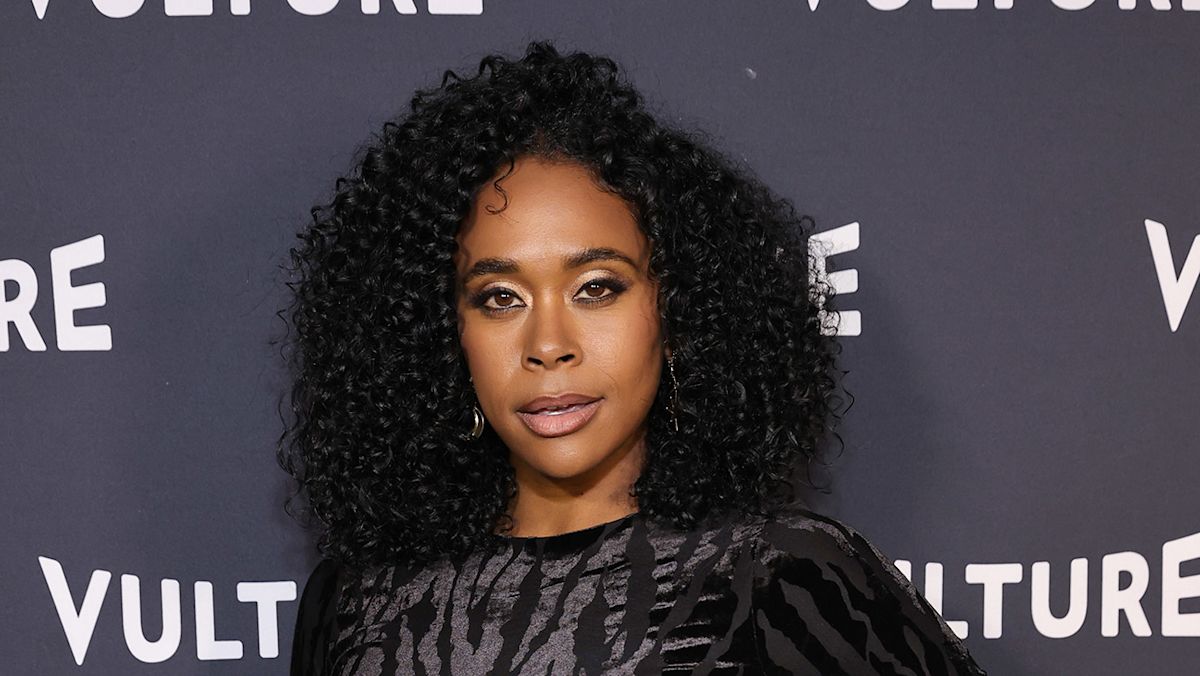
Raquel Lee, a former child actress who appeared in the 2001 Disney Channel original movie The Poof Point, has accused Disney of negligence in a new court filing that alleges she was repeatedly raped and sexually assaulted by a studio worker during production.
Lee says she was 14 years old at the time of filming when, according to the complaint, a “middle-aged, male employee who was involved in the filming of the movie” groomed her and then assaulted her on multiple occasions. The filing does not publicly identify the alleged perpetrator by name, but claims the abuse began in his room at a hotel connected to the production.
The allegations have not been tested in court, and the unnamed individual accused in the filing has not been publicly identified. The complaint frames the case around Disney’s alleged failure to protect a minor performer in its care during a company-backed production, rather than only the conduct of the alleged abuser.
That distinction is central to the legal and industry significance of the case. Lee’s filing contends that Disney had a responsibility to maintain a safe working environment for a child actor and to prevent adults connected to the production from gaining inappropriate access to minors. The suit alleges the company was negligent in its supervision, safeguards and oversight during the making of the film.
The Poof Point aired as part of Disney Channel’s early-2000s slate of original movies, a period when the network was aggressively building a family-friendly brand around young performers and high-concept programming aimed at children and teens. The movie starred Tahj Mowry and Dawnn Lewis and was part of the network’s broader push to turn Disney Channel originals into appointment viewing for young audiences.
Lee was part of a generation of child performers who worked through a production system that often placed minors on sets, in hotels and on location for long hours under the supervision of parents, guardians, tutors, managers and studio personnel. While child labor laws and studio policies have long required protections for minors, allegations such as Lee’s raise questions about how those rules functioned in practice, particularly away from the set itself.
Why the Filing Matters
The entertainment industry has faced years of scrutiny over the treatment of young performers, with survivors and advocates arguing that fame, career pressure and adult-dominated workplaces can make children especially vulnerable. In productions involving minors, the chain of responsibility is often complex: studios, production companies, crew members, parents, guardians, teachers and child welfare workers may all be present, but accountability can become diffuse.
Lee’s allegations arrive as Hollywood continues to reassess past workplace conduct through a modern lens shaped by the #MeToo movement, expanded conversations about child safety and a broader willingness by former performers to speak publicly about experiences they say were ignored or minimized when they were young.
The case also underscores a continuing challenge for legacy media companies: allegations tied to older productions can carry present-day reputational and legal consequences. Disney has built one of the most valuable family-entertainment brands in the world, and its identity has long been linked to trust, safety and children’s programming. Claims involving alleged abuse of a minor performer therefore strike at a particularly sensitive part of the company’s public image.
For survivors of alleged abuse in entertainment workplaces, civil litigation can serve several purposes beyond financial damages. Lawsuits can seek records, compel testimony, identify what supervisors knew or should have known, and examine whether policies existed and were enforced. In cases involving productions from decades ago, discovery may become a crucial battleground, as lawyers attempt to reconstruct staffing, lodging arrangements, reporting structures and any prior complaints or warning signs.
Industry Context
In recent years, studios and networks have strengthened protocols around minors, including background checks, stricter access rules, intimacy and safety guidelines, mandatory reporting obligations and more formalized production oversight. Yet the effectiveness of those safeguards depends on enforcement and on whether young performers feel empowered to report concerns without fear of retaliation, disbelief or career damage.
Child actors occupy a unique position in Hollywood. They are employees, but they are also children navigating adult professional environments that can include travel, isolation from peers and intense pressure to be agreeable. That imbalance has fueled calls for independent advocates on sets, clearer hotel and travel policies, and stronger barriers limiting unsupervised access between adult workers and minors.
Lee’s suit is likely to be closely watched by entertainment attorneys, child-safety advocates and former young performers because it may test how courts evaluate studio responsibility for alleged misconduct that occurred during an older production. The absence of the alleged perpetrator’s name in the public filing may also focus early proceedings on Disney’s role, the identity and employment status of the worker, and what systems were in place during filming.
As with any civil complaint, Disney will have an opportunity to respond in court. The company may dispute the allegations, challenge the legal basis of the negligence claim or argue over the scope of responsibility for individuals working on or around the production. No determination of liability has been made.
What Happens Next
The case will move into its next phase as Disney responds to the filing and the court considers procedural issues, including whether the claims can proceed and what discovery may be allowed. If the suit advances, Lee’s attorneys could seek production records, personnel information, travel and lodging documents, and testimony from people involved with The Poof Point.
Whatever the legal outcome, the allegations are likely to renew discussion about how Hollywood protects minors, particularly on family-oriented projects built around young talent. For Disney and the wider industry, the filing is another reminder that child-safety policies are judged not only by what exists on paper, but by what happens when vulnerable performers are placed in the care of powerful institutions.