
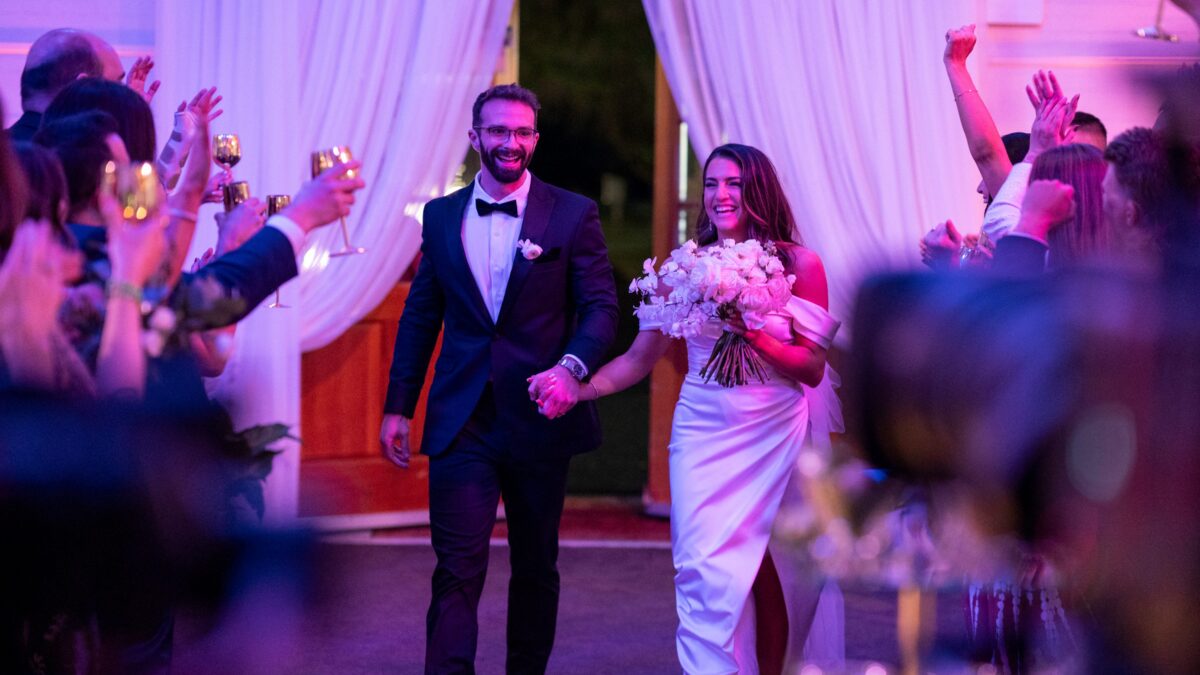
The Love Is Blind couples who make it to their televised wedding day face the show’s defining decision: say “I do” or walk away in front of their families, friends and Netflix viewers. But one potentially stressful part of the occasion is handled before anyone reaches the altar.
Netflix pays for the wedding ceremonies rather than requiring the couples to cover the standard production costs themselves. That support comes with firm limits, however, as the weddings are created from a set pool of money and on an unusually compressed schedule.
Couples can help shape the celebration’s look and atmosphere, but the production team must translate those preferences into a workable event within the show’s budget, timeline and guest-count restrictions.
How the televised weddings come together
Wedding planner Slomique Hawrylo has said that couples complete a questionnaire detailing their preferred theme, likes, dislikes and overall vision. Those choices can include broad styles such as “traditional” or “boho,” as well as favored colors and other personal touches.
“What I’m doing is looking at what they write on a piece of paper, and getting the feelings and emotions from that,” Hawrylo told Netflix’s Tudum. “It’s capturing their style, what they want, a certain color.”
Turning those answers into multiple camera-ready ceremonies requires a sizable operation. Between 35 and 40 people work on the weddings, and the team may have to stage several in a single week, depending on how many couples reach that point in a season.
The planners hire local vendors and organize the food, flowers, cakes and other familiar wedding components. The difference is the pace: all of those details must be coordinated under a much tighter deadline than would typically apply to a non-televised event.
A shared budget — and some major expenses
The show provides one pool of money for five weddings, with Hawrylo responsible for determining how it is distributed. A total figure for that pool was not disclosed in the supplied reporting, but the individual expenses can be substantial.
For Season 4, Tudum reported that flowers cost between $50,000 and $60,000, while tents accounted for $120,000. Those numbers help explain why the production places limits on other elements of the celebrations.
Each couple is permitted to invite between 80 and 100 people. Larger guest lists would put additional pressure on the available budget.
Netflix’s coverage also does not mean every possible request is included. Brides and grooms can choose to pay for upgrades or highly specific additions that the show will not fund. Examples include photographers whose fees fall outside the budget, particular nail artists and personalized details such as monograms.
Those customized elements can also be difficult for the production team to execute in the limited planning window. Love Is Blind creator Chris Coelen confirmed that participants may add extras at their own expense.
“If there’s anything over and above what we would normally do, then [the couples] are most certainly welcome to do that,” Coelen told Newsweek.
The result is a hybrid arrangement: the show supplies and finances the core ceremony, while the couples retain some creative input and may personally cover requests that exceed the established package.
ShowBiz Take
The wedding episodes may revolve around one intensely personal answer, but the events surrounding that moment are carefully managed productions. The shared budget, guest limits and 35-to-40-person planning team show the scale of the work required to stage several ceremonies within days of one another.
That structure also matters because it defines how much control the couples actually have. Their preferred mood, colors and theme can influence the design, but cost and time determine how far those choices can go. Personalization is possible; unlimited customization is not.
Season 11 ultimately produced just one “I do,” despite the work involved in bringing multiple couples to their ceremonies. That contrast remains central to the format: the production can arrange the venue, vendors, flowers, cake and guest seating, but it cannot guarantee the answer delivered at the altar.