
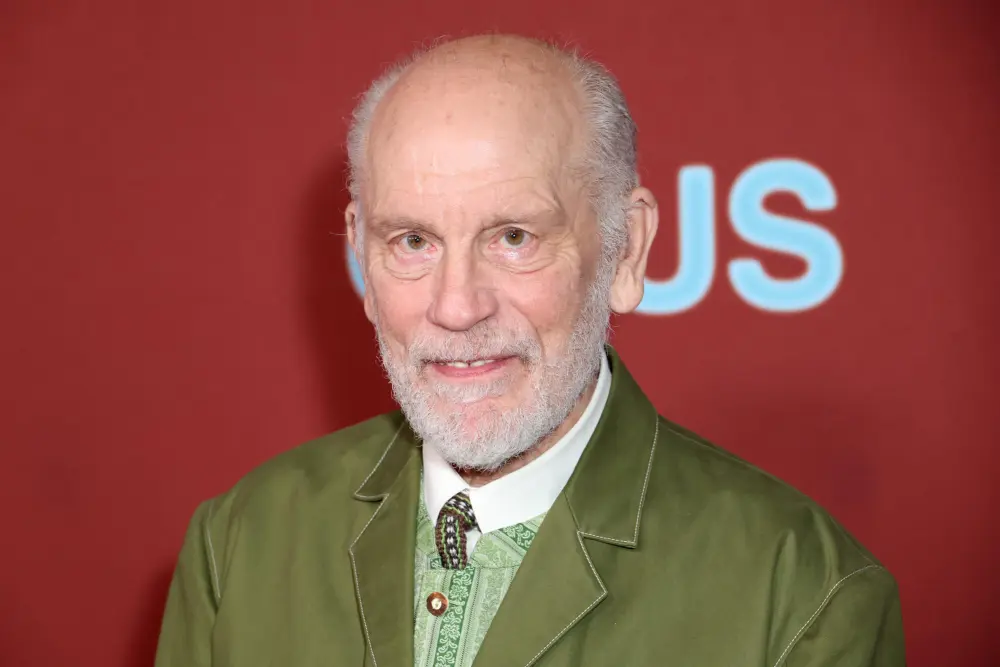
John Malkovich has withdrawn from a planned Tel Aviv performance of “The Music Critic,” saying a quote attributed to him in publicity for the engagement was never made, approved or cleared by him.
The actor said he learned of an article in The Hollywood Reporter, first published in The Jerusalem Post, that announced a Tel Aviv, Israel, date for the touring production. The performance had been scheduled for April 13, 2027, at the Charles Bronfman Auditorium before Malkovich decided to pull out.
In a statement, Malkovich described “The Music Critic” as one of the “numerous classical music collaborations and live theatre performances” he has toured in for nearly two decades. He said he has performed the piece in 47 countries “at last count,” and that the Tel Aviv appearance was intended to be one stop among several across Europe and the Middle East.
The issue, Malkovich said, was not simply the announcement of the date, but the publication of remarks presented as his own.
“A PR company hired by the Israeli promoter drafted a quote for the article that was attributed to me, though I never made the statements that were quoted, nor was I consulted before they were printed,” Malkovich said. “I did not utter these phrases, and they most certainly are not approved by me, nor do they reflect my feelings. The fact that they were printed as direct quotes from me is unacceptable and untenable. For this reason, I have decided I cannot participate in the Tel Aviv performance.”
The Jerusalem Post posts correction
The Jerusalem Post has since added a correction to the original story, according to the source material. In that correction, the publication said that “Alon Yurick, the show’s Israeli producer, clarified that the original press release contained an incorrect quote resulting from a misunderstanding and apologized for the error.” The outlet has also removed the fabricated Malkovich quote.
“The Music Critic” was created and conceived by violinist and composer Aleksey Igudesman.
Malkovich’s statement also addressed the broader meaning that can be attached to international performances. He said that appearing in a country “does not constitute approval of said country’s policies, nor actions, nor its elected or unelected leaders.”
He added that his performances should not be read as condoning or signaling “solidarity” with any political cause, “nor with the killing of innocents, nor with any acts of terrorism, nor any other kind of barbarity.”
The actor framed his touring work as part of a long-running artistic practice that has taken him to countries with governments, values and cultures he does not necessarily share. In his statement, he said performing in places where views of the world may differ from his own has offered opportunities “to observe and to listen and learn” while sharing his ideas about storytelling, music and the ways they can “illuminate the human condition.”
Malkovich also argued that art and performance can serve a larger purpose in difficult circumstances. “Generally speaking, I believe that we need more culture and more beauty in more places, not less,” he said. “Art, at its best, reminds us that the exercise of our shared humanity can and should be a tool to bridge our conflicts and our griefs, our grievances and our sorrows, and that the exercise of artistic freedom is often the greatest form of protest against savagery.”
Still, he made clear that the dispute over the attributed quote crossed a line. “I look forward to continuing to exercise my artistic freedom, come what may,” he said. “However, only playwrights, novelists and screenwriters can put words in my mouth, and even then, only in the service of storytelling, and no one else should think they can do that without my consent and without the resultant consequences.”
With Malkovich now out of the Tel Aviv performance, the source material does not establish what will happen next with that specific date.