
Production is beginning this week on Néstor, a feature documentary exploring the life, artistry and political convictions of Spanish cinematographer Néstor Almendros.
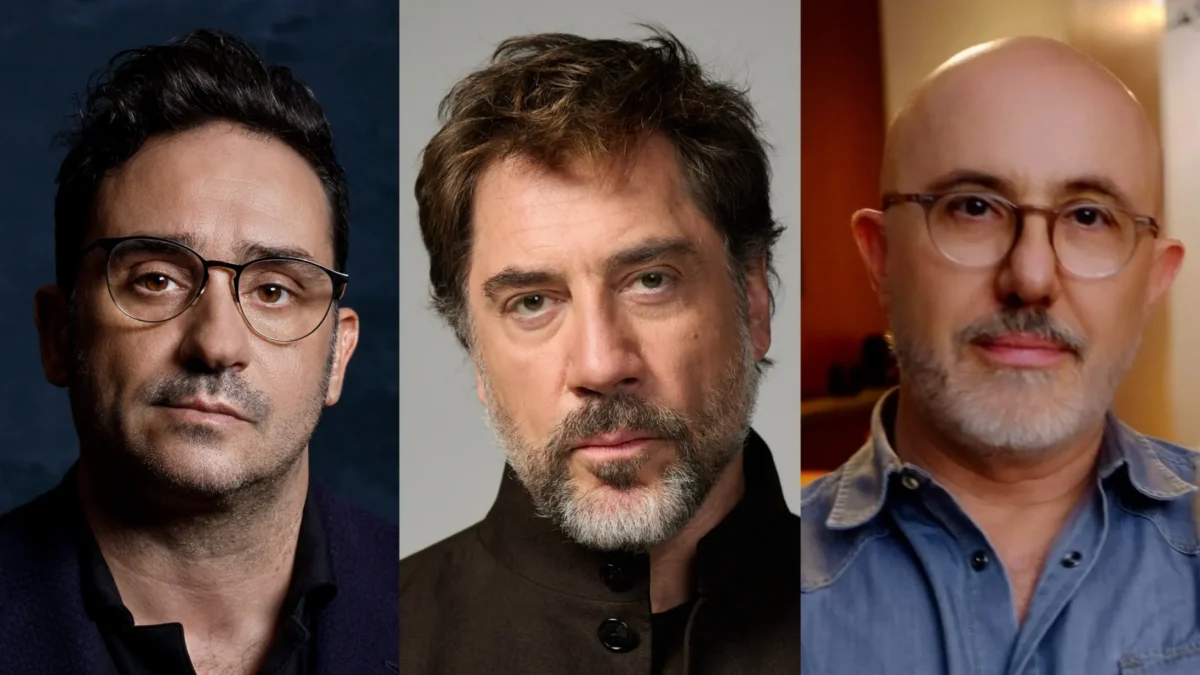
Oscar winner Javier Bardem will narrate the Spanish-American co-production, performing words written by Almendros during his lifetime. J.A. Bayona is among the film’s producers, joining director and producer Laurent Bouzereau, Belén Atienza, Markus Keith and Óscar Romagosa.
Bouzereau, whose documentary credits include Natalie Wood: What Remains Behind, JAWS@50: The Definitive Inside Story and Faye, will direct. Esteve Riambau and Josep Maria Civit wrote the documentary, with Civit also serving as its cinematographer. The production has support from the ICAA and Movistar +.
Filming is scheduled to unfold over several months across Barcelona, Paris, London, New York and Cuba. Each location played a key part in Almendros’s life, giving the filmmakers a geographical route through both his personal history and his work.
A Life Shaped by Cinema, Exile and Repression
Born in Barcelona in 1930, Almendros grew up against the backdrop of the Spanish Civil War and Franco’s dictatorship, which forced his family into exile in Cuba. He later lived through the Cuban revolution and was subjected to homosexual persecution under Castro’s regime.
Almendros eventually moved to Paris, where he found artistic freedom and became one of the major cinematographers associated with the Nouvelle Vague. His career included longstanding collaborations with filmmakers François Truffaut, Éric Rohmer and Robert Benton.
His work also extended to prominent Hollywood productions. His credits as director of photography included Kramer vs. Kramer, The Blue Lagoon and Terrence Malick’s Days of Heaven. Almendros received the 1978 Academy Award for Best Cinematography for Days of Heaven, becoming the first Spaniard to win an Oscar.
He died in New York in 1992 from AIDS.
According to the documentary’s synopsis, Néstor will seek to restore attention to both sides of its subject: the artist who helped transform cinematic language and the individual who defended freedom while confronting the repressive forces of his era.
The Filmmakers on Almendros’s Legacy
Bayona described Almendros as an influence whose quiet public character concealed both creative distinction and personal bravery.
“Néstor has been a profound source of inspiration,” Bayona said in a statement. “Behind his discreet personality there was an exceptional artist who changed the way we understand light, but also a man of great courage, committed to politics and the defence of LGBTI+ rights.”
Bouzereau, meanwhile, emphasized how Almendros’s story brings together artistic achievement and the political and personal struggles that shaped his life.
“Néstor Almendros stands at the crossroads of politics, cinema, and identity,” the director said. “As a director, it is an honor to tell the timeless and inspiring story of a humanistic artist who did everything with a camera.”
ShowBiz Take
Néstor matters because its focus extends beyond a survey of celebrated cinematography. Almendros’s Oscar-winning work and collaborations provide the documentary with a major film-history foundation, but the confirmed scope also places his career within experiences of exile, political repression, identity and advocacy for freedom.
Bardem’s role gives the project a particularly direct storytelling device: Rather than simply narrating Almendros’s history from a distance, he will voice the cinematographer’s own written words. Combined with production in cities and countries central to Almendros’s life, that approach positions the documentary to connect his images with the circumstances in which he lived and worked.
What Happens Next?
With production starting this week, the filmmakers will spend the coming months working across Barcelona, Paris, London, New York and Cuba. No release date or distribution plan has been confirmed in the supplied information.