
Why This Matters
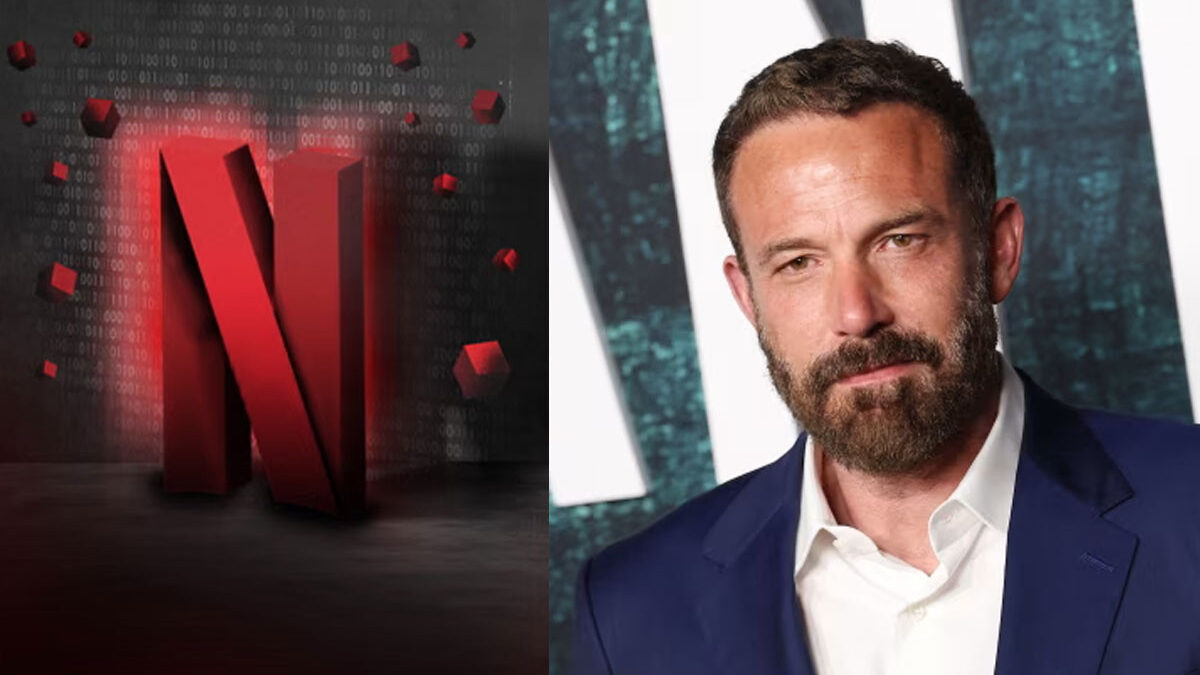
Netflix’s purchase of InterPositive, the AI startup associated with Ben Affleck, has moved from industry whisper to hard number: the streamer paid $587 million in cash, according to a recent SEC filing cited by The Hollywood Reporter. That figure lands just shy of earlier reports that valued the company at as much as $600 million, confirming that this was not a speculative tuck-in acquisition but one of Netflix’s more eye-catching technology bets.
The transaction is significant because it sits at the intersection of three forces currently reshaping Hollywood: celebrity-led entrepreneurship, artificial intelligence and the streaming industry’s search for more efficient production models. Affleck has spent the last several years expanding his profile beyond acting and directing, positioning himself as a producer and business operator with a sharper interest in how entertainment is financed, packaged and delivered. With InterPositive, that ambition appears to have extended into the technological infrastructure behind modern content creation.
For Netflix, the price tag signals a willingness to spend heavily on tools that may help streamline its vast global operation. The company releases programming across languages, territories and formats at a volume unmatched by most traditional studios. Any technology that can improve development, production planning, postproduction, localization, marketing or content analysis has potential value at Netflix’s scale. A $587 million cash payment suggests the streamer sees InterPositive as more than a novelty attached to a famous name.
The deal also arrives at a sensitive moment for the entertainment industry. AI remains one of Hollywood’s most contested subjects, particularly after labor negotiations placed the use of generative tools under intense scrutiny. Writers, actors, directors, editors and below-the-line workers have raised concerns about consent, compensation and the possibility of human labor being displaced by automation. Against that backdrop, a major streamer buying an AI company tied to an A-list filmmaker and actor is bound to attract attention far beyond Wall Street.
That is why the number matters. It turns what might have sounded like another celebrity startup story into a major strategic acquisition. In an industry where companies often speak cautiously about AI in public, Netflix has now disclosed a cash commitment large enough to suggest real operational plans. The filing does not necessarily reveal how the technology will be deployed, but it does confirm that Netflix is investing at a level that could influence how other studios evaluate similar tools.
Industry Context
Netflix has long treated technology as central to its entertainment identity. Unlike legacy studios that evolved from film lots, television networks or theatrical distribution, Netflix was built as a software company before becoming a dominant global producer and buyer of content. Its recommendation engine, data systems and streaming infrastructure have always been part of its competitive advantage. The InterPositive acquisition fits into that broader pattern: Netflix often looks for ways to own or control the systems that shape how content reaches audiences.
The company has also made selective acquisitions outside traditional film and television libraries. In recent years, it has bought gaming studios, animation assets and production-related companies, reflecting a broader strategy to secure capabilities rather than simply license finished programming. In that sense, acquiring an AI startup is not entirely out of character. What makes this deal stand out is the size of the payment and the Hollywood profile attached to it.
Affleck’s involvement gives the story a different texture from a routine Silicon Valley transaction. Stars have increasingly become founders, investors and operators, using their cultural capital to build companies that sit adjacent to entertainment. Some focus on spirits, consumer brands or production banners. Others, like this case, point toward the machinery of media itself. The success of such ventures can change how talent thinks about leverage: not merely negotiating fees or backend participation, but owning tools that studios may need.
For Netflix’s competitors, the acquisition will likely be read as another sign that the streaming wars have moved beyond subscriber counts and content volume. The next phase is about efficiency, personalization and global scale. Studios are under pressure to spend less while making programming that travels farther. AI tools, if handled responsibly, could theoretically help with everything from audience modeling to visual workflows to versioning content for different markets. The challenge is doing so without triggering creative backlash or violating labor agreements.
Hollywood remains deeply divided on that point. Guild contracts now include protections around AI, but the technology is advancing faster than many contractual frameworks can anticipate. Studios and streamers are trying to understand where AI can be used as an assistive tool rather than a replacement for creative labor. Every major deployment will be watched closely by unions, talent representatives and filmmakers. Netflix’s acquisition therefore carries reputational stakes as well as financial ones.
There is also an investor angle. Netflix has spent the last few years emphasizing profitability, advertising growth, password-sharing monetization and disciplined content investment. A nearly $600 million cash deal invites questions about return on investment. Shareholders will want to know whether InterPositive helps lower costs, accelerates production or creates proprietary advantages that rivals cannot easily copy. The company may not provide a detailed roadmap immediately, but the disclosure ensures the acquisition will be discussed in future earnings conversations.
What Happens Next?
The immediate question is how Netflix integrates InterPositive into its broader operation. The streamer could keep the company functioning as a specialized internal unit, fold its technology into existing production and data teams, or use it selectively on certain projects before expanding its reach. Because AI remains such a charged subject, Netflix is likely to move carefully in how it describes the acquisition publicly.
Affleck’s role going forward will also be watched. If he remains creatively or strategically connected to the technology, the deal could deepen his standing as one of Hollywood’s more business-minded A-listers. If the acquisition is primarily an exit, it still represents a striking payday and a validation of the growing overlap between talent and tech entrepreneurship.
For the wider industry, the transaction may accelerate a wave of similar conversations. Studios, streamers and production companies that have been quietly testing AI tools may now face greater pressure to identify which technologies are worth owning outright. At the same time, unions and creative workers will be looking for transparency about how those tools affect jobs, credits and compensation.
Netflix has not simply bought a startup; it has placed a sizable bet on the future architecture of entertainment production. Whether that bet becomes a competitive advantage or a flashpoint in Hollywood’s AI debate will depend on what the company does with InterPositive next.