
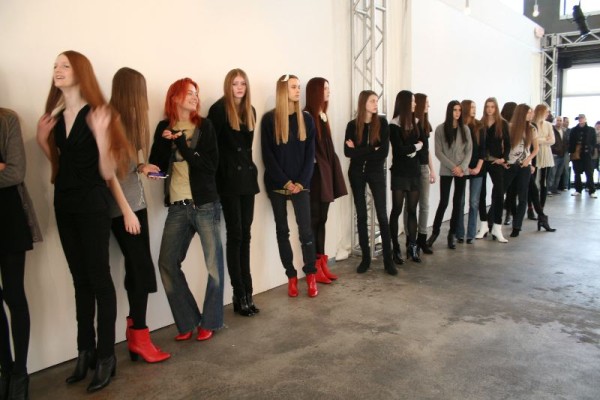
When most people think about professional modeling, they picture runway shows, magazine covers, and glamorous advertising campaigns.
But behind those images is a complicated industry involving agencies, casting directors, photographers, designers, brands, stylists, and production teams.
For models, building a successful career requires much more than simply looking good in front of a camera.
Modeling Is a Business
Professional models are hired to help companies present clothing, beauty products, accessories, and other products to consumers.
Different jobs require different types of models.
The industry includes:
- Runway modeling
- Editorial fashion
- Commercial advertising
- Beauty campaigns
- E-commerce
- Fitness
- Swimwear
- Fit modeling
- Promotional work
A model who is perfect for a high-fashion runway may not be the right choice for a commercial advertising campaign.
Modeling Agencies Help Build Careers
Agencies play an important role in the professional modeling industry.
They represent models, introduce them to clients, arrange castings, negotiate bookings, and help develop their careers.
For new models, an agency may help create:
- Professional photographs
- A modeling portfolio
- Digital photographs
- Comp cards
- Runway skills
- Industry contacts
Strong agencies focus on building careers rather than simply finding one job.
How Models Get Discovered
There is no single way to become a professional model.
Some models submit photographs directly to agencies.
Others attend open calls, participate in model searches, or are discovered by professional scouts.
Social media has also become an important discovery tool.
Being noticed, however, is only the beginning.
Models still need professionalism, reliability, confidence, and the ability to work effectively with clients and creative teams.
What Happens at a Casting?
Before booking many jobs, models attend castings.
A designer, brand, photographer, or casting director evaluates potential models and determines who best fits the project.
Models may be asked to:
- Walk a runway
- Pose for photographs
- Show their portfolio
- Try on clothing
- Record a short video
Some castings now happen entirely online through digital photographs and video submissions.
The Client Makes the Final Choice
A modeling agency can recommend a model for a job, but the client usually makes the final selection.
The decision may depend on:
- The creative concept
- Clothing size
- Brand image
- Availability
- Location
- Budget
- Previous experience
Models may attend many castings before receiving a booking.
Rejection is a normal part of the industry.
Runway Shows Require Extensive Preparation
Fashion shows may last only a few minutes, but preparing them can take days.
Models attend castings and fittings before designers determine who will wear each outfit.
Before the show begins, teams coordinate:
- Clothing
- Shoes
- Accessories
- Hair
- Makeup
- Runway order
Models must know exactly when to enter the runway, how to present the clothing, and where to move backstage.
Advertising Campaigns Work Differently
Commercial modeling often focuses on selling products.
Models may appear in advertisements for:
- Clothing
- Cosmetics
- Jewelry
- Cars
- Travel companies
- Retailers
- Technology products
These photographs can appear on websites, billboards, magazines, social media, and store displays.
Because advertising images may be used for months or even years, contracts often determine where and how a model’s image can be used.
How Much Do Models Get Paid?
There is no single standard modeling salary.
Pay can vary dramatically depending on the type of assignment, client, market, model’s experience, length of the job, and how the finished images will be used.
A model may be paid:
- An hourly rate
- A day rate
- A flat booking fee
- A campaign fee
- Usage or licensing fees
Commercial advertising work can sometimes pay substantially more than editorial fashion work because the photographs are being used to promote products.
A prestigious editorial shoot, on the other hand, may be valuable because it strengthens a model’s portfolio and creates future opportunities even if the immediate payment is lower.
Models Can Be Paid for Image Usage
One of the most important parts of modeling compensation is something audiences rarely hear about: usage.
A model can be paid for the time spent working on a photo shoot, but a client may also need permission to use those photographs commercially.
The value of that usage can depend on:
- Where the images appear
- How long they will be used
- Which countries or territories are included
- Whether the campaign appears in print, digital, television, or outdoor advertising
- Whether the model is restricted from working for competing brands
A campaign used worldwide for several years can therefore be worth considerably more than photographs used for a short local promotion.
Some contracts include a broad “buyout” covering extensive use of the images rather than separate payments for each type of usage.
This makes the rights attached to a modeling job just as important as the initial booking fee.
Agencies Usually Receive a Commission
When an agency books work for a model, the agency generally receives compensation for representing the talent and negotiating the assignment.
The model’s agreement with the agency determines how commissions, fees, and expenses are handled.
Depending on the agreement, expenses related to portfolio development, travel, promotional materials, or other services may also be deducted from earnings.
Models therefore need to understand not only the amount a job pays, but what deductions may apply before they receive their final payment.
What Modeling Contracts Cover
Contracts are an important part of professional modeling.
An agency representation agreement may establish the relationship between the model and the agency.
It can address issues such as:
- Length of representation
- Agency commissions
- Expenses
- Geographic territory
- Exclusivity
- Termination terms
Models may also encounter agreements connected to individual bookings and advertising campaigns.
Those agreements can determine:
- Payment
- Working hours
- Usage rights
- Length of image usage
- Geographic territory
- Exclusivity
- Cancellation terms
- Travel and expenses
- Payment schedules
These details matter because a photograph can continue generating commercial value long after the actual photo shoot is finished.
Image Rights Can Affect Future Work
A contract may also limit whether a model can work for a competing company.
For example, a model appearing in a major beauty campaign might be restricted from appearing in advertising for another beauty brand during a particular period.
That exclusivity can affect future earning opportunities.
Models and their representatives therefore have to consider not only what one job pays today, but what rights the model may be giving up during the life of the agreement.
Modern contracts may also address digital alteration, artificial intelligence, and other uses of a model’s image or likeness.
Understanding those rights is becoming an increasingly important part of the business.
Social Media Has Changed Modeling
Social media has transformed the industry.
Models can now build audiences of their own and communicate directly with brands, photographers, and fans.
A strong online following may create opportunities involving:
- Sponsored posts
- Brand partnerships
- Fashion collaborations
- Beauty campaigns
- Ambassador programs
The line between professional model, influencer, and content creator has become increasingly blurred.
Modeling Can Lead to Other Careers
Many successful models eventually expand beyond traditional modeling.
Some move into:
- Acting
- Television
- Fashion design
- Beauty businesses
- Influencer marketing
- Entrepreneurship
A modeling career can become an entry point into the broader entertainment and fashion industries.
The Glamour Is Only Part of the Job
The finished photographs may look glamorous, but professional modeling also involves hard work.
Models may deal with:
- Early call times
- Long production days
- Constant travel
- Repeated castings
- Wardrobe fittings
- Changing schedules
- Competition
Professionalism is extremely important.
Models must work effectively with photographers, designers, stylists, hair and makeup teams, and clients.
Behind Every Fashion Image
When consumers see a model in an advertisement, magazine, fashion show, or online store, they are seeing the final result of an entire industry working behind the scenes.
Agencies develop talent.
Casting directors find the right people.
Designers and brands establish the creative direction.
Photographers, stylists, makeup artists, and production teams create the finished image.
Behind those images are also contracts, negotiations, licensing agreements, and payment arrangements that determine how models earn money from their work.
Modeling may be one of fashion’s most visible careers, but the business behind it is largely invisible.
Understanding that process reveals what professional modeling really is: a combination of talent, representation, creativity, contracts, business, and collaboration.
Related ShowBiz Originals
- Why Talent Agencies Still Run Hollywood
- The Business Of Celebrity Endorsements
- How Celebrity Brands Became Billion-Dollar Businesses
- How Influencers Are Becoming Media Companies
- The Rise Of Celebrity-Owned Brands
About ShowBiz Originals
ShowBiz Originals delivers exclusive analysis, commentary, and insights covering the business of entertainment across film, television, music, theatre, modeling, gaming, fashion, and live events.