
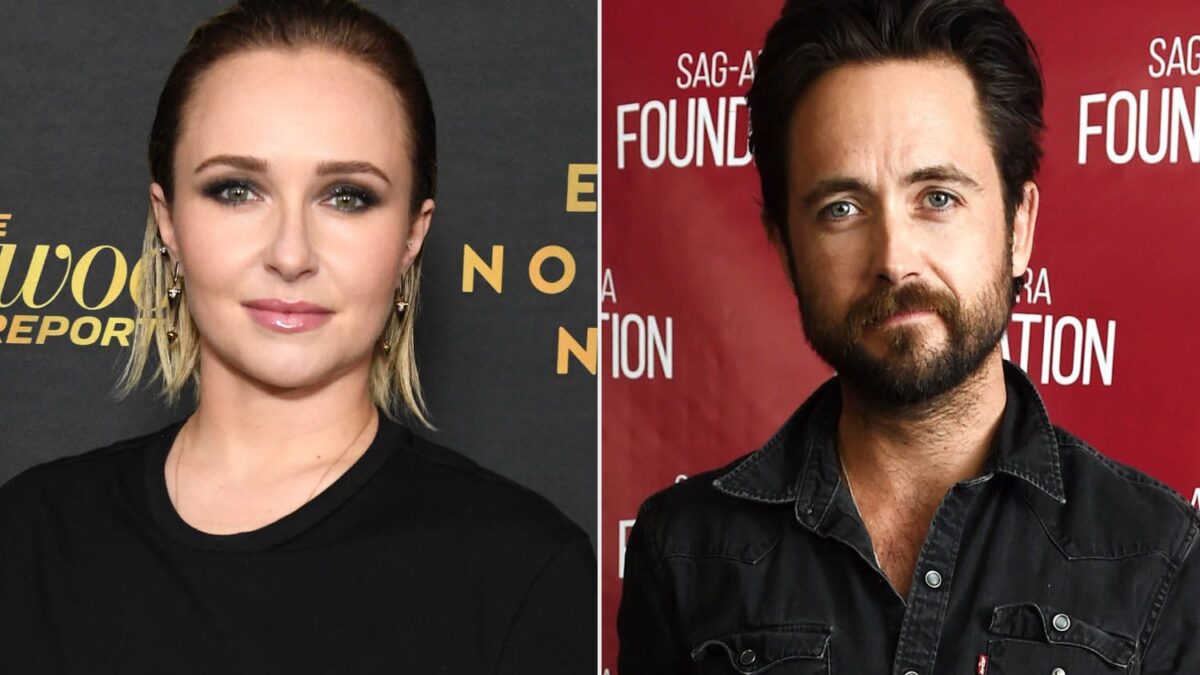
Justin Chatwin is opening up about working with Hayden Panettiere on Sleepwalker, saying the actress appeared to be “struggling” while they were making the thriller.
The film, released in January, reunited Panettiere with Chatwin years after the two appeared on NBC’s Heroes. In a new interview with People, the Shameless alum said he noticed a change in Panettiere during production, describing her as someone who “seemed different” from the performer he remembered from their earlier collaboration.
Chatwin emphasized that the two had a warm working relationship on the movie and “hit it off,” but his comments have drawn attention because Panettiere has been candid in the past about the personal challenges she has faced away from the screen. He did not offer a diagnosis or specific explanation for what he observed, framing his remarks as a co-star’s impression from set.
Sleepwalker centers on a woman pulled into a psychological mystery after a traumatic event, placing much of the film’s emotional weight on Panettiere’s performance. For fans who have followed her since childhood roles and later high-profile turns in Heroes, Nashville and the Scream franchise, the project arrived with added interest because it marked one of her most recent screen appearances after a period of limited acting work.
Why the comments are resonating
Panettiere’s career has long been watched through the lens of both talent and visibility. She broke out at a young age, transitioned into network television stardom and later became one of the signature faces of Nashville, earning acclaim for a role that blended acting and music. She also returned to genre filmmaking with Scream VI, reprising fan-favorite character Kirby Reed after years away from the franchise.
That history makes any account of her recent time on set especially sensitive. Entertainment audiences have become more attuned to the pressures placed on performers, particularly those who began working as children and spent much of their lives in public view. Chatwin’s remarks land in an industry environment where conversations about mental health, burnout and support systems have moved from private whispers to public concern.
They also arrive as film and television sets continue to reassess how productions care for actors working with emotionally demanding material. Intimacy coordinators, wellness consultants and trauma-informed practices are increasingly part of the conversation, though their use varies widely depending on budget, genre and production culture. Smaller thrillers and independent films often move quickly, with compressed schedules that can intensify the strain on performers carrying difficult scenes.
A reunion with complicated context
Chatwin and Panettiere first crossed paths for many viewers during the Heroes era, when the superhero drama became a major broadcast phenomenon. The series helped define a pre-streaming moment when network television could still mint global stars almost overnight. Panettiere, as Claire Bennet, became one of the show’s breakout figures, while Chatwin was part of the larger wave of actors associated with genre television’s mainstream surge.
By the time they reunited for Sleepwalker, both performers had moved through very different careers. Chatwin built a résumé spanning cable drama, indie film and international projects, while Panettiere’s public life often intersected with headlines beyond her acting work. Her openness about postpartum depression, addiction and grief has made her a figure many fans discuss with a level of protectiveness not always extended to celebrities.
That is part of why Chatwin’s comments have generated attention beyond the usual promotional cycle for a modest thriller. They are not simply observations about on-set energy; they connect to a broader public understanding of Panettiere as an artist who has navigated significant personal difficulty while remaining tied to beloved roles.
Still, the distinction matters: a co-star’s recollection is not a full account of a production, nor is it a substitute for Panettiere’s own perspective. In the absence of direct comment from the actress about Chatwin’s interview, the remarks should be understood as one person’s view of a shared professional experience.
Industry context
Hollywood has been reexamining how it talks about performers in vulnerable moments. In earlier eras, reports about an actor appearing unwell or “different” on set might have been framed as gossip. Today, there is more awareness that such language can carry consequences, especially when discussing someone who has publicly addressed health and recovery.
At the same time, co-stars increasingly speak with more candor about the human realities of production. Press tours and magazine interviews are no longer limited to cheerful anecdotes; actors are often asked to reflect on emotional difficulty, personal growth and the atmosphere behind the scenes. That candor can help normalize honest discussions about struggle, but it also places a burden on media and audiences to avoid turning concern into speculation.
For Sleepwalker, the renewed attention may bring more viewers to the film, particularly fans interested in Panettiere’s recent work. It may also prompt a closer look at the performance itself, which now sits within a larger conversation about resilience, public scrutiny and the demands placed on actors returning to the screen after time away.
What Happens Next
Panettiere has not publicly responded to Chatwin’s latest comments, and there has been no indication that the discussion will alter the film’s release path. The most immediate effect is likely to be renewed interest in Sleepwalker and in Panettiere’s future acting plans.
Whether she chooses to continue taking on screen roles, step back or speak directly about the production remains up to her. For now, Chatwin’s remarks have turned a January thriller into a larger industry talking point about how Hollywood supports performers when the cameras are rolling — and how carefully the public should listen when colleagues say someone may have been carrying more than a role.