
Warner Bros. is turning sharply divided reactions to Tom Cruise’s “Digger” into the movie’s latest marketing pitch, urging audiences to “decide for yourself” as the film faces a wave of negative reviews.
The new ad places sharply contrasting descriptions side by side. “Masterpiece” appears with “Unpleasant,” while the spot alternates between “Brilliant” and “Baffling,” and between “Magnificent” and “Insufferable.” It sums up the split response with the line, “Same film, different truth.”
Those words came from film influencers who attended early screenings and shared their reactions after the social embargo lifted on Sept. 22. By incorporating praise and criticism into the same campaign, the studio is presenting the disagreement itself as a reason for moviegoers to see the film and reach their own conclusions.
Warner Bros. posted the ad one hour before the review embargo ended, allowing film critics to publish their full assessments. The timing may have been an effort to get in front of the wider critical response, which proved considerably less enthusiastic overall than the first round of social-media reactions.
A Divisive Turn for Tom Cruise
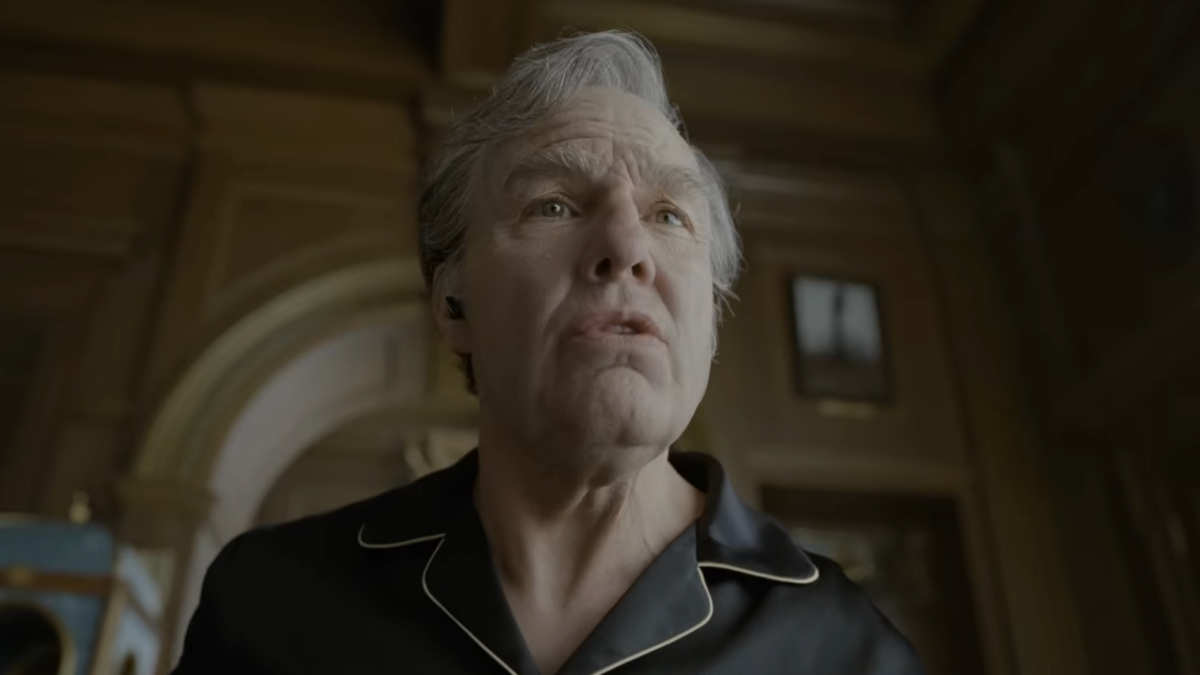
Directed by Alejandro G. Iñárritu, “Digger” stars Cruise as an oil tycoon whose drilling sets off a climate crisis. The performance represents Cruise’s first non-action hero role in nearly a decade.
The combination of Cruise, Iñárritu and the film’s provocative premise has now produced one of the more unconventional advertising approaches surrounding the release. Rather than highlighting only favorable comments, the campaign openly acknowledges that some early viewers found the movie difficult, unpleasant or baffling.
That strategy closely reflects the response that followed once critics were able to weigh in. “Digger” currently holds a 52% critics score on Rotten Tomatoes, indicating a sharply split reception rather than a clear consensus.
Critics Deliver Tough Verdicts
Several reviews offered blunt assessments of the film. Critic Owen Gleiberman described “Digger” as “so full of itself” and questioned both its scale and its commercial prospects.
“The movie cost north of $125 million to make, and that figure is not only too big to probably justify itself; it’s a testament to the arrogance of the filmmakers — to the assumption that we’ll turn out in droves for this ponderous absurdist lecture,” Gleiberman wrote.
Bilge Ebiri was similarly severe, calling the movie “a torturous experience, sometimes purposefully so, often unintentionally so.” David Ehrlich characterized it as a “surreal misfire” and awarded it a C+ grade.
Those notices provide a stark counterpoint to the positive phrases featured in the ad, including “Masterpiece,” “Brilliant” and “Magnificent.” Warner Bros. has not attempted to conceal that divide. Instead, the studio has made the conflicting judgments the center of its message.
The result is a campaign that asks viewers to look beyond any single reaction, whether glowing or hostile. It also allows the studio to acknowledge the negative buzz directly before audiences encounter it elsewhere.
What Happens Next?
Moviegoers will soon have the opportunity to answer the campaign’s challenge for themselves. “Digger” premieres in theaters on Oct. 2, when the broader public can decide whether Cruise and Iñárritu’s film is magnificent, insufferable—or something in between.