
Kevin Feige’s route to the top of Marvel Studios began with five rejections from USC’s film school before he was finally accepted — an early setback that stands in sharp contrast to the career he later built.
Feige, who was born in Boston and raised in New Jersey, went from repeatedly applying to USC to becoming Marvel Studios president and Marvel chief creative officer. In 2025, he gave the university an endowment establishing the Kevin Feige Division of Film & Television Production.
His rise was neither immediate nor glamorous. After film school, Feige secured an unpaid internship with Superman director Richard Donner and producer Lauren Shuler Donner, Donner’s wife. He remained with Shuler Donner as an assistant, work that ultimately led to an associate producer credit on Fox’s 2000 release X-Men.
From Assistant to Marvel Executive
Feige’s enthusiasm for Marvel caught the attention of Marvel Studios founder Avi Arad. Arad hired him to monitor how other studios were using Marvel superheroes, placing Feige close to productions that would shape his own thinking about the business.
Feige later explained to The Hollywood Reporter that he treated those years as an education, studying the choices being made around him and imagining how he might operate differently if he eventually gained greater authority.
“One day, if I’m in a position of power, I’ll do things this way; I’m going to not do things like that,” he recalled thinking.
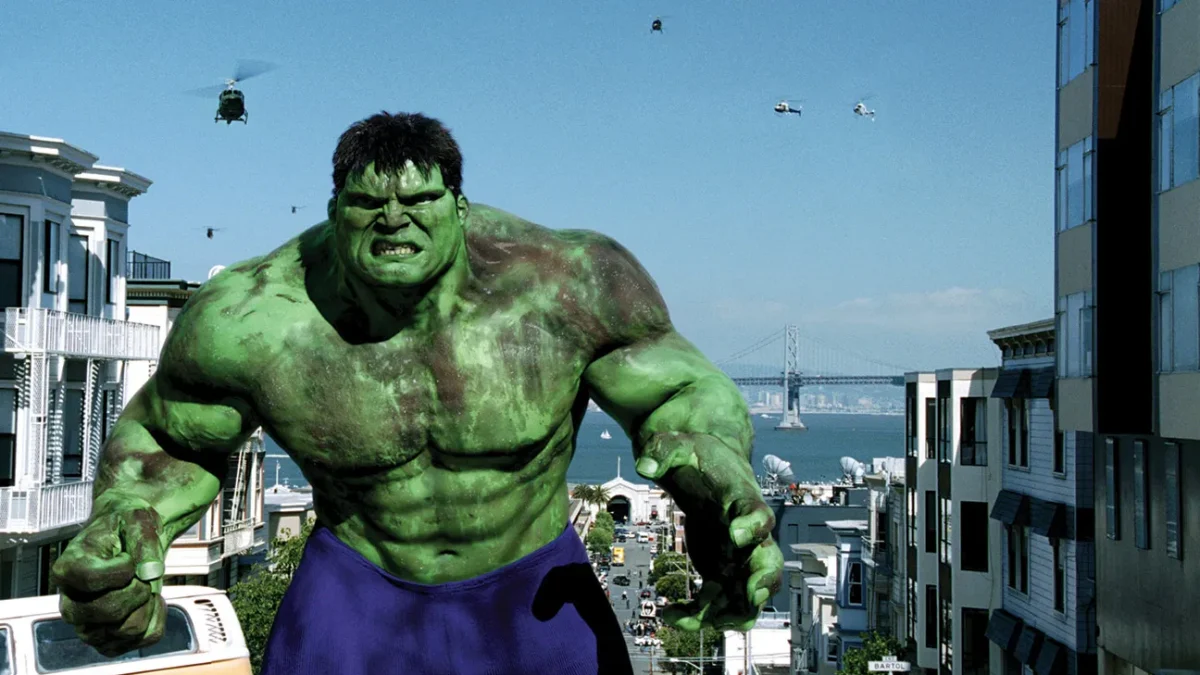
By fall 2003, when Feige was selected for the publication’s Next Gen list, he was executive vice president at Marvel Studios. He had also recently served as executive producer on Ang Lee’s Hulk, Universal’s summer movie starring Eric Bana as physicist Bruce Banner, who becomes his green-skinned alter ego when angered.
The review praised Hulk for its “visual energy, genuine artistry and compelling human emotions.” Financially, however, the movie delivered a comparatively modest $245 million worldwide against a $137 million budget.
Three years later, Marvel Studios bought back the Hulk rights. The studio subsequently released The Incredible Hulk in 2008, with Edward Norton in the lead role. Creative differences between Norton and Marvel resulted in Mark Ruffalo taking over as the character for 2012’s The Avengers.
Building the Marvel Cinematic Universe
Feige remained a Marvel Studios producer until he was appointed president of production in 2006. Two years later, he helped launch the Marvel Cinematic Universe with Iron Man.
That screen universe is now approaching its 39th film, Avengers: Doomsday. The anticipated Disney release, featuring a large lineup of A-list stars, is scheduled to reach theaters Dec. 18. Ruffalo will once again appear as the Hulk.
The scale of that progression gives added context to Feige’s answer on his 2003 Next Gen questionnaire. Asked to identify the greatest challenge of his job, he wrote: “Expanding and redefining the public’s perception of a ‘comic book movie.’”
At the time, Feige had already worked on X-Men and Hulk, but his eventual role in launching the MCU still lay ahead. His response shows that his ambition extended beyond overseeing individual productions: He was focused on changing how audiences viewed the category itself.
ShowBiz Take
Feige’s five USC rejections matter because they reveal how far removed his beginnings were from the position he holds today. The same film school that declined his application repeatedly eventually accepted him, and it now houses a production division bearing his name following his 2025 endowment.
His professional path also traces several distinct stages of Marvel’s screen history: an associate producer credit on X-Men, executive-producing duties on Ang Lee’s Hulk, responsibility for overseeing other studios’ use of Marvel characters and, eventually, a central role in launching the MCU with Iron Man.
Rather than presenting the early disappointments as a detour, Feige’s career shows how those experiences preceded years of close observation and steadily increasing responsibility. His own comments indicate that he was taking note of both the decisions he admired and those he hoped not to repeat long before he became Marvel Studios president.
What Happens Next?
The next confirmed milestone is Avengers: Doomsday, arriving in theaters Dec. 18. As the 39th MCU film, it continues the franchise Feige helped begin in 2008 and brings Ruffalo back to the role he first assumed in The Avengers.