
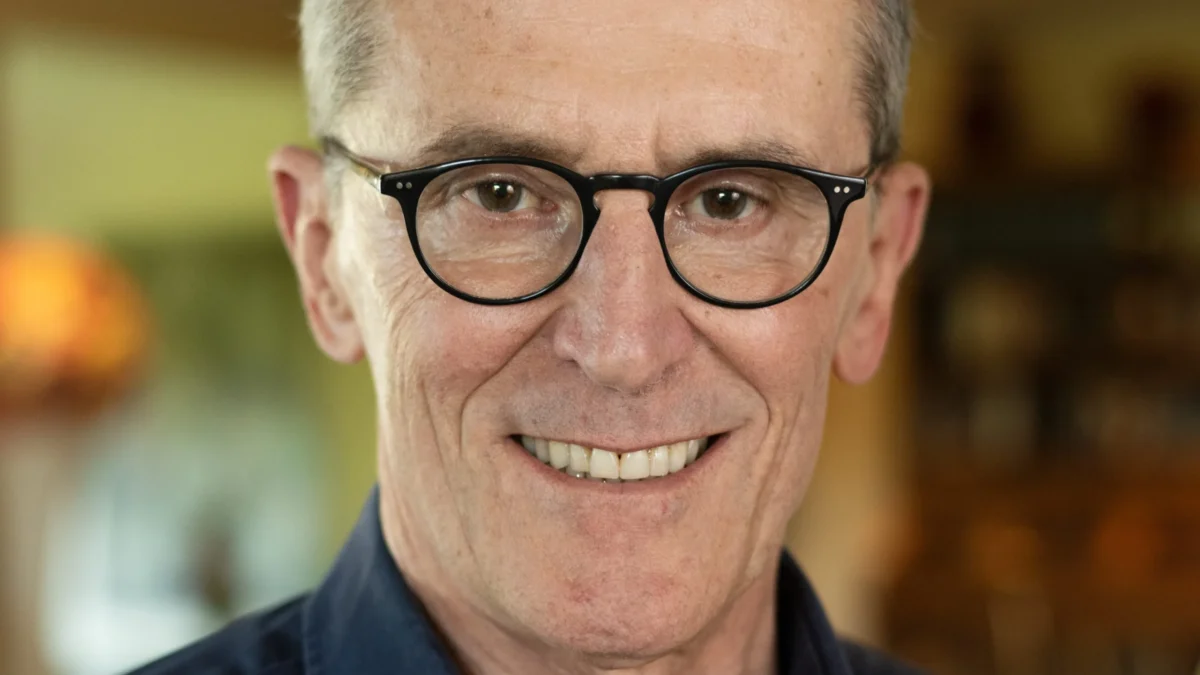
Banijay Entertainment CEO Marco Bassetti has put a striking figure on the company’s creative investment while warning that European producers need stronger financial rewards from Hollywood studios and streaming platforms.
Speaking at Rome’s MIA Market, Bassetti said Banijay had spent €1 billion ($1.1 billion) on “creativity” during the past four years. A company representative clarified that the total encompasses production costs, scripted television deficits and cash made available through funds and incentives.
The figure highlights the level of capital being committed by the independent production group. Banijay also produced 110 shows for streaming services last year, according to Bassetti.
But the executive argued that the current system risks leaving European companies as producers for hire rather than rewarding them for creating successful programming. His criticism centered on streamers’ reluctance to share back-end revenue and the terms attached to global production agreements.
As one example, Bassetti cited an unidentified Italian movie that Banijay made for a streaming platform. He said the project returned barely any money to the producer.
“Nowadays private TV and public broadcasters invest very little in creativity. Who invests in creativity? It’s us independent producers,” Bassetti said. He added that his “personal view” is that there should be “compensation for creativity.”
Rights retention takes center stage
Bassetti presented rights retention as a crucial issue for independent production companies. He pointed to the terms-of-trade systems in the UK and France, where rights usually return to producers, as an important factor in the growth of major European groups.
He named Banijay, Mediawan — the new owner of Hello Sunshine — and All3Media as examples of companies that have become global powerhouses under that environment. All3Media has now merged with Banijay.
The Banijay chief also questioned whether existing European audiovisual rules provide an adequate answer. Those rules require streaming companies to direct a portion of local revenue toward original productions, but Bassetti downplayed their effectiveness because the required levels are determined separately in each country.
Increasing public funds or production incentives alone would not solve the underlying problem, he argued. Instead, he said support needs to be structurally incorporated into production budgets and agreements with streaming platforms.
“Can we increase our incentives to 60%? Of course not,” Bassetti said. “There must be a reward if someone makes something extraordinary. If you do not give creative people incentives to come to you, why would they come? They will go somewhere else.”
His warning also addressed the pressure created when streamers pursue global deals while production costs continue to rise. If producers cannot retain rights under those arrangements, Bassetti said streaming companies must find other ways to compensate them.
A larger Banijay emerges
The comments followed Banijay’s unveiling in Cannes of its newly expanded business after the All3Media merger. Banijay Group and RedBird IMI each took a 50% stake in the enlarged company, which is now the world’s largest independent producer.
The combined group holds a library totaling 265,000 hours. Its programming includes The Traitors, Survivor, Big Brother, Deal or No Deal, Peaky Blinders, Race Across the World and Midsomer Murders.
Producers within the group are also behind the Culpables streaming trilogy and the upcoming Beatles movies. Bassetti and Banijay Entertainment chair Jeff Zucker have identified U.S. scripted production as a growth area for the company in the coming years.
ShowBiz Take
Bassetti’s argument carries added weight because it comes alongside Banijay’s disclosed €1 billion creative spend, its 110 streaming shows in a single year and the vast scale of the newly combined group. His message is that size and output do not eliminate the central economic concern facing producers: who benefits when a project succeeds.
The contrast is the heart of the issue. Streaming platforms are commissioning European productions, while independent groups are absorbing production costs, deficits and creative risk. Bassetti is calling for agreements that provide producers with a meaningful stake in the value of the work, whether through retained rights, back-end participation or another form of remuneration.
What Happens Next?
Banijay intends to pursue growth in U.S. scripted programming, but Bassetti’s MIA Market remarks make clear that deal terms will remain a major concern as the expanded company moves forward. The unanswered question is whether streaming platforms will offer European producers better rewards — or continue relying on global agreements that Bassetti believes give creators too little in return.