
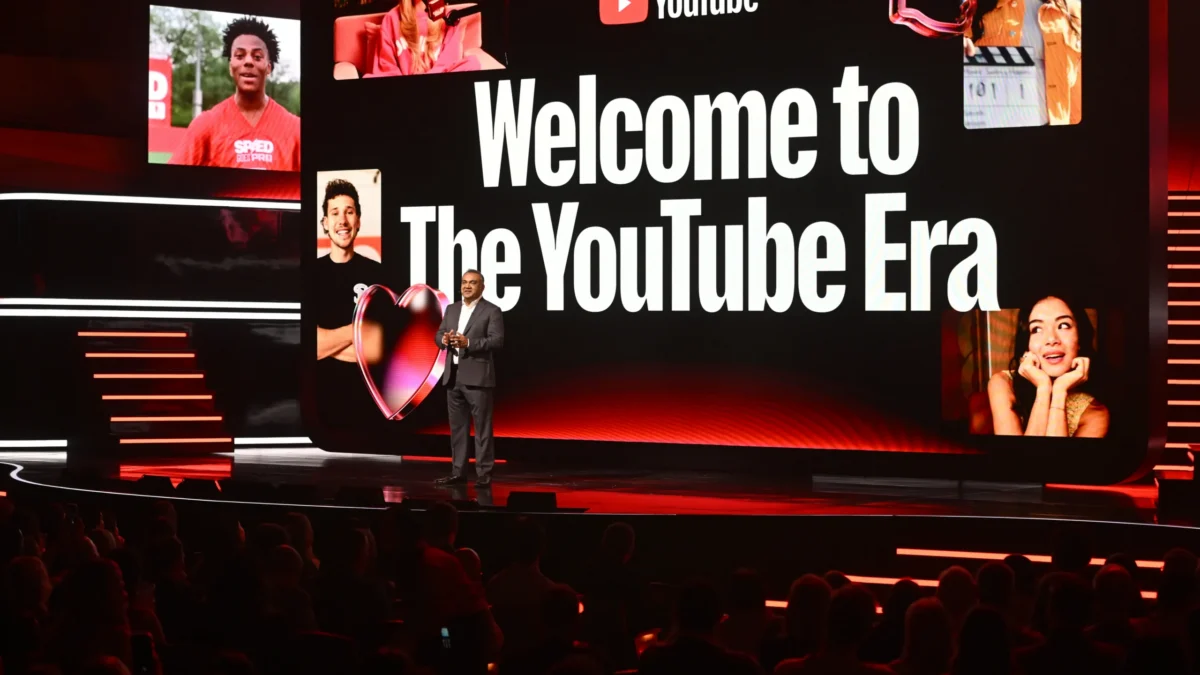
YouTube is pushing its living-room ambitions beyond traditional television viewing, adding a fresh batch of interactive tools to its TV experience as the platform continues to command a leading share of viewing on U.S. screens.
At its annual Made on YouTube event Wednesday, the company introduced nearly three dozen features for creators, viewers and brands. CEO Neal Mohan said those announcements were part of 3,000 product updates made so far in 2026.
Among the most notable changes, viewers can now post comments from their TVs, browse creators’ “Posts” featuring still images and text, and watch series through YouTube Shorts. The additions bring functions associated with the platform’s mobile and web versions into the living room.
The strategy comes as YouTube says the television has become its biggest screen by viewing. The platform has topped Nielsen’s charts for three consecutive years and, as of July, accounted for 14.2% of all viewing through a TV in the United States. Executives point to YouTube’s interactive features as a key factor in that position, alongside its free availability.
From “Lean Back” to “Lean In”
Kurt Wilms, YouTube on TV’s senior director of product management, said the company no longer sees television consumption as an entirely passive activity.
“Consumption is moving away from being passive, and people want to be engaged,” Wilms told reporters following the New York event.
He later described the experience as moving between “lean back” and more active viewing. A viewer might begin by simply watching a program, he explained, before deciding to read or leave comments, visit a creator’s channel or find another video mentioned on-screen.
“So now, instantly I become a leaned-in viewer,” Wilms said. “And so I think it flows, ebbs and flows between two. We don’t think of them as a hard line.”
Even within YouTube, Wilms said, adapting certain mobile and web functions for television can prompt questions about whether they belong there. However, the company has heard demand for those capabilities from both viewers and creators.
Comments are one example. YouTube has not released viewing figures for the feature, but Wilms estimated that the number of people reading comments on TVs rivals the audience doing so on the web. The decision to add creator Posts to television similarly emerged from consumer and partner research.
“It’s all born out of creator and viewer feedback,” he said. “And we’ve seen time and time again when we bring [features] to the big screen, they’re successful.”
Shorts Finds a Communal Audience
YouTube Shorts may appear an unlikely fit for landscape television screens, but the format is already generating more than 2 billion viewing hours on TVs each month.
Wilms said early feedback highlighted the lack of an easy way to enjoy Shorts with other people. Television changed that by enabling friends and family to watch the short-form programming together, creating a communal experience that was not previously possible.
Over the past two years, YouTube has made a particular effort to move formats that might not initially seem suited to television onto the big screen. Wilms cited Shorts, gaming videos and podcasts among the areas that have connected with TV viewers.
The company’s research also suggests that audiences do not fall neatly into separate passive and interactive camps. Instead, viewers shift between different “modes” depending on the time, setting and people around them.
Someone might use YouTube on a television as a home stereo for music at night, watch with children and other family members, or turn to Shorts for quick entertainment without having a specific video in mind.
Microdramas Gain Momentum
That appetite for bite-sized programming is also benefiting microdramas. According to Wilms, the format has generated more than 6.5 billion YouTube views already this year. On TV screens specifically, microdrama viewing is growing 90% year over year.
The sector has attracted startup studios and optimism that a format already established as a major part of the Asian entertainment ecosystem could gain similar acceptance elsewhere.
Wilms expects the category to keep expanding, describing microdramas as fast-paced, action-packed and quick. More broadly, he said personalized, bite-sized content is finding an audience among people looking to fill breaks in their day.
For YouTube, these new TV functions are also intended to retain the interactive character of the site that launched in 2005. The company noted Wednesday that the first comment left on “Me at the Zoo,” the first video uploaded to the platform, was simply “Lol.”
As YouTube carries more of that history onto television, its goal is to make sure the app does not feel incomplete on its largest viewing screen. As Wilms put it: “We didn’t want it to feel broken.”