
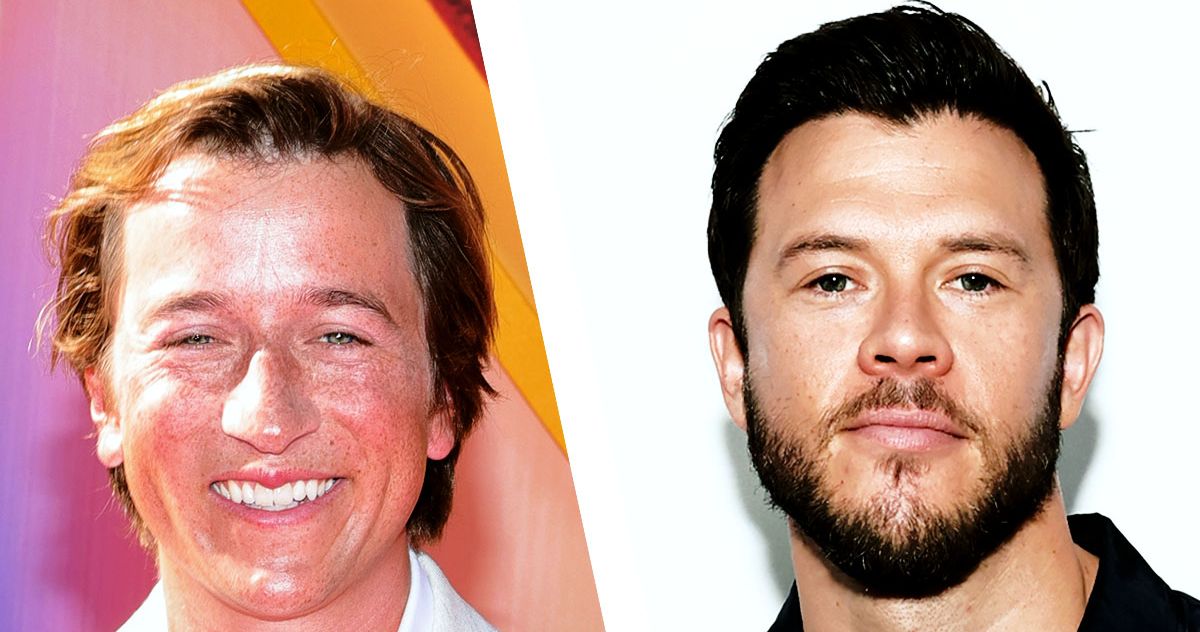
Jimmy Tatro is returning to mockumentary mayhem, this time with a cape-adjacent twist: the American Vandal breakout is set to play DC supervillain Gorilla Grodd in HBO Max’s The People V. Gorilla Grodd, a new series that pushes James Gunn and Peter Safran’s interconnected DC universe into deliberately strange territory.
The project will also reunite Tatro with another American Vandal alum, Skyler Gisondo, who will appear as Jimmy Olsen, the relentlessly upbeat Daily Planet photographer and longtime friend of Superman. Gisondo is reprising the role after appearing in 2025’s Superman, making the series one of the clearest examples yet of DC Studios’ plan to move characters and performers between film and television without treating the small-screen side as secondary.
Several other Superman cast members are also expected to cross over. Beck Bennett will return as sportswriter Steve Lombard, Mikaela Hoover will reprise her role as gossip columnist Cat Grant, and Wendell Pierce will be back as Daily Planet editor-in-chief Perry White. Their presence suggests The People V. Gorilla Grodd is not merely a one-off comedy riff on a famous comic-book villain, but a connective piece of the broader DCU infrastructure.
That said, this is hardly the most obvious way to expand a superhero franchise. Gorilla Grodd is a telepathic, hyper-intelligent ape best known as a Flash villain, and the idea of putting him at the center of a legal mockumentary already sounds like the sort of fake show characters in another series might be watching. Yet that appears to be the point. Rather than launching with another grim origin story or conventional crime-fighting procedural, HBO Max is leaning into a format that can satirize both true-crime obsession and superhero-world bureaucracy.
Tatro’s casting is especially telling. His work on American Vandal helped sell an absurd premise with deadpan emotional sincerity, turning a parody of prestige true-crime storytelling into something surprisingly character-driven. Playing Gorilla Grodd will require a similar balance: the role is inherently ridiculous, but the comedy only works if the world around him treats the stakes seriously.
For Gisondo, the series gives Jimmy Olsen more room than a feature film typically allows. In comics, Jimmy has often functioned as a gateway into the weirdest corners of Superman mythology, from bizarre transformations to tabloid-ready misadventures. A faux-legal series built around Grodd could position him as an eager investigator, media witness or Daily Planet participant in a case that becomes a circus before anyone realizes it.
The Daily Planet ensemble also gives the show a workplace-comedy engine beneath the superhero spectacle. Bennett’s Lombard, Hoover’s Cat Grant and Pierce’s Perry White each represent different tones inside the newsroom: bluster, opportunism and authority. If the series is framed around public reaction to Grodd’s alleged crimes, media coverage and institutional spin could be as important as superpowers.
Industry observers will be watching closely because the project represents a test of DC Studios’ tonal flexibility. Gunn has long favored comic-book storytelling that embraces oddball characters without sanding down their eccentricities, from Guardians of the Galaxy to Peacemaker. The People V. Gorilla Grodd appears to extend that philosophy into the new DCU at a moment when superhero franchises are under pressure to feel less formulaic.
The television strategy is also significant. Marvel and DC have both learned that interconnected streaming series can be a double-edged sword: they deepen audience investment when they feel essential, but risk fatigue when viewers sense homework. By building a show around a distinct genre hook rather than a standard spinoff template, HBO Max may be trying to make the series accessible to comedy and true-crime audiences who do not track every corner of comic-book continuity.
Mockumentary formats have had a long life on television, but the true-crime parody lane became newly potent after the success of shows like American Vandal, which treated juvenile scandals with the language of investigative prestige TV. Applying that grammar to a DC villain accused of crimes against humanity, or perhaps against Central City, Metropolis or Gorilla City, opens the door to a very specific kind of absurdity.
It also gives DC a chance to humanize—or at least complicate—a character who might otherwise be dismissed as too strange for live action. Grodd has intelligence, grievance, political ambition and a long comic-book history involving mind control and conquest. A courtroom-style or documentary-style narrative can mine those traits for both comedy and commentary, especially if the series treats him as a public figure whose trial becomes a media obsession.
The project’s existence signals confidence in the supporting players around Superman. Rather than waiting to see which characters break out after the film’s release, DC Studios is already building lateral pathways for the Daily Planet cast. That approach can make the universe feel lived-in, with Metropolis continuing to function even when Superman is not at the center of the frame.
For HBO Max, the series also offers a potential brand advantage. A strange, character-specific DC comedy can stand apart from the crowded superhero field while still benefiting from recognizable IP. If it works, The People V. Gorilla Grodd could become a model for using comic-book mythology in formats beyond action-adventure, including legal satire, workplace comedy and faux-documentary storytelling.
What Happens Next
Production details, episode count and additional casting are expected to come into focus as DC Studios continues mapping the rollout around Superman and its related projects. The biggest question now is tone: whether The People V. Gorilla Grodd plays like a straight-faced legal doc gone berserk, a newsroom satire with a supervillain problem, or some uniquely DC combination of both. Either way, the series suggests the new DCU is willing to get very weird very quickly.