
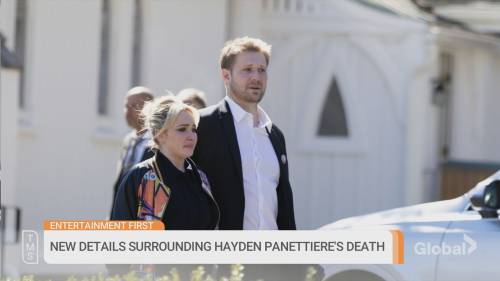
A widely circulated entertainment-video listing claiming that Hayden Panettiere died over the weekend has triggered confusion online, but there is no verified public confirmation from law enforcement, a coroner’s office, Panettiere’s representatives or major news organizations substantiating the report.
ShowBiz.com has not independently verified the claim and is not reporting Panettiere’s death as fact. The actor, known for Nashville, Heroes and the Scream franchise, has been the subject of intense public attention for years, making any unconfirmed report involving her personal life especially sensitive.
The video description circulating online alleges that a police report placed Panettiere’s on-and-off boyfriend Brian Hickerson and his brother inside a South Carolina apartment at the time of an incident. However, without an authenticated police filing, an official statement or confirmation from the relevant authorities, the claims remain unverified.
The situation underscores a growing problem in entertainment media: celebrity death claims can spread widely before they are confirmed, corrected or removed. Video platforms, automated news feeds and search-optimized headlines often amplify emotionally charged language, especially when a celebrity has previously been open about personal struggles.
Panettiere has spoken publicly in the past about addiction, trauma and grief, including the death of her brother, actor Jansen Panettiere, in 2023. That history may be one reason the latest online claim gained traction so quickly. It also makes accuracy particularly important.
Hickerson, who has had a turbulent and publicly documented relationship with Panettiere, has previously been referenced in coverage of the actor’s personal life and legal matters. But the existence of past headlines does not validate new allegations, and no responsible outlet should treat an unverified police narrative as confirmed fact.
Why the story matters
Celebrity news operates in a fast-moving ecosystem where minutes can separate a legitimate breaking story from a damaging falsehood. For public figures, especially women whose private lives have already been dissected in the press, inaccurate reporting can cause harm not only to the celebrity but also to family members, friends and fans.
Panettiere’s career has spanned television, film, voice acting and music-adjacent work, including her long-running role as Juliette Barnes on ABC and CMT’s Nashville. That series positioned her at the intersection of scripted drama and country music culture, helping introduce her to audiences beyond the teen and genre fan bases that first embraced her.
Because of that broad recognition, reports about Panettiere travel quickly across entertainment, music and pop-culture platforms. A misleading or unsupported item can migrate from a video thumbnail to social media posts, fan forums and even international aggregation sites in a matter of hours.
The industry has been here before. Over the past decade, performers including actors, musicians and reality stars have repeatedly been targeted by false death rumors. Some began as hoaxes, while others were the result of poorly sourced aggregation or confusion between similarly named individuals. In the age of short-form video, the problem has accelerated.
For entertainment journalists, the standard remains straightforward: death reports require confirmation from official sources, family representatives or trusted outlets with clear sourcing. Screenshots, anonymous claims and vague references to police documents are not enough.
Madonna and the VMAs enter the conversation
The same online entertainment package also references Madonna’s expected presence around this year’s MTV Video Music Awards, framing the pop icon as a major draw decades after she helped turn the ceremony into a pop-cultural institution.
That part of the package speaks to a more familiar and verifiable industry trend: awards shows continue to lean on legacy superstars to create must-watch moments in a fragmented media landscape. Madonna’s history with the VMAs is foundational, from her boundary-pushing early performances to the way she used the platform to merge music, fashion, provocation and television spectacle.
MTV and its parent company have increasingly relied on multigenerational appeal to keep the VMAs relevant. Pairing newer chart-toppers with legacy performers gives the show a broader social footprint and encourages clips to circulate long after the broadcast ends.
If Madonna is part of this year’s ceremony in a significant way, it would fit a familiar strategy: make the live show feel unpredictable, nostalgic and meme-ready all at once. In a year when music events compete not only with rival broadcasts but also with TikTok, YouTube and livestreamed fan events, recognizable icons still matter.
But the juxtaposition of a major music-awards tease with an unverified celebrity death claim also shows how entertainment news packages can blur categories and stakes. A possible VMAs moment is promotional. A claim about someone’s death is not. The two should not be treated with the same editorial casualness.
What Happens Next
The next step is verification. If law enforcement in South Carolina, Panettiere’s representatives or her family issue a statement, credible outlets will update their coverage accordingly. Until then, the claim should be treated with caution rather than repeated as confirmed news.
For fans, the best approach is to avoid sharing unverified video headlines and wait for reporting from established news organizations. For platforms, the episode is another reminder that entertainment content involving death, police activity or domestic relationships requires stronger safeguards before it is amplified.
As for the VMAs, official announcements from MTV will determine Madonna’s role and any nominations or appearances tied to the ceremony. Until those details are confirmed, the verified story is less about a single celebrity claim than about the entertainment industry’s ongoing battle to separate breaking news from viral noise.