
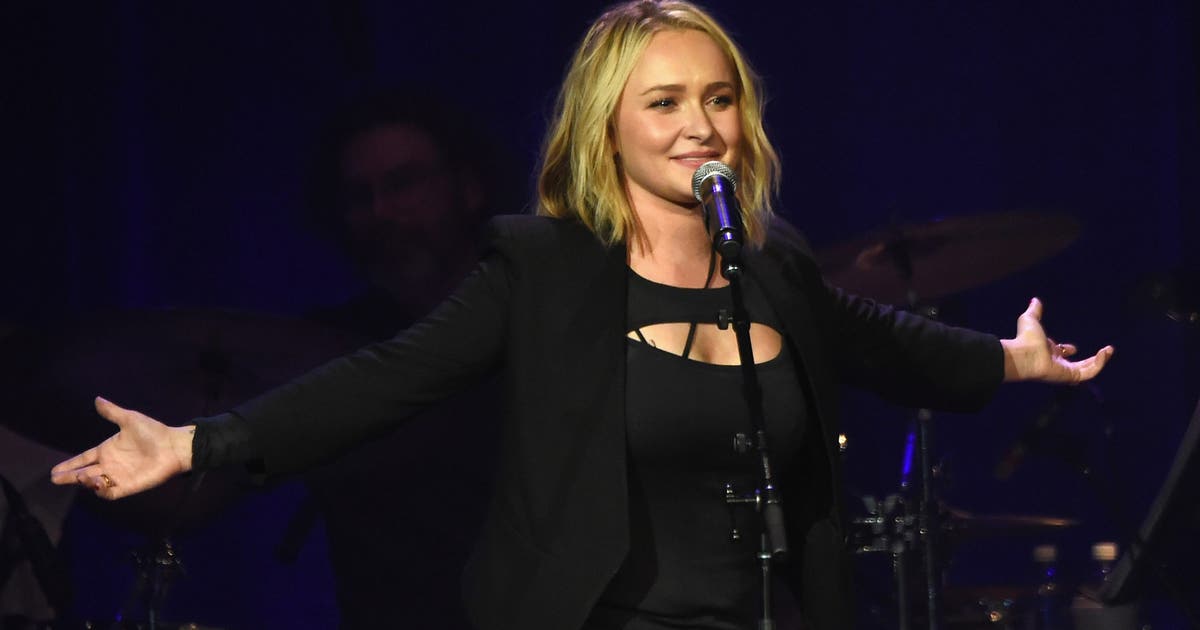
Claims circulating online that Hayden Panettiere has died are not supported by any verified public record or credible confirmation from law enforcement, the actor’s representatives or her family, underscoring how quickly unverified celebrity death reports can spread across entertainment media and social platforms.
The latest wave of speculation appears to stem from an alleged police report that has been quoted in online posts and secondary write-ups. ShowBiz.com has not authenticated that document, and no official agency has publicly confirmed the actor’s death. As of publication, no established entertainment trade outlet, medical examiner’s office or family representative has issued a death notice for Panettiere.
Because Panettiere is a public figure with a long career and a well-documented history of personal struggles, false or unverified reports about her health can gain traction quickly. But in the entertainment industry, a celebrity death is typically confirmed through multiple channels before publication, including representatives, family statements, law enforcement agencies or coroners’ offices. None of those confirmations has emerged here.
Panettiere, who became one of television’s most recognizable young stars through roles on “Heroes” and “Nashville,” has spoken publicly in recent years about addiction, depression, postpartum challenges and grief following the 2023 death of her brother, Jansen Panettiere. Those disclosures have made her an important figure in broader conversations about mental health in Hollywood, but they also make unverified claims about her wellbeing especially sensitive.
Why the Confusion Spread
Celebrity death rumors have become a recurring problem for the entertainment press, particularly when posts mimic the language of police reports or official statements. A single unattributed quote, when paired with a familiar name, can be republished rapidly by aggregation sites before primary sources have been checked.
That appears to be the central issue in this case. The language being circulated online includes details that have not been corroborated by any public-facing police log, medical examiner record or verified incident report. Without authentication, such material cannot be treated as a factual account.
The stakes are significant. Erroneous reports of a person’s death can cause distress to relatives, friends, colleagues and fans. They can also create reputational and legal exposure for publishers that repeat unverified claims as fact. In the current media environment, speed often competes with accuracy, but death reporting remains one of the clearest areas where newsrooms are expected to wait for official confirmation.
Panettiere’s Place in Television
Panettiere has been in the public eye since childhood, moving from commercials and daytime television into film and primetime roles. Her breakout as Claire Bennet on NBC’s “Heroes” made her a defining face of the network drama boom of the 2000s. She later earned acclaim for her performance as Juliette Barnes on ABC and CMT’s “Nashville,” a role that drew on both her acting and singing abilities.
Her career has also included voice work, franchise appearances and reality-adjacent tabloid attention, particularly around her relationships and family life. In recent years, Panettiere has returned to interviews with a more candid public voice, discussing recovery and the pressures that came with growing up in the industry.
That openness has resonated with fans and made her a sympathetic figure beyond her screen credits. It also explains why rumors about her can travel so widely: audiences feel a personal connection to performers whose lives have unfolded in public over decades.
Industry Context
Entertainment news organizations generally follow a strict verification process when reporting a death. A representative’s statement is often the first step. In other cases, confirmation comes from a family member, a studio, a union, a publicist, a law enforcement office or a coroner. Even when a police report exists, journalists must verify that it is authentic, complete and accurately interpreted.
That process matters because early information can be incomplete or wrong. Names can be confused, documents can be misread, and fabricated screenshots can be passed off as official records. The rise of artificial intelligence tools and low-quality content farms has made forged or misleading “reports” easier to create and harder for casual readers to detect.
For celebrities who have discussed addiction or mental health, the responsibility is even greater. Responsible coverage should avoid sensationalizing personal struggles, speculating about causes of death or implying facts that have not been confirmed. That standard applies whether the subject is a major star, a working actor or a member of a famous family.
In Panettiere’s case, the available record does not support the claim that she has died. Until an official source says otherwise, the responsible position is to treat the circulating material as unverified and refrain from repeating its allegations as fact.
What Happens Next
ShowBiz.com will continue to monitor official sources, including representatives, law enforcement agencies and public records, for any verified update. If a legitimate statement or authenticated report is released, the story should be handled with care and proper attribution. For now, readers should be cautious about social media posts or articles claiming confirmation without naming an official source.