
Why This Matters
Prime Video used the concentrated attention of San Diego Comic-Con to give fans their most substantial glimpse yet at Blade Runner 2099, the long-gestating television continuation of one of science fiction’s most scrutinized screen worlds. The teaser, unveiled Friday during a packed genre presentation, marks the first major public step toward a series that has been discussed for nearly five years and watched closely by both franchise loyalists and industry observers.
The project carries unusual weight because the Blade Runner name is not simply another piece of recognizable IP. Ridley Scott’s 1982 film helped define the visual language of cyberpunk, while Denis Villeneuve’s 2017 sequel, Blade Runner 2049, deepened the mythology without diluting its philosophical unease. Moving that universe into a ten-episode streaming format is a high-risk proposition: the canvas is broader, but so are the opportunities to over-explain a world that has always thrived on ambiguity.
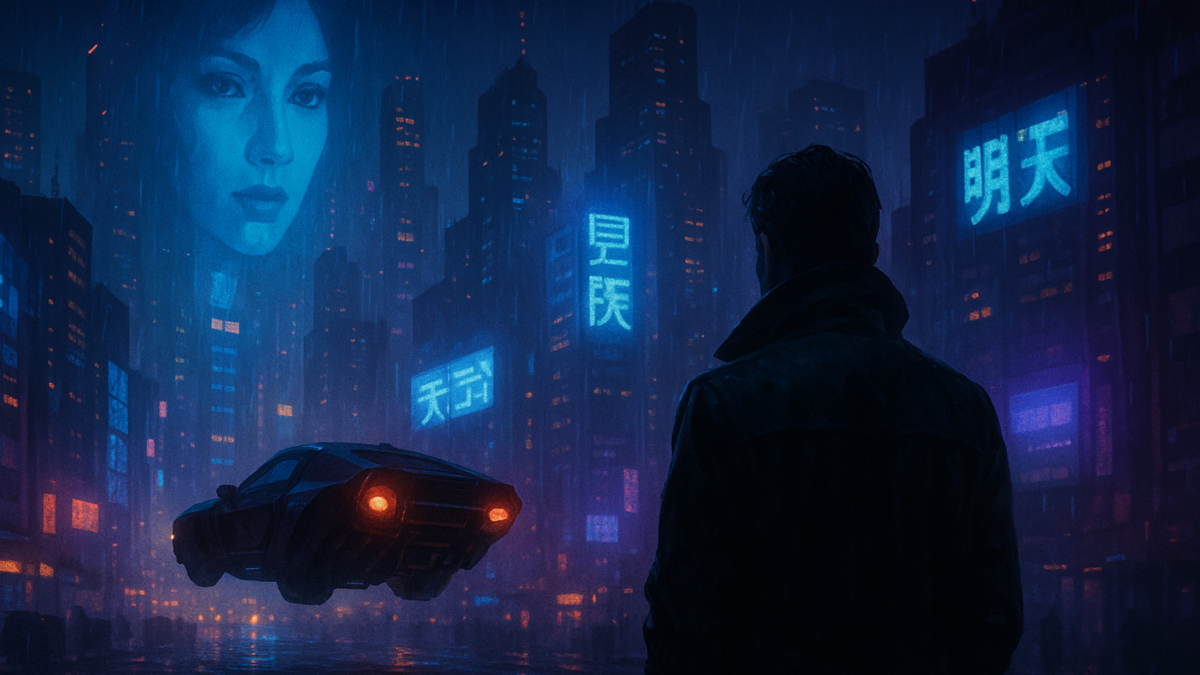
The Comic-Con footage appeared designed to reassure skeptical fans that the series is not approaching the material as a generic futuristic thriller. Though Prime Video kept story specifics close, the teaser leaned into the franchise’s signature atmosphere: rain-slicked urban decay, looming corporate architecture, human faces lit by artificial glow and the persistent question of what separates memory, identity and manufactured life. For a property that depends as much on mood as plot, the first impression matters.
The presence of Michelle Yeoh and Hunter Schafer, who joined showrunner Silka Luisa in support of the series, also sends a clear message about the scale of ambition. Yeoh arrives with global prestige and genre credibility, while Schafer brings a younger audience and a screen presence that fits the franchise’s long-standing fascination with fragility, performance and selfhood. Their casting suggests Prime Video is treating the project less like a brand extension and more like a prestige sci-fi gamble.
That distinction matters in a television marketplace crowded with revivals, sequels and universe-building exercises. Audiences have become fluent in the difference between a meaningful continuation and a corporate obligation. Blade Runner 2099 will have to earn its place not by reminding viewers of neon umbrellas and replicant mythology, but by articulating why this story needs to exist nearly a century after the original film’s timeline.
Industry Context
The first look arrived as Comic-Con once again served as a key battleground for premium genre television. Prime Video also previewed the third season of The Rings of Power, while HBO brought new footage from Lanterns, underscoring how aggressively streamers and legacy studios are using fan conventions to shape the narrative around expensive tentpole series. In an era when subscriber growth is harder to secure, these events are less about simple promotion than confidence-building.
For Amazon MGM Studios, the stakes are especially pronounced. Prime Video has invested heavily in large-scale fantasy and science fiction, from Tolkien’s Middle-earth to adaptations such as Fallout. The streamer has shown a willingness to spend for world-building, but prestige genre programming now has to deliver more than initial curiosity. It needs sustained conversation, critical credibility and enough audience retention to justify long-term franchise planning.
Blade Runner 2099 occupies a different lane from the more overtly adventure-driven properties that dominate the genre marketplace. The original film was not a blockbuster in its first life; its influence grew through reappraisal, home viewing, design culture and decades of filmmakers borrowing from its vocabulary. Blade Runner 2049 earned admiration for its craft but remained a challenging theatrical proposition, celebrated more for artistic rigor than commercial inevitability.
That history makes television both an opportunity and a challenge. A serialized format can explore the social, political and technological consequences of a world shaped by artificial labor, collapsing ecosystems and privatized power. It can widen the lens beyond a single detective story or fugitive chase. At the same time, the franchise’s mystique depends on restraint. If every question receives an answer, the spell can break.
Silka Luisa’s involvement as showrunner is significant in that regard. Her previous work has dealt with paranoia, grief and fractured perception, qualities that align more naturally with Blade Runner than traditional action spectacle. With Ridley Scott’s original imprint still hovering over the property, the creative team must balance reverence with evolution, particularly as the timeline advances to 2099 and invites a fresh look at how humanity and synthetic life may have changed.
The broader context is also one of genre recalibration. After several years of maximalist franchise expansion, platforms are becoming more selective about which titles receive multi-season investment. Viewers are no longer impressed by scale alone. They want distinctive authorship, strong performances and a reason to return week after week. A Blade Runner series can stand out precisely because it is not built for easy comfort — but only if Prime Video allows it to remain strange, unsettling and morally complicated.
What Happens Next?
The teaser’s debut begins the real countdown. Prime Video has not turned the Comic-Con presentation into a full reveal of plot mechanics, and that restraint is likely intentional. Expect the marketing campaign to unfold gradually, with future trailers clarifying the central conflict, the role of Yeoh and Schafer’s characters, and how directly the series connects to the events and mythology of the earlier films.
The next phase will also test how the fan base responds once the initial excitement fades. Blade Runner devotees are famously detail-oriented, and every frame of new footage will be dissected for visual references, timeline clues and philosophical intent. That scrutiny can be a gift if the series appears carefully constructed, but it can turn quickly if viewers sense the property has been softened or over-commercialized for streaming consumption.
For Prime Video, the goal will be to position Blade Runner 2099 as appointment genre television rather than another expensive catalog play. A ten-episode order gives the platform enough room to build momentum, but it also raises expectations for narrative discipline. The show will need to satisfy newcomers while rewarding those who have lived with this universe for decades.
Comic-Con delivered the first serious proof of life. What happens next is the harder part: turning anticipation into trust, and trust into a series worthy of one of science fiction’s most enduring shadows.