Why This Matters
The first trailer for Mattel’s big-screen take on Matchbox arrives at a revealing moment for Hollywood: studios are still searching for the next unlikely brand that can be expanded into a theatrical event. What the footage suggests is not a reverent origin story about die-cast cars, but a knowingly over-the-top action comedy built around speed, wreckage and a wink to the audience.
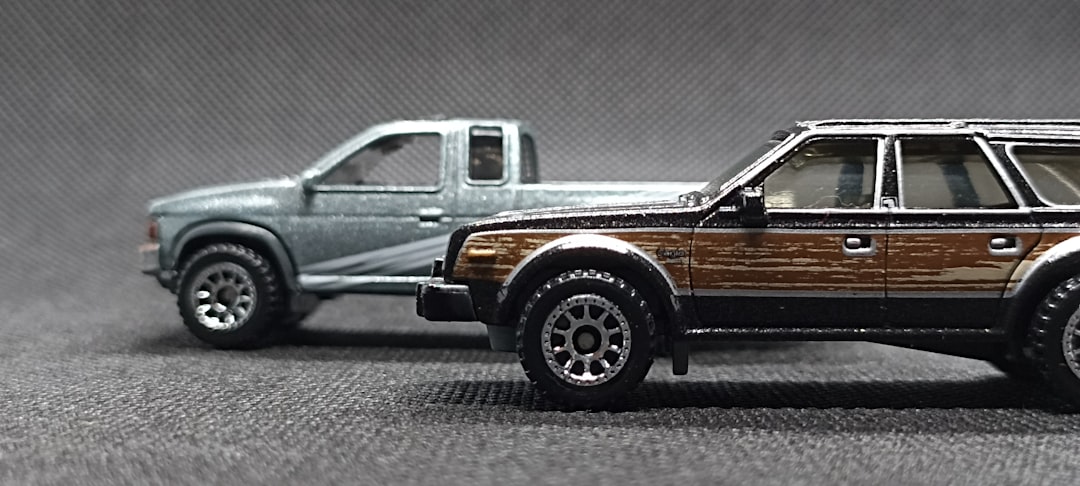
That choice is important. Rather than pretending the toy line carries the same mythological weight as a superhero franchise, the film appears to understand the appeal of the brand on a simpler level. Matchbox cars are about imagination, motion and miniature chaos. The trailer scales that up into full-size vehicular mayhem, with sleek pursuits, implausible stunts and the kind of family-friendly adrenaline that immediately invites comparisons to the street-racing blockbuster lane Hollywood has mined for more than two decades.
The key difference is tone. The footage does not seem interested in brooding sincerity. It leans into the absurdity of turning a toy-car line into a global action spectacle, which may be the smartest possible route. After years of audiences being asked to invest in sprawling lore, multiverse rules and brand-management exercises disguised as movies, there is renewed value in a film that appears to say, in effect, “Yes, this is ridiculous — now watch the car fly through something expensive.”
That self-awareness could be the factor that separates the project from the wave of intellectual-property adaptations that have stumbled by treating recognizable names as automatic box-office insurance. Recognition gets a movie noticed; attitude gets people to show up. If the trailer is an accurate reflection of the finished film, Mattel and its studio partners are betting that Matchbox can function less as a nostalgic museum piece and more as a commercial crowd-pleaser with a sense of humor about its own premise.
Industry Context
The trailer lands in the long shadow of Barbie, whose billion-dollar success reframed Mattel from a toy company with licensing opportunities into a serious Hollywood supplier. That film did more than sell tickets. It proved that a familiar consumer brand could be translated into a culturally noisy movie if the filmmakers found a sharp point of view. Since then, the industry has watched toy shelves with fresh intensity.
Mattel has been especially aggressive in positioning its library as a studio-facing arsenal. The company has dozens of film and television projects in various stages of development, spanning dolls, action figures, games and legacy playthings. Not all of those properties will become theatrical events, and not all of them should. But Matchbox has one clear advantage: cars are inherently cinematic. They move, crash, race and explode well before anyone has to explain the brand mythology.
That simplicity may be useful in the current market. Superhero fatigue has not eliminated the appetite for spectacle, but it has changed audience expectations. Viewers are less forgiving of films that feel like corporate homework. The most successful recent commercial titles have tended to offer a clean proposition: a star-driven ride, a strong genre hook, a recognizable world or a reason to leave the house. A toy-car action movie has an obvious elevator pitch, and the trailer appears designed to communicate it instantly.
The comparison to long-running automotive action franchises is unavoidable, but it is also strategically useful. For years, the car-chase blockbuster has balanced muscle, melodrama and increasingly physics-defying set pieces. Matchbox seems poised to borrow the scale while softening the seriousness. That could open the door to a broader audience, including younger viewers who know the toys, parents who remember them, and action fans willing to accept a lighter variation on a familiar formula.
There is also a broader business calculation at work. A film like this is not just a movie; it is a brand accelerant. If it connects, Mattel can push new toy lines, collector editions, retail partnerships and possibly additional screen extensions. The theatrical release becomes the centerpiece of a larger consumer-products ecosystem. That model can look cynical when the film itself feels secondary, but Barbie demonstrated that commercial ambition and creative identity do not have to be mutually exclusive.
The challenge is that Barbie also raised the bar. Audiences may be more open to toy-based movies now, but they are also more alert to the difference between clever adaptation and brand exploitation. Matchbox does not need to be a satirical cultural phenomenon, but it does need to justify its existence beyond name recognition. The trailer’s playful energy suggests the filmmakers know that the premise has to be fun first and branded second.
What Happens Next?
The trailer now begins the most important phase of the campaign: defining expectations. If audiences see the film as a disposable knockoff of better-known car franchises, it could struggle to break out. If the marketing successfully sells it as a breezy, self-aware action adventure with practical entertainment value, it has a clearer path to becoming a four-quadrant play.
Expect the next wave of promotion to lean heavily on stunt work, ensemble chemistry and the tactile appeal of vehicles pushed to impossible limits. The campaign will likely avoid getting bogged down in plot and instead emphasize momentum: chases, jokes, crashes and the fantasy of childhood play expanded to blockbuster size. For a property like this, clarity is an asset. The audience should know exactly what kind of ride they are being invited to take.
The film will also serve as another test of Mattel’s post-Barbie strategy. One massive success does not automatically create a cinematic kingdom, and Hollywood’s history is crowded with brands that looked obvious on a spreadsheet but lifeless on screen. Matchbox has the advantage of a clean concept and a trailer that appears to embrace its own silliness. Whether that is enough will depend on execution, release timing and whether the finished movie can deliver more personality than its premise requires.
For now, the first look has done its job: it has turned a toy adaptation that could have sounded like a punchline into a visible entry in the next wave of brand-driven studio filmmaking. The stakes are not just whether audiences want another car-chase spectacle. They are whether Hollywood can keep transforming familiar playroom objects into movies that feel like entertainment rather than inventory.