
Why This Matters
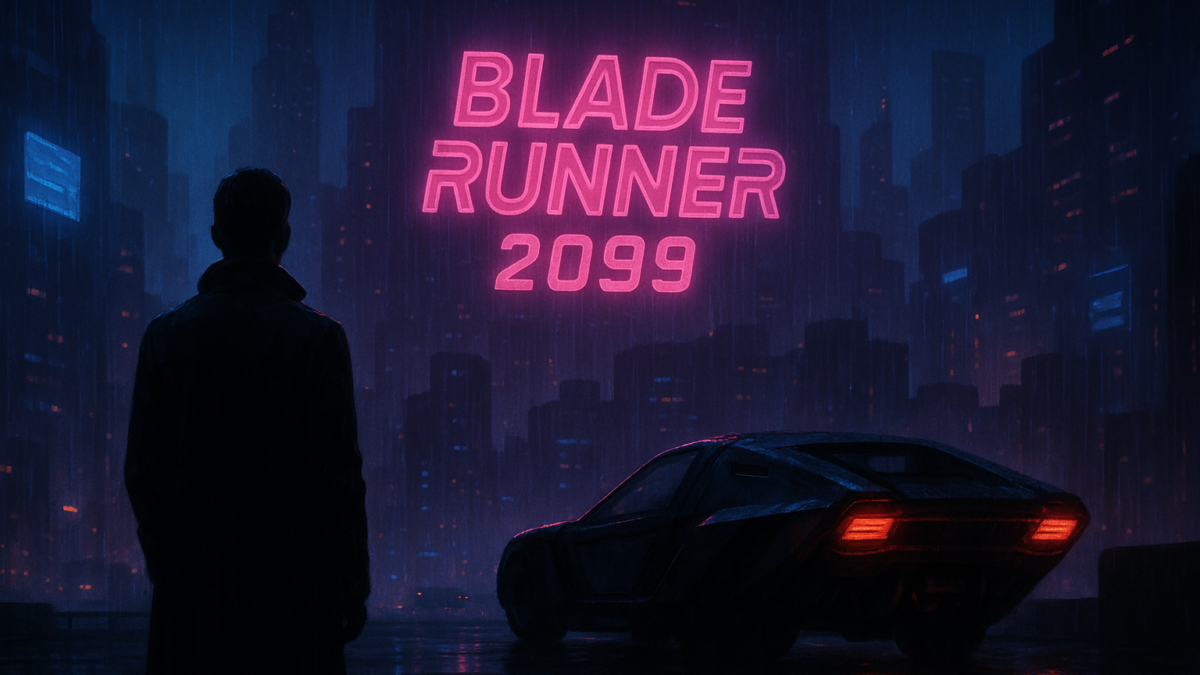
Prime Video has put one of science fiction’s most closely watched television projects on the calendar, unveiling a teaser for Blade Runner 2099 at San Diego Comic-Con and setting a Nov. 25 premiere date for the series.
The announcement gives the streamer a major genre play for the holiday viewing corridor and offers the first broad public-facing look at how the Blade Runner universe will expand on television. For a franchise defined by atmosphere, philosophical unease and meticulous world-building, the move to episodic storytelling is significant. It suggests Amazon is betting that audiences will return not just for spectacle, but for a longer, more immersive exploration of a future shaped by artificial intelligence, corporate power and questions of identity.
The new series continues the screen legacy that began with Ridley Scott’s 1982 film, which adapted themes from Philip K. Dick’s novel Do Androids Dream of Electric Sheep? into one of cinema’s most influential dystopian visions. Denis Villeneuve’s 2017 sequel, Blade Runner 2049, deepened that mythology and earned strong critical regard, even as its theatrical box office performance underscored the commercial challenges of cerebral, adult-skewing science fiction.
That tension is precisely why Blade Runner 2099 matters. The brand has never functioned like a conventional franchise. It is not built around easily repeatable action beats or a single superhero-style protagonist. Its appeal comes from mood, moral ambiguity and a visual language that has shaped decades of film, television, advertising, gaming and fashion. Bringing that sensibility to streaming tests whether prestige sci-fi can thrive as an ongoing appointment-viewing event in a marketplace increasingly driven by recognizable intellectual property.
The teaser’s arrival at Comic-Con also signals that Prime Video intends to court both devoted franchise loyalists and a wider genre audience. Comic-Con remains a key launchpad for properties that depend on fan investment, and a November debut gives the platform several months to build awareness, release additional footage and clarify how the series connects to earlier chapters without requiring casual viewers to arrive with encyclopedic knowledge.
Industry Context
Blade Runner 2099 arrives at a time when the television business is still recalibrating its relationship with big-budget genre programming. Streamers continue to rely on known properties to cut through a crowded field, but the economics have become more disciplined. After years of aggressive spending, platforms are now under pressure to deliver series that can justify premium production costs through subscriber engagement, global appeal and awards-season credibility.
Prime Video has been especially active in that lane. The service has invested heavily in expansive worlds, from The Lord of the Rings: The Rings of Power to Fallout, using genre titles to define its identity in an increasingly competitive streaming landscape. A Blade Runner series fits that strategy, but it comes with a different creative burden. Unlike fantasy adventures or video game adaptations with broad ensemble momentum, Blade Runner is associated with stillness, dread and existential questioning. The challenge is to preserve that DNA while giving viewers enough narrative propulsion to sustain a season.
The franchise’s themes are also unusually timely. The original film’s questions about synthetic life, memory and personhood have only become more resonant as artificial intelligence moves from speculative concept to everyday reality. A series set in 2099 gives the creative team room to extrapolate beyond the world of replicants and blade runners as audiences know them, while still engaging with anxieties that feel increasingly present-tense.
The involvement of the broader Blade Runner legacy gives the project a level of prestige that few sci-fi series can claim. Ridley Scott’s original film was not an instant mainstream juggernaut, but its reputation grew over time until it became a foundational text for modern screen futurism. Blade Runner 2049 then proved that the universe could be revisited with ambition and visual sophistication rather than simple nostalgia. The television version will be judged against that standard.
That comparison cuts both ways. The name gives Prime Video a built-in marketing hook, but it also raises expectations for craft. Viewers will expect production design, cinematography, sound and storytelling that feel worthy of the franchise’s legacy. In a streaming environment where audiences can be ruthless about franchise extensions that appear watered down, Blade Runner 2099 will need to look and feel like an event.
What Happens Next?
With the premiere date now set, Prime Video’s next task is to turn curiosity into commitment. The teaser functions as a first invitation, but the coming months will likely bring a fuller trailer, character details and a clearer sense of the show’s central conflict. Those materials will be crucial in explaining whether the series is a direct continuation of prior films, a more standalone story set within the same universe, or some combination of both.
The Nov. 25 launch places the series in a valuable but crowded window, when streamers traditionally roll out high-profile titles designed to capture holiday audiences. That timing suggests confidence. It also means Blade Runner 2099 will need to compete not only with other scripted releases, but with sports, films, awards contenders and end-of-year viewing habits.
For fans, the biggest question is whether the show can expand the mythology without overexplaining it. Part of the power of Blade Runner has always been what it leaves unresolved: the gaps between human and machine, memory and truth, creator and creation. A television series has more room to explore those ideas, but more room also means greater risk of demystifying a world that has endured because of its ambiguity.
If Prime Video gets the balance right, Blade Runner 2099 could become one of the streamer’s defining genre dramas and a rare example of a classic film property finding fresh purpose on television. For now, the teaser and release date make one thing clear: the future of Blade Runner is no longer theoretical. It arrives in November.