
Why This Matters
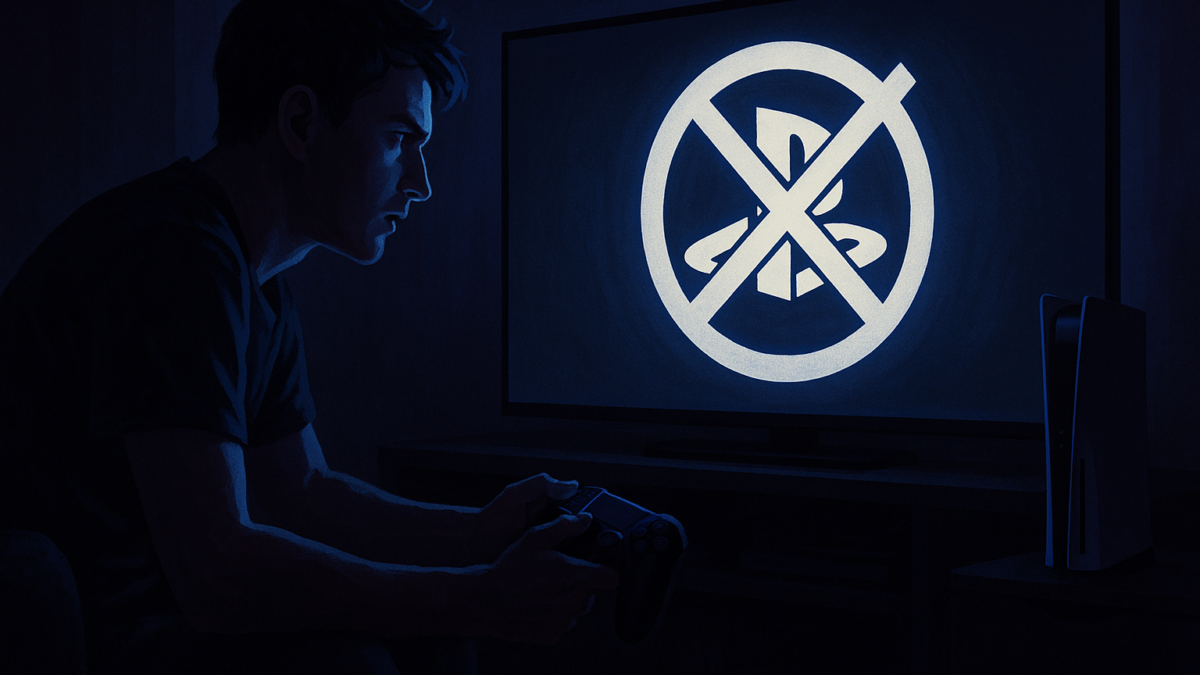
For many players, a PlayStation Network disruption is no longer a minor technical inconvenience. It is a shutdown of the front door to a large part of modern console entertainment. On Friday afternoon, thousands of users began reporting that they could not access key PlayStation services, with outage-tracking site Downdetector showing a sharp rise in complaints as the issue spread across the platform.
Sony’s PlayStation support channels confirmed that its network services were experiencing problems, affecting users who rely on online connectivity to sign in, launch digital games, access multiplayer features, browse the PlayStation Store or use account-related services. The timing was especially frustrating for families and younger players, with many schoolchildren beginning their summer break and looking to spend the first weekend with major titles such as Astro Bot and Marvel’s Spider-Man 2.
The outage underscores how dependent gaming has become on always-connected infrastructure. Even games that are primarily single-player can be affected when licenses, cloud saves, profiles or storefront authentication are tied to online services. For consumers who have invested heavily in digital libraries, any prolonged network interruption raises familiar questions about ownership, access and the reliability of platforms that increasingly operate like entertainment utilities.
For PlayStation, the issue arrives at a sensitive moment. The company remains one of the most powerful brands in global gaming, but user patience around network stability has thinned across the industry. Players expect the same reliability from a games platform that they expect from streaming services, banking apps or social networks. When a network goes dark, the backlash is immediate, public and highly visible across social media.
Industry Context
Outages of this kind highlight the scale and complexity of the modern games business. PlayStation Network is not simply a matchmaking service. It supports payments, downloads, subscription access, cloud-based saves, messaging, trophies, parental controls, digital entitlements and the social layer that sits around blockbuster releases. When multiple parts of that system falter at once, the disruption can touch casual players, competitive gamers, streamers and publishers alike.
The rise of digital distribution has made platform stability a central business issue for console makers. Sony, Microsoft and Nintendo have all pushed deeper into online ecosystems, where recurring revenue from subscriptions, downloadable content and digital purchases is a major part of their strategy. That model offers convenience and scale, but it also creates a higher burden of trust. If consumers cannot reliably access content they have paid for, frustration can quickly turn into reputational damage.
PlayStation’s position is particularly high-profile because of its enormous installed base and its association with premium first-party releases. Recent years have seen Sony lean heavily on exclusive franchises, cinematic single-player adventures and a growing digital storefront. The company has also expanded PlayStation Plus into a multi-tier subscription offering, increasing the number of users whose entertainment experience depends on ongoing network availability.
The gaming industry has seen similar incidents before, from temporary store outages during major sales to widespread login problems after system updates or high-traffic launches. These disruptions are often resolved without long-term damage, but they can become flashpoints when communication is slow or when players believe they are being left in the dark. In the social media era, a network problem can become a global customer-service crisis within minutes.
The outage also arrives as the broader entertainment market is competing fiercely for leisure time. Video games now sit alongside streaming platforms, live sports, social media and creator-led content as daily entertainment habits. If a console service is unavailable, consumers have alternatives instantly available on other devices. That makes reliability not just a technical metric but a competitive advantage.
For publishers and developers, platform outages can have knock-on effects beyond user complaints. Online events, limited-time rewards, multiplayer seasons and digital promotions are often scheduled with precision. A major service interruption can reduce engagement, interfere with marketing beats and create additional pressure on support teams. Even if the root cause lies with the platform holder, the player frustration can spill over to individual games.
What Happens Next?
Sony’s immediate task is to restore full access and communicate clearly with users about the status of the recovery. Players will be watching official PlayStation channels for updates on sign-in capability, game access, store functionality and online play. If the interruption is resolved quickly, the story may remain a short-lived frustration. If it continues, pressure will grow for a fuller explanation.
The company may also face calls for compensation, particularly from PlayStation Plus subscribers if the downtime is lengthy. Platform holders do not always offer make-goods for short outages, but extended interruptions can prompt gestures such as subscription extensions, account credits or in-game considerations coordinated with publishers. Whether Sony takes that step will likely depend on the duration and breadth of the disruption.
Players who are affected should monitor the official PlayStation Network service status page before repeatedly troubleshooting their own hardware. Restarting consoles, routers or apps may not resolve the issue if the fault sits with Sony’s network infrastructure. Users should also be cautious of unofficial accounts claiming to offer fixes, refunds or support links, as major outages often attract scams targeting frustrated consumers.
Once services return, attention will shift to the cause. Consumers may not need a deeply technical explanation, but they will expect reassurance that their accounts, purchases and data remain secure. In entertainment technology, transparency can be as important as speed. A clear update can help contain speculation and rebuild confidence among users who plan their downtime around access to games.
For now, the disruption is a reminder that the console wars are no longer fought only with exclusive titles and hardware power. They are also fought in the invisible infrastructure that keeps players connected. As PlayStation works to bring its services back online, the episode will serve as another test of how a major entertainment platform handles the expectations of a digital audience that wants instant access, constant uptime and answers in real time.