
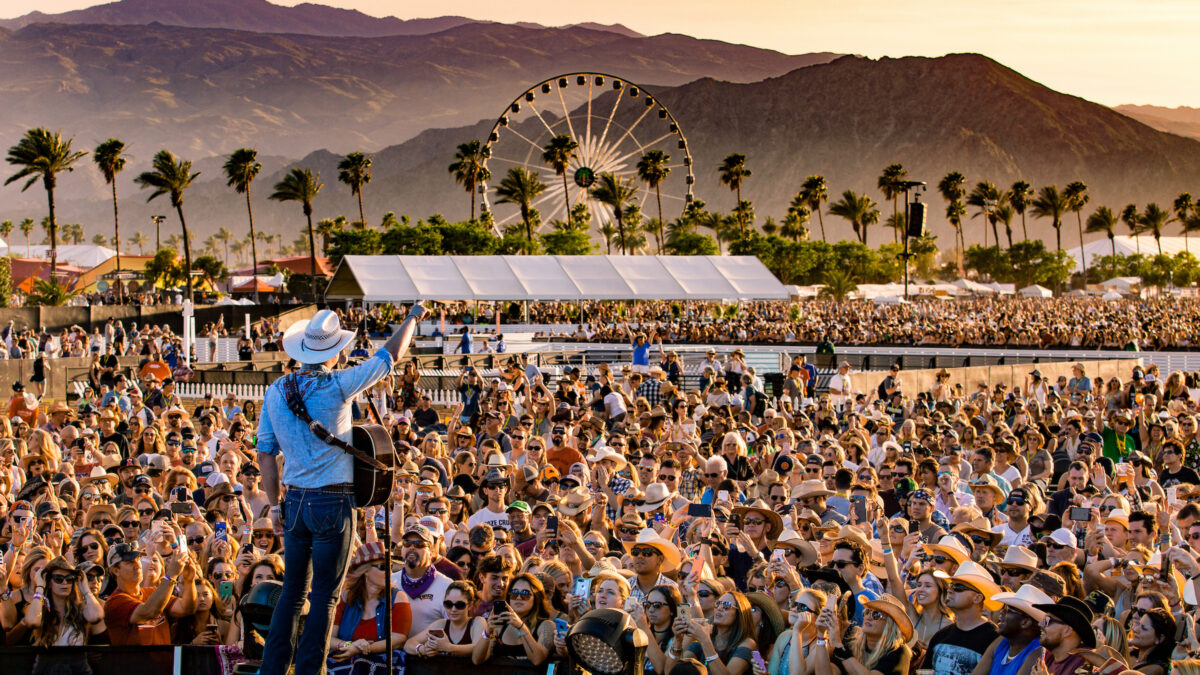
Music festivals were once niche gatherings designed primarily for dedicated fans and local music communities.
Today, they are global entertainment businesses generating billions of dollars in economic activity.
Major festivals attract hundreds of thousands of attendees, secure lucrative sponsorship deals, drive tourism, and command worldwide media attention. What began as celebrations of music have evolved into some of the most powerful brands in entertainment.
For organizers, artists, sponsors, and host cities, music festivals have become much more than concerts.
They have become economic engines.
The Rise of the Festival Economy
Over the past two decades, the festival business has expanded dramatically.
Audiences increasingly value experiences over physical products, and live entertainment has benefited from that shift.
Rather than attending a single concert, many fans are willing to travel significant distances for multi-day events that combine music, food, art, technology, and social experiences.
Festivals create an environment that feels larger than any individual performance.
For attendees, the event itself becomes part of the attraction.
Multiple Revenue Streams
One reason festivals have become such successful businesses is their ability to generate income from multiple sources.
Revenue may include:
- Ticket sales
- VIP packages
- Sponsorship agreements
- Food and beverage sales
- Merchandise
- Licensing deals
- Streaming rights
- Brand activations
This diversified business model helps organizers maximize revenue while creating opportunities for corporate partners seeking access to highly engaged audiences.
The result is a business that extends far beyond the music itself.
Artists Benefit Too
Music festivals have become important parts of touring strategies for performers.
Major festivals provide exposure to large audiences, media attention, and significant performance fees.
For emerging artists, festivals offer opportunities to reach new fans and industry professionals.
For established acts, headline appearances can strengthen brand visibility and reinforce cultural relevance.
Many artists now view festival appearances as essential components of their annual touring schedules.
Sponsorship Drives Growth
Corporate sponsorship has become one of the most important drivers of festival growth.
Brands seek opportunities to connect with consumers in memorable and engaging environments.
Music festivals provide ideal settings for experiential marketing campaigns.
Sponsors often create interactive installations, exclusive experiences, and branded attractions that become attractions in their own right.
These partnerships provide financial support while enhancing the overall event experience.
Festivals Boost Local Economies
The impact of music festivals extends well beyond event grounds.
Hotels, restaurants, transportation companies, retailers, and local attractions frequently benefit from increased visitor spending.
Large festivals can generate millions of dollars in economic activity for host communities.
Cities often compete aggressively to attract major events because of their tourism and economic benefits.
The relationship between festivals and local economies has become increasingly important as destinations seek new ways to attract visitors.
The Future of Live Experiences
Technology continues changing how audiences consume entertainment.
Streaming platforms provide unlimited access to music, and social media connects artists directly with fans.
Yet live experiences remain uniquely valuable.
People continue seeking shared moments, community, and memorable events that cannot be replicated online.
Music festivals deliver all three.
As demand for experiences continues growing, festivals are likely to remain among the most influential and profitable sectors of the entertainment industry.
For many fans, the music may be the reason they attend.
But the experience is what keeps them coming back.
Related ShowBiz Originals
- The Business Behind Stadium Tours
- Why Concert Tours Have Become Music’s Biggest Business
- How Entertainment Companies Build Global Brands
- How Fan Communities Became The Most Powerful Force In Entertainment
- How Celebrities Make Money Beyond Movies And Music
About ShowBiz Originals
ShowBiz Originals delivers exclusive analysis, commentary, and insights covering the business of entertainment, movies, television, music, streaming, gaming, technology, and celebrity culture.