
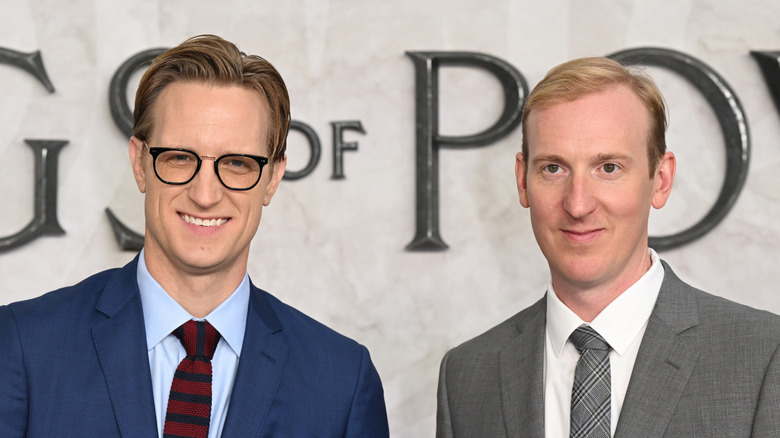
“The Lord of the Rings: The Rings of Power” showrunners Patrick McKay and JD Payne are addressing the divided audience response to the series as they prepare to unveil a third season they believe represents a step forward in their storytelling.
The Prime Video fantasy drama has drawn a mixed reception across its first two seasons. Season 1 attracted considerable attention, while Season 2 continued to top streaming charts during its run. At the same time, the show’s creative choices have polarized viewers and generated substantial criticism.
McKay told SFX magazine, in comments reported by GamesRadar, that audience opinion matters to the creative team — but does not determine every decision.
“We would be bad at our job if we didn’t care somewhat what people think of it,” McKay said. Addressing dissatisfied viewers, he added: “That doesn’t mean that they’re suddenly in charge.”
The showrunners are listening to both positive and negative feedback, including constructive criticism. McKay also said he and Payne scrutinize their own work closely as they decide what should be carried forward and what needs improvement.
“We listen to what people say, and we want people to love it,” McKay said, “but we are our hardest, harshest critics. What’s working and what’s not working, we’re going to learn from.”
Season 3 Is Being Positioned as a Fresh Entry Point
That process has helped shape expectations for Season 3, which is being billed as a soft reboot. In an interview with IGN, McKay called the coming season “a great jumping-on point for fans,” potentially giving viewers who struggled with the dense lore and complex plotting of the first two seasons another way into the story.
The first two installments featured a large number of names, places, events, characters and storylines drawn from J.R.R. Tolkien’s world. Season 3 is expected to bring the narrative into greater focus as the series approaches the midpoint of its planned five-season arc.
There have also been hints that the new season may spend less time with the Harfoots. That possibility remains unconfirmed, but such a change could create more room for other storylines.
Whatever the final balance looks like, McKay believes the series has reached a new level of creative assurance.
“We’re getting more confident in our storytelling,” he told SFX, “and in Season 3, we feel like the show has hit its stride.”
Why Early Reaction Could Not Reshape Season 2
The timing of production limited how much McKay and Payne could respond to Season 1 criticism in the second season. Although the debut marked an experiment in presenting Tolkien’s world through serialized television rather than the movie format in which it had typically been adapted, most of Season 2 had already been written by the time viewers saw Season 1.
McKay explained that production reality during a 2022 Vanity Fair interview conducted while work on the sophomore season was underway.
“In terms of how [viewer reactions] impacted Season 2, we wrote most of Season 2 before Season 1 came out,” he said. “We’re refining the last bits of it now as we’re starting to shoot. But really, the cake was kind of baked before the audience response came in.”
Season 3 gave the showrunners a different opportunity. Payne and McKay had years to plan, write and shoot the next installment of their Second Age story after receiving extensive audience feedback. That makes the coming chapter a more meaningful test of how the team has processed reactions to the first two seasons while maintaining control of its larger narrative.
ShowBiz Take
The key distinction in McKay’s response is between listening to an audience and handing over creative authority. The showrunners are not dismissing the backlash, but they are also not presenting Season 3 as a project governed entirely by online reaction.
That balance matters because Season 2 was largely unable to reflect the response to Season 1: most of its scripts were already completed. Season 3 is the first installment developed with significantly more time to consider what viewers praised, what confused them and what failed to connect.
Calling the season both a soft reboot and a jumping-on point signals an effort to make the story easier to enter without abandoning the planned five-season structure. McKay and Payne’s confidence that the show has now found its stride will ultimately be measured against the same divided audience they say they respect but will not allow to take charge.
What Happens Next?
“The Lord of the Rings: The Rings of Power” Season 3 will arrive on Prime Video on November 11, 2026. Its release will reveal how far the soft-reboot approach goes — and whether the showrunners’ response to years of audience feedback can bring more viewers into the next stage of the story.