
YouTube is stepping up efforts to remain the main destination for leading creators as Netflix, Disney+, Tubi and other streaming services pursue talent with original-programming deals, wider business support and offers worth millions of dollars.
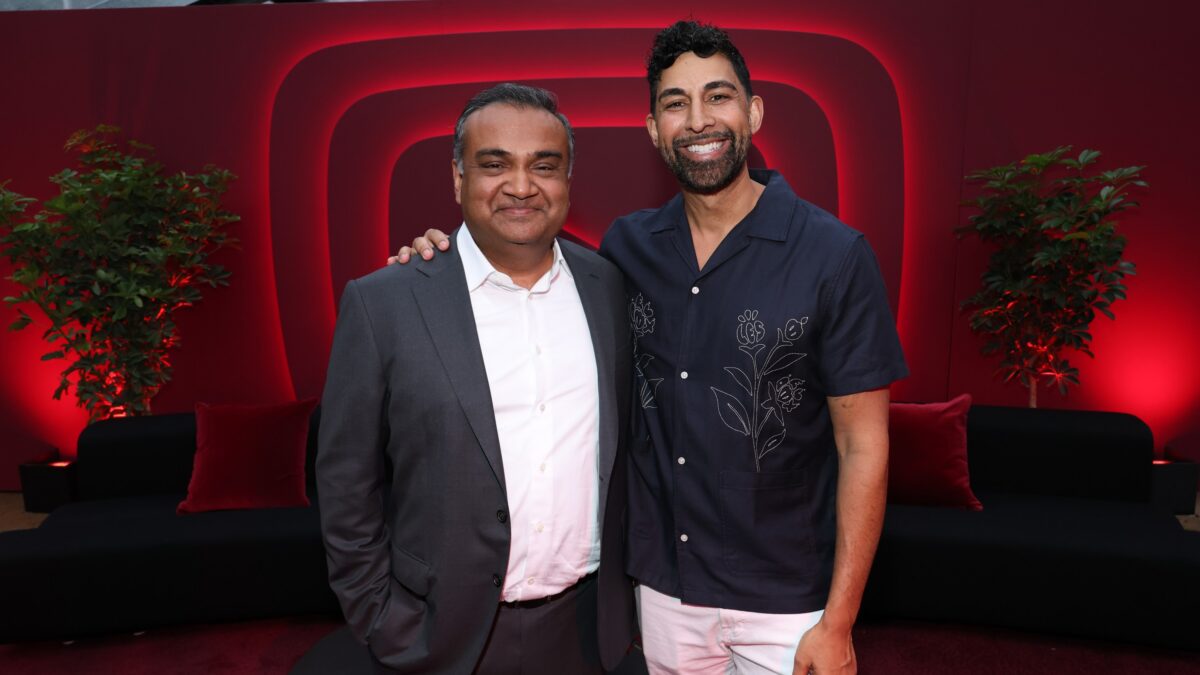
The growing competition was unmistakable around YouTube’s annual Made on YouTube event, held Sept. 23 at Pier 57 in New York City. A couple hundred prominent creators attended the showcase, where the Google-owned platform previewed initiatives including new AI video-editing tools. This year, however, rival platforms were also a major part of the conversation.
According to reporting by The Hollywood Reporter, YouTube is responding with a combination of expanded incentives and potential consequences designed to keep creators from shifting their primary allegiance elsewhere.
Streamers chase proven creator audiences
Netflix’s push initially centered on children’s and family programming. The service licensed YouTube-native content from CoComelon, Ms. Rachel and Mark Rober, all of which became among its most-watched programs in the category. Netflix then ordered original projects from them and expanded its outreach to creators including food personality Nick DiGiovanni, Good Mythical Morning’s Rhett & Link and teen-content creator Alan Chikin Chow.
LightShed analyst Rich Greenfield believes Netflix has committed more than $1 billion to creator and podcast programming over the next three years. That would still represent a small portion of the company’s reported $20 billion annual content budget.
Disney, which has worked with creators for years, has recently struck deals involving Dhar Mann, Dude Perfect and Like Nastya as it searches for family-friendly talent suited to Disney+. The company also brought approximately 350 creators to an event at the El Capitan Theater and Disney Studios Lot. A significant element of Disney’s Dude Perfect agreement was support in areas including consumer products and live experiences.
Fox-owned Tubi, meanwhile, has completed deals with dozens of creators covering both original projects and existing library programming. Within the creator community, there is also hope — not confirmation — that Skydance could pursue similar opportunities, particularly because new co-CEO Ynon Kreiz previously served as CEO of Maker Studios.
The appeal for streamers is rooted in audience, cost and production speed. Creators can potentially attract younger, digitally native viewers while producing programming more quickly and cheaply than traditional entertainment. One major creator with a streaming deal said they told their new partner that an hour of programming could be made for perhaps 10 percent or less of the cost of a conventional comedy, drama or unscripted project.
Creators also gain access to financing for ideas they might otherwise have to fund themselves. “It’s a very good time to be in the creator business,” Home Game Studios CEO Adam Wescott said of the heightened demand.
YouTube mixes support with hardball tactics
YouTube has substantially increased its resources around brand partnerships, which some creators view as a way to finance ambitious videos. Unlike Netflix and similar services, YouTube does not pay to license programming in the same way.
Advertising is central to the wider contest. Tubi operates with advertising, while Netflix and Disney are placing greater emphasis on their ad-supported products. Wescott described brand endorsements and influencer marketing as accounting for “90 percent of the revenue” in the creator sector.
YouTube CEO Neal Mohan has publicly characterized other platforms’ interest as flattering to creators. He also pointed to MrBeast, who makes Beast Games for Prime Video while continuing to treat YouTube as his home base.
Behind the scenes, however, some creators have been surprised by YouTube’s tougher posture. The platform chooses a small group of creators for appearances at its annual Brandcast upfront, where exposure can lead to major deals, and has supported Emmy campaigns in selected categories. Creators who move their allegiance to competitors could lose that backing.
Netflix and Disney have already promised to feature creators at their own upfront presentations next year and help finance some Emmy campaigns, according to sources cited in the reporting.
YouTube has also suggested that creators working closely with rival services might no longer qualify for YouTube Select, its advertising program for top creators. That possibility caught some talent off guard because the program had been viewed as an objective offering based on audience reach and scale for videos appearing on YouTube.
“That was never their approach in the past,” Wescott said. “It was always about supporting creators and reminding them why YouTube was their home.”
YouTube has also highlighted the creative freedom associated with its platform. Earlier in October, comedian Lilly Singh returned after a years-long YouTube hiatus and resumed making original videos following her work in Hollywood. In an interview published on YouTube’s blog, Singh criticized notes aimed at making projects “more palatable,” “more marketable” or “less niche,” calling that process “fundamentally anti-creative.”
ShowBiz Take
This fight matters because creators are no longer being treated simply as promotional partners or social-media personalities. Netflix, Disney+ and Tubi are commissioning or acquiring their programming, while YouTube is deploying advertising resources, industry showcases and awards support to protect its relationships.
Yet the competition does not necessarily point to a mass departure from YouTube. None of the creators or representatives cited in the reporting suggested that successful talent plans to abandon the platform completely. YouTube remains where many built their audiences, businesses and direct control over what they publish, even as other services can supply money and opportunities for separate originals.
What Happens Next?
The likeliest outcome is a more strategic, multi-platform creator economy. Talent can continue distributing self-funded work on YouTube while developing selected projects with Netflix, Disney+, Tubi or other buyers. As Spotter president Nic Paul put it, creators increasingly must “start thinking like a CEO” about distribution and where their next opportunity will come from.
With creator-owned studios multiplying and traditional streamers seeking faster, lower-cost programming, the choices made by a relatively small group of high-profile talent could help shape the next stage of streaming entertainment.