
Why This Matters
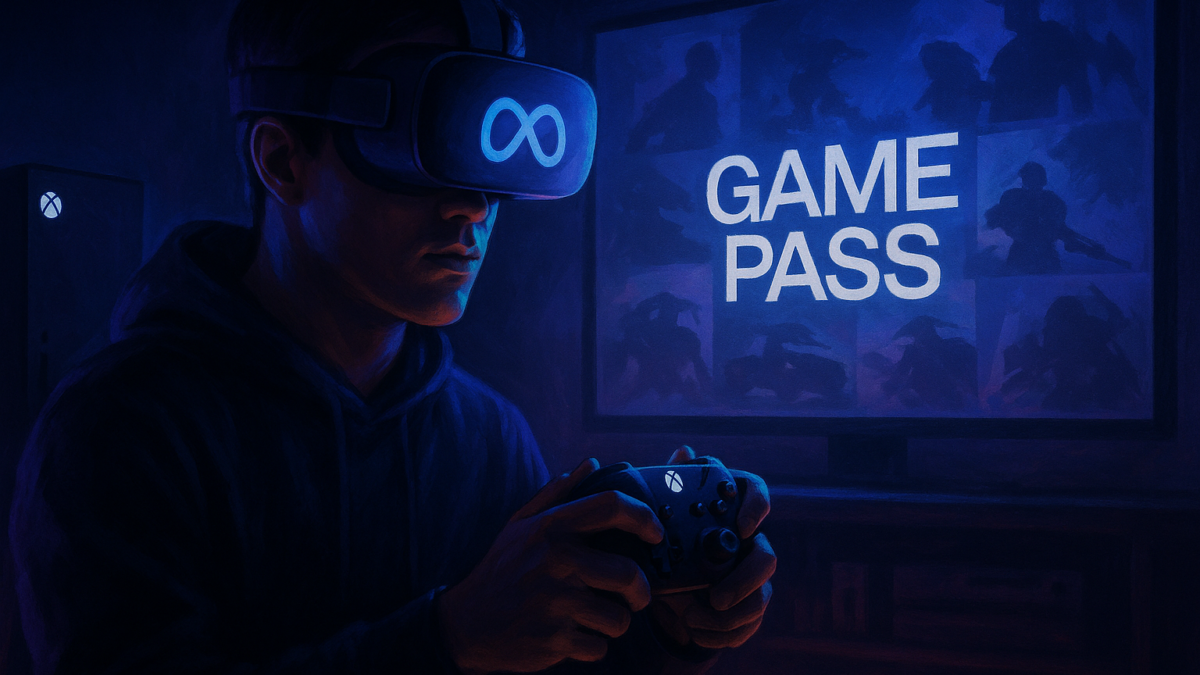
Xbox and Meta are tightening their gaming relationship with a new perk for Meta Horizon+ members: eligible subscribers can now receive access to a starter edition of Xbox Game Pass in supported markets. The benefit includes a curated library of more than 50 games, up to 10 hours of cloud gaming per month, and access to rewards tied to play.
The move gives Meta another entertainment hook for its Horizon+ subscription while giving Xbox a broader on-ramp for Game Pass at a time when the company is looking beyond the traditional console cycle. Rather than asking users to buy dedicated hardware first, Microsoft is increasingly positioning Xbox as a service that can follow players across screens, headsets and devices.
For Meta, the addition is a practical attempt to make Quest headsets feel less like single-purpose VR devices and more like broader entertainment platforms. The company has spent years trying to establish virtual and mixed-reality hardware as a daily-use category, but consumer behavior has often centered on bursts of gaming, fitness or social activity. Bundling a recognizable gaming service into Horizon+ gives subscribers another reason to return regularly.
The offer also lowers the friction for players curious about cloud gaming. A user who owns a compatible Meta Quest device and subscribes to Horizon+ can sample Xbox Game Pass without immediately committing to a full separate plan. That matters because subscription fatigue is real, especially in entertainment, where consumers are already juggling video, music, sports and gaming services.
For Xbox, the benefit works as a discovery tool. A starter tier with a limited monthly cloud allotment gives players a taste of the Game Pass ecosystem, including recognizable titles and the convenience of streaming, while preserving a path toward higher-value subscriptions. In the same way free trials once helped build streaming video habits, limited access can serve as a pipeline into full membership.
The partnership also reflects how gaming companies are rethinking distribution. The industry has spent decades defined by boxes under the television, but the next phase is more fragmented. Players may start a game on a console, continue on a phone, check in through a browser or use a headset as a giant virtual display. Xbox has been one of the most aggressive companies in embracing that shift, and Meta now gets to attach itself to that broader ambition.
Industry Context
Microsoft and Meta have already established a foothold together on Quest devices, where the Xbox cloud gaming experience has been available to players with compatible subscriptions and controllers. The latest move deepens that relationship by tying Xbox access directly to Meta’s own subscription offering, making the service part of Meta’s customer-retention strategy rather than simply another app users can open.
That distinction is important. Subscription bundles have become a defining tactic across media and technology. Streaming services partner with mobile carriers, retail memberships add video libraries, and gaming services increasingly look for distribution through hardware makers, storefronts and platform ecosystems. Bundling helps companies improve perceived value without necessarily cutting headline prices.
Gaming subscriptions have not followed the exact path of film and television streaming. Consumers tend to spend longer with individual games, and blockbuster releases can still drive major one-time purchases. But Game Pass has changed expectations around access, particularly for players who want a rotating library rather than a shelf of individually purchased titles. By extending a smaller version of that model to Horizon+ users, Xbox can reach players who might not otherwise seek it out.
Meta, meanwhile, continues to look for ways to make its metaverse investment feel tangible to mainstream consumers. Horizon+ offers access to rotating VR titles and experiences, but the broader Quest pitch has increasingly leaned into mixed reality, fitness, media viewing and conventional gaming. Bringing Xbox cloud access into that equation helps Meta communicate that its headsets can support familiar entertainment habits, not only experimental virtual worlds.
The timing also lands as the games business faces a more cautious spending environment. Hardware sales have been uneven, development costs remain high, and major publishers are scrutinizing where growth will come from next. Cloud gaming has not replaced consoles or PCs, but it continues to serve as an important strategic layer: a way to reach users who may not own expensive hardware or who want to play in more flexible settings.
For developers and publishers, broader Game Pass access can cut both ways. More discovery can help catalog titles find new audiences, particularly older games or smaller releases that benefit from reduced barriers to entry. At the same time, the economics of subscription exposure remain a frequent industry debate, especially as studios weigh upfront licensing fees against traditional sales and long-term player engagement.
What Happens Next?
The immediate question is whether the starter edition becomes a meaningful conversion funnel. If Horizon+ subscribers use their monthly cloud-gaming hours and then upgrade to a fuller Game Pass plan, the partnership could become a model for how Xbox expands through third-party subscriptions. If engagement is light, it may function more as a value-add than a major growth engine.
Availability will also matter. The benefit is launching where supported, and cloud gaming remains dependent on regional infrastructure, device compatibility, account eligibility and network quality. A seamless experience could encourage repeat use; a laggy or confusing one could limit the appeal, particularly among casual users who are trying Game Pass for the first time through Meta’s ecosystem.
Expect both companies to watch usage data closely: which games attract Horizon+ members, how often players return, whether rewards drive behavior, and how many users exhaust the monthly 10-hour allotment. Those metrics will likely determine whether the catalog expands, the perk changes, or the partnership evolves into a more prominent part of Meta’s headset marketing.
The larger takeaway is that Xbox and Meta are betting on a future where gaming access is less tied to a single device and more connected to services, subscriptions and screens. For players, that means more ways to sample games without a traditional console purchase. For the industry, it is another sign that the battle for attention is moving beyond hardware specifications and into the everyday ecosystems where audiences already spend their time.