
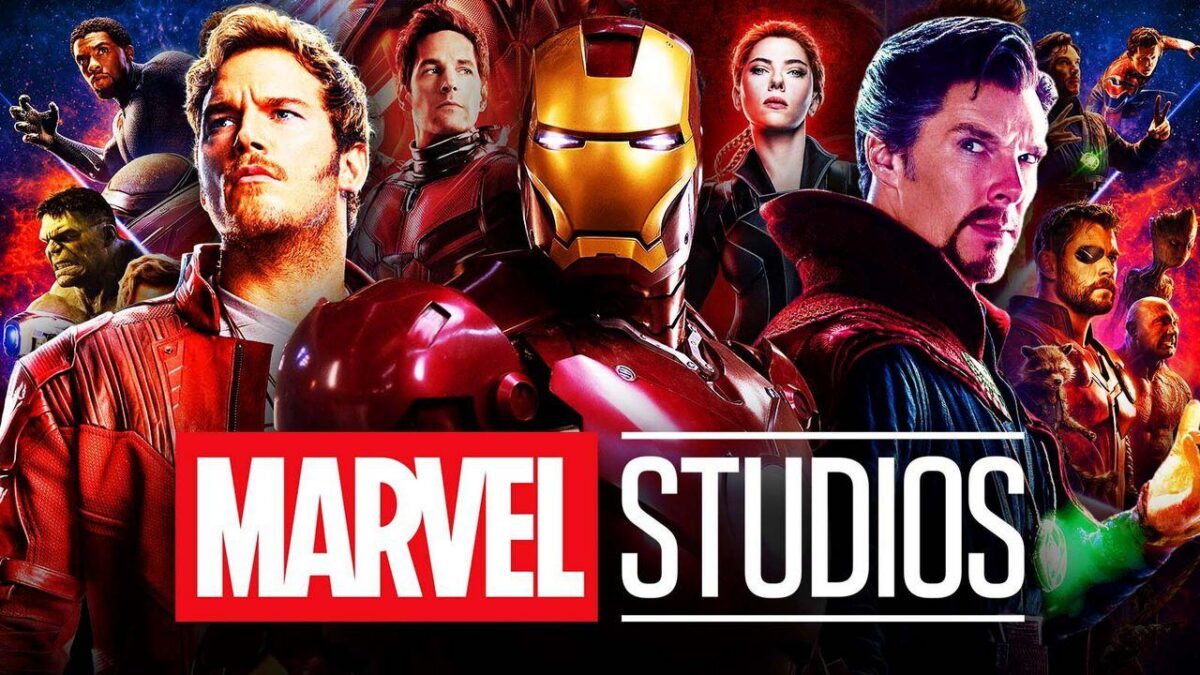
Marvel Studios used its D23 showcase this weekend to make its clearest declaration yet that the X-Men are no longer just a legacy asset waiting in the wings: they are being built into the center of the Marvel Cinematic Universe.
In a panel already stacked with crowd-pleasing moments — including a new look at Avengers: Doomsday and appearances by Robert Downey Jr., Chris Evans and Hayley Atwell — Marvel chief Kevin Feige brought out the first announced members of the MCU’s mutant roster. Sadie Sink was introduced as Jean Grey, Kit Connor as Scott Summers, also known as Cyclops, while additional mutant heroes and the first major villain of Marvel’s X-Men era were confirmed during the presentation.
For a fan base that has spent years parsing rumors, cameos and post-credit teases, the reveal carried unusual weight. This was not a nostalgic nod to the Fox films, nor another multiverse cameo designed to spark applause and vanish. It was Marvel signaling the beginning of a long-term X-Men plan, with a new generation of performers positioned to carry one of the company’s most valuable comic-book brands into the next decade.
Among the names unveiled, the casting that appeared to ignite the strongest reaction among Marvel die-hards was Connor as Cyclops. While Jean Grey has often been treated as the emotional center of X-Men stories onscreen, Scott Summers remains one of the most debated figures in the franchise: a field leader, strategist and moral traditionalist whose cinematic portrayals have often left comic readers wanting more.
That is precisely why the casting landed. Connor, best known for his breakout work in Heartstopper, brings a combination of earnestness, restraint and intensity that fans immediately began connecting to Scott’s complicated place inside the X-Men mythology. Cyclops is not the flashiest mutant, but he is the spine of the team when written well. For many longtime readers, the idea of Marvel treating him as a lead rather than a supporting figure is the most promising sign in the announcement.
A New Center of Gravity for Marvel
The X-Men arrive at a pivotal moment for Marvel Studios. After years of box-office dominance, the studio has been recalibrating its theatrical and streaming strategy, slowing its output and placing renewed emphasis on event-level storytelling. The mutants offer something Marvel has not had in full since the Disney-Fox deal closed: a massive, deeply emotional ensemble with its own mythology, villains, schools of thought and generational conflicts.
The Fox-era X-Men films helped prove that superhero teams could become global box-office attractions, but they also left major characters underexplored. Cyclops, Storm, Rogue, Gambit and others frequently competed for oxygen with Wolverine, Magneto, Professor X and Jean. Marvel now has the chance to reintroduce the property from the ground up, with the benefit of two decades of audience familiarity and a much larger interconnected universe.
Sink’s casting as Jean Grey also gives the new franchise an instantly recognizable anchor. The actor’s work on Stranger Things made her a favorite among genre audiences, and Jean is one of the richest roles in the X-Men canon: compassionate, powerful, haunted and historically tied to some of Marvel’s most consequential stories. The challenge for Marvel will be resisting the urge to rush toward familiar Phoenix material before establishing Jean as a person, teammate and young woman negotiating terrifying power.
Connor’s Scott, by contrast, represents a different kind of test. Cyclops is easy to flatten if reduced to “the responsible one” or the romantic obstacle in a Jean-Wolverine dynamic. The comic-book version is more interesting: disciplined because he has to be, emotionally guarded because his powers make ordinary life dangerous, and burdened by a leadership role he both accepts and resents. If Marvel gets that version right, it could rehabilitate one of the most important X-Men in the eyes of general audiences.
Why the Villain Choice Matters
The confirmation of the first major antagonist is just as important as the hero lineup. X-Men stories are defined by ideology as much as spectacle. The best villains are not simply threats to be defeated; they force the team to confront questions about prejudice, survival, assimilation, power and identity. That is what separates the property from many other superhero franchises.
Marvel’s choice of villain will likely indicate the tone of its first mutant chapter. A grounded adversary could frame the X-Men as outsiders navigating fear and political hostility. A larger-than-life genetic manipulator or cosmic-level threat would point toward a more operatic opening swing. Either path carries risk. Go too small, and the launch may feel underpowered for such a long-awaited debut. Go too big, and Marvel risks skipping the intimacy that makes the X-Men resonate.
The D23 presentation seemed designed to reassure both casual moviegoers and longtime readers. The familiar Marvel showmanship was there — legacy stars, major trailers, applause breaks — but the X-Men reveal suggested a more deliberate rebuild. Instead of leaning solely on returning Fox favorites, Marvel is beginning to define its own mutant generation.
That distinction matters. The MCU has already used multiverse storytelling to celebrate past eras, including beloved performers from earlier Marvel films. But the X-Men cannot survive as a nostalgia act. To become a pillar of the franchise, the team needs its own chemistry, conflicts and point of view. Casting is the first step in convincing audiences that these are not replacements, but a new interpretation.
What Happens Next
Marvel is expected to keep the mutant rollout carefully staged, with additional casting announcements likely tied to future fan events, trade confirmations or production milestones. Key roles still to be clarified include how the studio will handle Wolverine, Storm, Rogue, Beast, Professor X and Magneto — characters whose casting will shape the public’s perception of the entire franchise.
The next major question is whether the X-Men will be introduced directly in their own film or seeded through other MCU projects before fully assembling. With Avengers: Doomsday already positioned as a major bridge in Marvel’s evolving saga, the studio has multiple pathways to bring mutants into the broader continuity without overwhelming the story.
For now, the D23 reveal has done what Marvel needed it to do: turn years of speculation into a tangible future. The enthusiasm around Connor’s Cyclops suggests fans are not just waiting for the biggest name or the most obvious character. They are watching for signs that Marvel understands what makes the X-Men work. If this first wave is any indication, the mutant era is being built with that expectation firmly in mind.