
Why This Matters
Paramount Skydance’s decision to accept a longer runway before closing its proposed acquisition of Warner Bros. Discovery is being read in some corners as a setback. It may be the opposite. By agreeing not to consummate the deal until June 2027, or until five days after the conclusion of a trial challenging the transaction, David Ellison is signaling that his company can withstand the clock.
That is a notable posture in a sector where deal momentum often functions as its own currency. Media mergers are typically sold to investors, employees and creative partners as urgent transformations: scale must be achieved quickly, savings must be captured immediately, and competitive positioning cannot wait. Paramount Skydance’s willingness to slow the process suggests confidence that the strategic logic of the transaction will remain intact even after months of legal scrutiny.
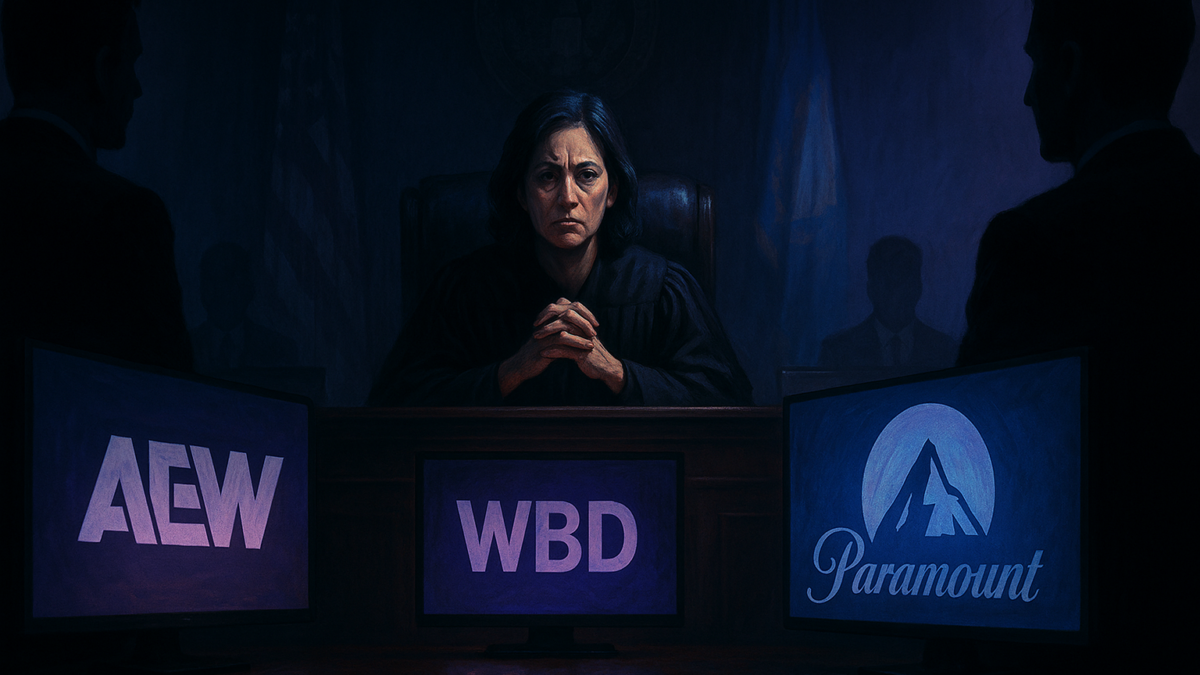
The delay follows a lawsuit from attorneys general in 12 states seeking to block the Warner Bros. Discovery acquisition on antitrust grounds. Their argument is straightforward: combining two major Hollywood studios, large television portfolios, deep film libraries and streaming assets could reduce competition in content, distribution and consumer choice. A judge had already put the deal on pause, despite prior approvals from other relevant authorities, turning the transaction into one of the most closely watched media antitrust fights in years.
For Ellison, the ability to wait matters because it reframes the power dynamic. A buyer under pressure might try to renegotiate, accelerate concessions or walk away from an uncertain asset. Paramount Skydance is instead projecting patience. That matters to Wall Street, where patience can be interpreted as balance-sheet strength; to regulators, where a rushed posture can look defensive; and to Hollywood, where stability is prized amid a punishing period of layoffs, shrinking production slates and shifting distribution models.
The move also buys Paramount Skydance time to keep refining its integration thesis. Combining Paramount’s broadcast network, sports rights, franchises and production operations with Warner Bros. Discovery’s studio pipeline, HBO brand equity, cable networks and global library would be a massive undertaking under any circumstances. Doing it while defending the transaction in court would be even more complex. A delayed closing allows management to prepare for multiple outcomes without prematurely forcing operational changes across two sprawling companies.
Industry Context
The entertainment business has been consolidating for more than a decade, but the rationale has evolved. Earlier waves of dealmaking were driven by the need to control both content and distribution. Today’s consolidation is increasingly about survival in a marketplace where streaming economics remain unforgiving, linear television is eroding faster than many companies can offset, and technology giants operate with far deeper pockets than traditional studios.
Paramount and Warner Bros. Discovery each entered this moment with valuable assets and familiar challenges. Paramount has CBS, a strong sports and news footprint, a major film studio and franchises that still resonate globally. Warner Bros. Discovery brings Warner Bros., DC, HBO, Max, CNN, Discovery’s unscripted engine and one of the richest libraries in entertainment. Together, they could create a company with far greater negotiating leverage across streaming, theatrical, advertising, sports, licensing and international distribution.
That scale is precisely what has drawn regulatory attention. State attorneys general have become more aggressive in challenging mergers they believe could concentrate too much power, particularly in industries that shape consumer access, pricing and public discourse. Entertainment is no longer viewed solely as a glamour business; it is part of the information economy, the advertising market and the broader technology-media ecosystem. A merger of this size inevitably invites questions about whether bigger media companies mean better competition or fewer meaningful choices.
The legal fight also lands at a moment when Hollywood labor and creative communities are already wary of consolidation. Writers, directors, actors and producers have seen what can happen after large mergers: overlapping departments are cut, development pipelines narrow, and risk tolerance can decline as debt reduction and synergy targets take priority. Even when executives promise creative expansion, the early months after a merger often revolve around cost discipline.
Still, the industry’s counterargument is equally powerful. Legacy media companies are not competing only with one another. They are competing with Netflix, Apple, Amazon, YouTube and TikTok for attention, talent and household spending. From that perspective, combining Paramount and Warner Bros. Discovery may be framed less as an attempt to dominate Hollywood and more as an effort to create a studio-scale enterprise capable of standing up to platforms that already command global reach.
That tension is why the delay is so significant. The court battle will not merely determine the fate of one transaction. It could help define how regulators view media consolidation in the streaming era. If the states succeed, future studio mergers may face a steeper climb. If Paramount Skydance prevails, the decision could embolden additional combinations among companies still trying to solve the profitability puzzle of modern entertainment.
What Happens Next?
The immediate path is legal, not operational. Paramount Skydance and Warner Bros. Discovery will need to defend the transaction in court while preserving enough business continuity to keep both companies functioning in a turbulent marketplace. The agreement to delay closing reduces the risk of a premature integration scramble and gives the parties a clearer framework: either wait until June 2027 or move shortly after the trial concludes, depending on how the process unfolds.
Investors will be watching for signs that the delay does not erode the deal’s financial logic. That means scrutiny of debt markets, streaming subscriber trends, advertising weakness, theatrical performance and any shifts in the valuation of WBD’s cable networks. The longer a merger remains pending, the more time there is for market conditions to change. Ellison’s challenge will be maintaining confidence that the combined company envisioned today will still make sense when the legal dust settles.
Employees and creative partners will be watching for a different signal: reassurance. Pending mergers can freeze decision-making, complicate talent negotiations and leave executives uncertain about budgets and mandates. Both companies will need to keep greenlighting, marketing and distributing projects while avoiding the perception that everything is on hold until a courtroom delivers clarity.
The most consequential question is whether Paramount Skydance’s patience becomes a strategic advantage. If the company can navigate the lawsuit without losing financing, partner confidence or internal momentum, the delay may ultimately strengthen its hand. It demonstrates that Ellison is not chasing a quick headline or a fragile closing window. He is betting that time, in this case, favors the buyer with the capital and conviction to wait.
For now, the pause does not end the pursuit. It extends the contest. And in a media economy where endurance has become as valuable as speed, Paramount Skydance’s willingness to let the process play out may be its clearest message yet.