
Why This Matters
Chloe Fineman’s decision to depart Saturday Night Live marks the end of a defining chapter for one of the show’s most recognizable recent performers. The comedian confirmed on July 16, 2026, that she is leaving the NBC institution ahead of its 52nd season, closing out a seven-season run that helped establish her as a standout impressionist and character actor.
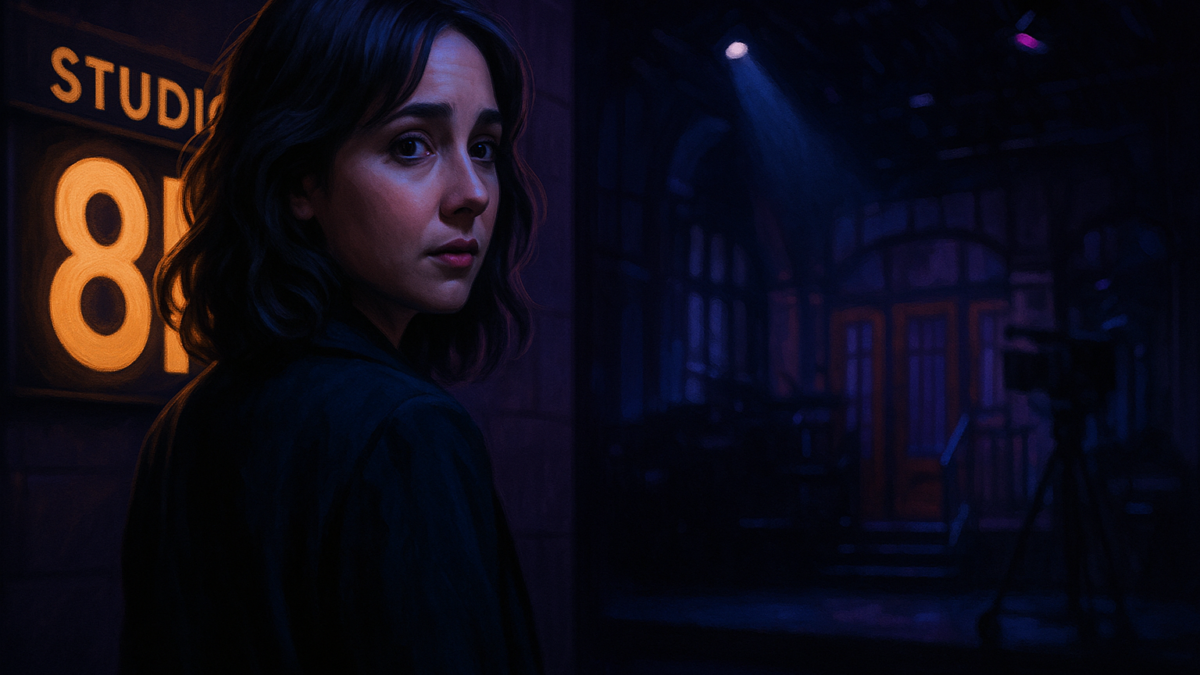
In her message to fans, Fineman framed the exit as a personal and creative turning point rather than a dramatic split. She expressed gratitude for the cast, writers, crew and viewers who supported her time at Studio 8H, while making clear that she felt ready to step into whatever comes next. The reason, in essence: after seven years inside one of television’s most demanding weekly engines, she is choosing to pursue a new chapter.
That distinction matters. Departures from SNL are often met with speculation, especially when they follow casting changes or arrive just before a new season. Fineman’s announcement appears to be less about upheaval and more about timing. Seven seasons is a substantial tenure on the show, long enough to build a signature presence and short enough to leave with momentum still intact.
Fineman joined SNL in 2019 and quickly became known for a bright, elastic comic style that translated especially well to celebrity impressions. Her ability to capture vocal rhythms, posture and social media personas made her a useful player during an era when sketch comedy increasingly had to respond not only to politics and pop culture, but also to internet fame, influencer behavior and celebrity branding.
Her exit matters for the show because performers like Fineman help define the texture of an ensemble. She was not simply a recurring presence in sketches; she gave the cast a specific kind of versatility. Whether playing heightened original characters or channeling public figures with unnerving precision, she often served as a bridge between traditional sketch performance and the digital-native comedy language that has become essential to SNL’s survival.
Industry Context
Saturday Night Live has always been built around turnover, but the timing of Fineman’s departure is notable. Her announcement comes less than a year after a major cast shakeup, placing the series in another period of transition as it prepares for season 52. For a show that sells continuity as much as surprise, losing a seasoned player can shift the balance of the ensemble quickly.
That is not necessarily a negative. SNL has historically refreshed itself through exits as much as arrivals. The departures of established cast members open room for newer performers to develop identities, claim recurring characters and become more visible in cold opens, pretaped segments and weekend sketches. But the loss of a performer with Fineman’s skill set leaves a very specific space to fill.
Impressionists have long been central to the show’s DNA. From political impersonations to celebrity sendups, the ability to mimic public figures has helped SNL remain part of the weekly conversation. Fineman’s value was that she could handle the classic assignment while also understanding the modern celebrity ecosystem — the TikTok star, the prestige actress on a press tour, the wellness-coded influencer, the self-aware media personality.
Her departure also reflects a broader reality for SNL alumni in the streaming era. The show remains a powerful launching pad, but it is no longer the only place where sketch-trained performers can build major careers. Limited series, voice roles, podcasts, touring, brand-backed digital comedy, studio comedies and creator-led streaming projects all offer pathways that did not exist in the same way for earlier generations.
For Fineman, the move makes strategic sense. A performer who has spent seven years proving she can create characters under punishing deadlines now has the credibility to develop material on her own terms. The SNL schedule is famously intense, often limiting the ability of cast members to take on outside work during the season. Leaving can create the time and flexibility needed to pursue a larger acting role, a comedy special, a scripted series or a film project.
There is also the question of post-SNL identity. Some alumni leave as household names; others leave as industry favorites with room to broaden their appeal. Fineman falls into an intriguing middle category: widely admired by comedy fans, highly recognizable to regular viewers and still early enough in her career to surprise audiences with the next move.
What Happens Next?
Fineman has not positioned her departure as a retreat from the spotlight. If anything, her farewell suggests the opposite: she is leaving at a moment when she can convert her SNL visibility into a more self-directed career. The next logical step could be a scripted comedy vehicle that gives her room to build original characters beyond the three-to-five-minute sketch format.
She may also continue leaning into the kind of performance that made her a breakout on the show. Her impressions and character work translate naturally to film, television and digital formats, particularly at a time when studios and streamers are hungry for distinctive comedic voices with built-in audience awareness. A character-driven series, a voice role in animation or a sharp supporting turn in a studio comedy would all fit her strengths.
For SNL, the immediate question is how the show adjusts before season 52. Producers will have to decide whether to elevate newer cast members into the lanes Fineman often occupied or bring in fresh talent with similar precision in impressions and physical comedy. Either way, her absence will be felt quickly, especially in sketches built around celebrity culture and pop-culture parody.
As with most SNL exits, the real measure of the decision will come over time. Leaving the show is a risk, but it is also the move that has allowed many alumni to define themselves more fully. Fineman departs with goodwill, a clear comic identity and enough industry momentum to make her next project worth watching.
For now, her message is simple: the Studio 8H chapter is complete. What follows will determine whether her seven years on late-night television were the peak of one career phase or the launchpad for something bigger.