
CBS
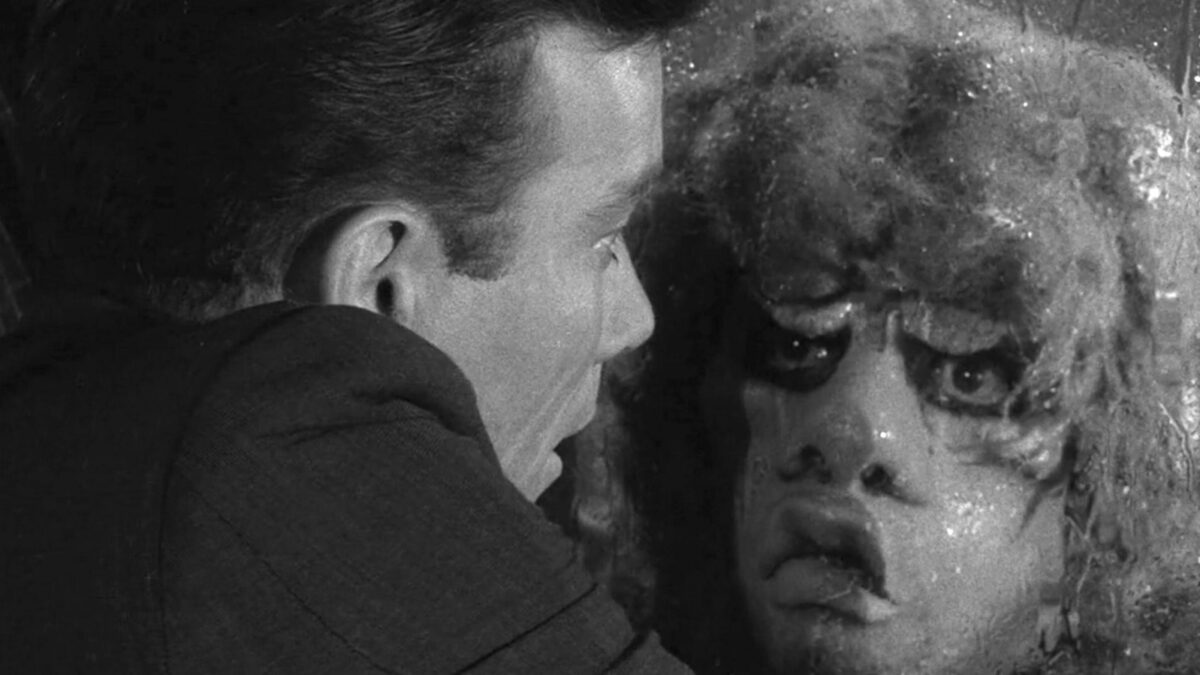
“Nightmare at 20,000 Feet” is one of the best episodes of “The Twilight Zone,” with a young William Shatner perfectly playing the part of frightened airplane passenger Robert Wilson. An uncredited stunt performer donned the costume of the gremlin terrorizing our anxious protagonist, but the performer in question was actually actor Nick Cravat, who appeared in films like “The Flame and the Arrow” and “The Island of Dr. Moreau” over the course of his career.
In a 2024 interview with Television Academy, Shatner said he was “of two minds” about filming “Nightmare at 20,000 Feet,” as he was worried that the horror elements could potentially come off as humorous. “And then when I saw the suit that the Czechoslovakian acrobat was dressed in, I thought, ‘Well, I hope this isn’t laughed at,'” the “Star Trek” actor stated, referring to Cravat’s fur-laden costume.
Thankfully, this Richard Matheson story (directed by Richard Donner) reads as an enduring metaphor for the fear of flying, with the gremlin representing our collective anxieties. “Since we’re talking about it [the episode] more than 60 years later, my hope seems to have come true,” Shatner concluded in the same interview.
Nick Cravat didn’t reprise his role as The Gremlin in Twilight Zone: The Movie
Warner Bros.
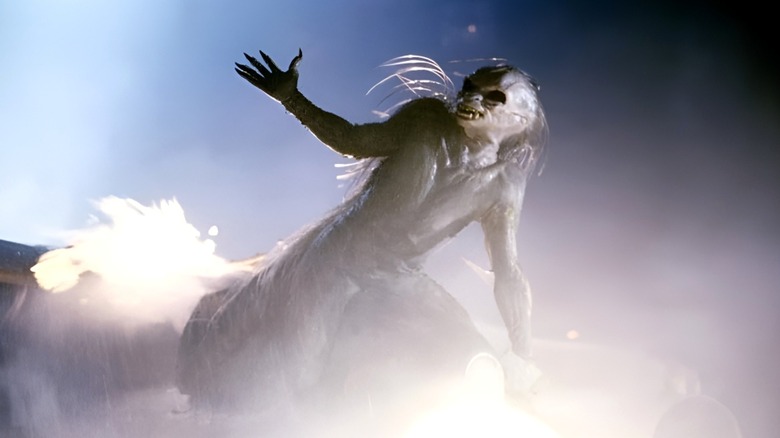
Richard Matheson’s “Nightmare at 20,000 Feet” has been adapted twice since the Shatner episode. 1983’s “Twilight Zone: The Movie” includes one interpretation of the story by George Miller, with John Lithgow as the anxious flyer who notices a gremlin (Larry Cedar) crawling up the plane’s wing. While this version of the creature is more believably scary in appearance, Matheson wasn’t too pleased with this adaptation.
“The monster in the movie was much better, although I didn’t care for the way the story was done,” Matheson told the Television Academy Foundation in 2013. The “Twilight Zone” writer went on to praise Lithgow’s performance, while noting that Shatner’s rendition of the character feels more visceral in comparison. “When Bill Shatner did it, he was trying to control himself the whole time because he’d had a mental breakdown. I think it was much more gripping that way,” Matheson stated.