
Netflix has formally confirmed that Tires will continue through a fourth season, clarifying that the pickup is part of a previously made two-year renewal covering Seasons 3 and 4 of Shane Gillis’ workplace comedy.
The confirmation gives the streamer a longer runway for one of its more distinctive recent comedy bets: a scrappy, blue-collar ensemble series built around an auto repair business, a loyal fan base and the increasingly valuable screen presence of Gillis. While the announcement does not represent a brand-new standalone order, it signals that Netflix remains committed to the show beyond its next batch of episodes.
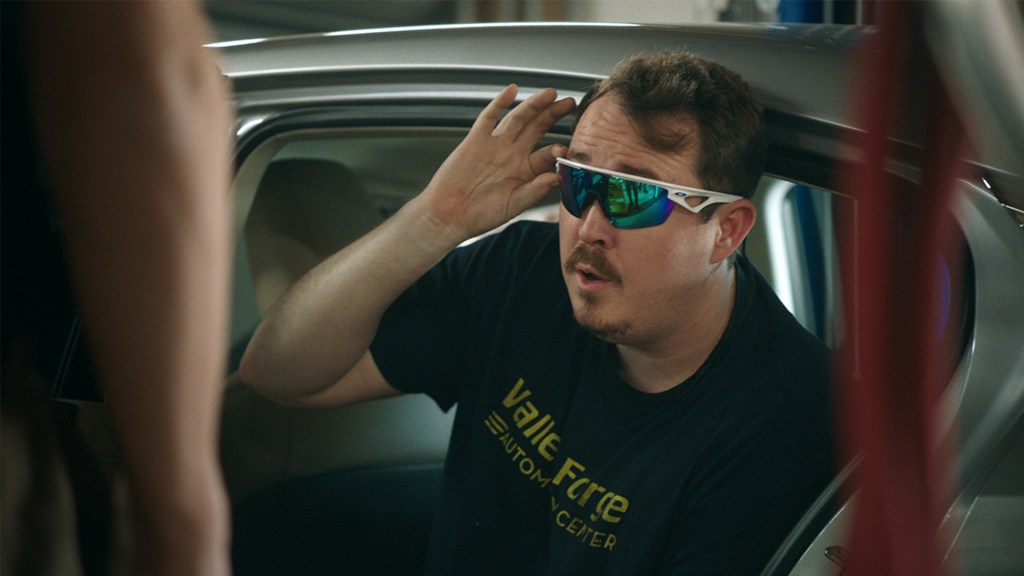
Tires centers on the employees of a struggling tire shop, with Steve Gerben starring as Will, a well-meaning manager trying to keep the family business afloat while dealing with the chaos generated by his cousin Shane, played by Gillis. The series was created by Gillis, Gerben and John McKeever, with the comedy drawing much of its appeal from awkward workplace rhythms, abrasive banter and the kind of low-stakes daily conflicts that can become wildly consequential inside a small business.
The Season 4 confirmation arrives at a moment when Netflix is being especially selective about scripted comedy. Half-hour series remain a crucial part of the platform’s mix, but the category has become more challenging across the streaming landscape as services weigh cost, audience retention and the ability of comedies to travel globally. In that environment, a two-season commitment is notable, particularly for a show that does not fit the glossy, high-concept mold of many streaming launches.
For Netflix, Tires offers a different kind of value proposition. The series is relatively contained, built around a recognizable central location and powered by performers with established comedy followings. That makes it potentially efficient to produce while still giving the platform a title that can stand out in a crowded library. It also gives Netflix another foothold in the overlap between stand-up comedy audiences and scripted programming, an area where the company has invested heavily for years.
Gillis has become one of the most commercially potent stand-up comics of his generation, with a fan base that has proven highly engaged across touring, podcasting and streaming. Netflix has increasingly looked to comics not only for specials but also as engines for broader entertainment franchises. In that respect, Tires functions as more than a single sitcom: it is part of a larger strategy to convert live-comedy momentum into repeat viewing.
The two-year renewal structure also matters creatively. Multi-season orders can give comedy teams a level of stability that is increasingly rare in streaming television, where many shows wait months for renewal decisions after release. Knowing there is a path through Seasons 3 and 4 allows writers and producers to plan character arcs, build recurring storylines and avoid treating every season finale as a potential series finale.
That stability can be especially important for workplace comedies, which often deepen over time. Shows in the genre typically rely less on premise and more on chemistry: the audience returns because the ensemble becomes familiar, the setting feels lived-in and the characters’ flaws become part of the joke rather than a barrier to it. Tires has leaned into that tradition while maintaining a rougher edge than many broadcast-style workplace sitcoms.
The series also reflects a broader industry shift toward shows that can be made outside the traditional prestige-TV inflation cycle. After years of escalating budgets in streaming, platforms have increasingly favored projects with clearer cost discipline and direct audience appeal. A comedy like Tires does not need sweeping visual effects, international locations or sprawling mythology to generate value. Its currency is tone, timing and audience loyalty.
Netflix’s decision further underscores the platform’s willingness to back programming that may not appeal to every viewer but performs strongly with a defined demographic. As streaming services refine their measurements beyond broad cultural ubiquity, niche strength has become more important. A series that delivers a reliable audience and keeps subscribers engaged can be just as strategically useful as a splashier, more expensive release.
The confirmation of Season 4 also gives Tires a clearer place within Netflix’s comedy slate. The streamer continues to balance star-driven vehicles, international comedies, animation and acquired sitcom favorites, but original live-action comedy remains a difficult lane. Renewing an ongoing series for multiple seasons suggests Netflix sees Tires as a durable performer rather than a one-cycle experiment.
For Gillis, the continued run expands his presence in scripted entertainment at a time when stand-up comics are increasingly building multi-platform careers. The model is familiar: a comedian establishes a voice onstage, develops a direct relationship with fans, then brings that sensibility into television or film. What makes Tires notable is that it has retained a looser, more handmade feel than many star vehicles, allowing the show to preserve the comic identity that brought viewers in.
No premiere date for Season 4 has been announced. Netflix has also not yet detailed the full rollout plan tied to the two-year renewal, including production timing or episode counts for the upcoming seasons. Those details are expected to come into sharper focus as the next season moves closer to release.
What Happens Next
With Season 4 now confirmed as part of the earlier two-season commitment, attention turns to how Netflix sequences the next chapters of Tires. Season 3 will be the immediate priority, with the fourth season giving the creative team room to extend the show’s workplace dynamics without the uncertainty that often surrounds streaming renewals.
For Netflix, the next test will be whether Tires can continue converting Gillis’ comedy following into sustained series viewing. If it does, the show could become a useful template for leaner, personality-driven sitcoms on the platform — the kind that do not need to dominate every conversation to become a smart long-term play.