
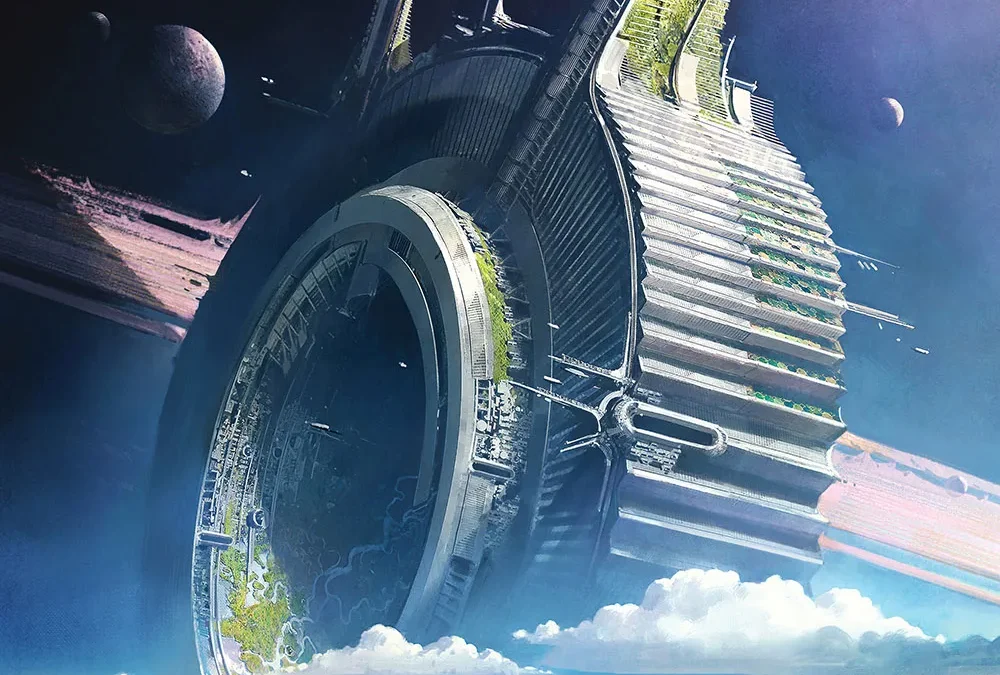
Starlog is returning to magazine publishing 17 years after its final issue, unveiling a new cover and an expanded editorial mission that pairs its science-fiction entertainment roots with explorations of futurism.
The revived edition arrives Nov. 13. It will begin a new annual publishing schedule under editor in chief Annalee Newitz, a founding editor of io9.
Issue No. 1 will retain the film and television features associated with the original magazine while widening its scope to consider where science and humanity could be headed. Its opening story examines whether humans could viably farm crops on planets beyond Earth, a direction reflected in the new cover by Gabriel Yeganyan.
“Science fiction and fantasy give us a sandbox to reimagine our world, and Starlog is your invitation to play along,” Newitz said in a statement. “We’re honoring the fannish legacy of the original magazine and bringing it into the future with hopeful, awe-inspiring, and scientifically grounded explorations of where humanity could go next.”
A sci-fi publication with decades of history
Starlog first launched in 1976 and built a fanbase as one of the comparatively few outlets offering reliable news and interviews about geek culture. Its debut cover focused on Star Trek, which became one of the publication’s primary areas of expertise.
The magazine’s writers and editors also helped pioneer coverage of Star Wars. The returning issue revisits some of the rumors Starlog published a year before that movie opened.
Across its original run, the magazine produced 374 issues and more than 25,000 pages. Its final issue was published in April 2009, when J.J. Abrams’ Star Trek was still weeks from reaching theaters, Robert Downey Jr. was on the set of Iron Man 2, and George Lucas was still years away from selling Lucasfilm to Disney.
Fangoria Holdings, which also owns Fangoria and Gorezone, is behind the revival. The return was announced earlier this year and extends beyond the annual magazine: Starlog now also has the weekly Lodestar newsletter and a podcast hosted by veteran journalist Jordan Hoffman, a contributor to The Hollywood Reporter.
Co-owner Tara Ansley said the timing of the comeback reflects how science fiction’s relationship with everyday life has changed since the magazine’s original era.
“During its original 33-year run, Starlog documented science fiction as it evolved across film, television, books, technology, and culture,” Ansley said. “Fifty years after the magazine first launched, the line between science fiction and the real world has become increasingly difficult to separate. That makes this an especially interesting time to bring Starlog back.”
Ansley added that although technology changes, the enduring questions remain centered on people, including “how we live, what we create, and what kind of future we want to build.”
ShowBiz Take
Starlog is not simply attempting to recreate its former publication model. The annual magazine, weekly newsletter and podcast give the revived brand several ways to engage with science-fiction culture, while the new focus on futurism provides a clear distinction between this edition and the title’s original run.
That balance is what makes the return significant. The new team is drawing directly on a 374-issue archive built around film, television, books, technology and culture, but it is also using science fiction as a starting point for scientifically grounded questions about humanity’s future. A feature on farming beyond Earth makes that broader ambition clear from the opening story.
What Happens Next?
The first new edition of Starlog in 17 years arrives Nov. 13. After that, the magazine is scheduled to publish one issue each year, with the Lodestar newsletter and Hoffman-hosted podcast continuing as additional parts of the revival.