
Spotify has expanded the licensing roster for its planned AI-powered remix tool, reaching an agreement with France-based independent music company Believe that also includes its digital distribution division, TuneCore.
The deal brings Believe and TuneCore alongside Universal Music Group, Merlin and Kobalt, which have also struck agreements with Spotify for the forthcoming service. The tool remains unnamed, and Spotify has not announced a release date.
Spotify envisions the feature as a paid add-on to Spotify Premium. It would allow listeners to create remixes or covers of songs by their favorite artists within a platform controlled by Spotify, while generating an additional source of revenue for participating musicians and music companies.
The planned service is also intended to offer a licensed alternative to the unauthorized AI-generated song adaptations that have proliferated across social media platforms.
Artists Will Have a Choice
Believe said it had been discussing the partnership with Spotify for a year. Participation will be voluntary for its artists and will involve multiple levels of approval.
Artists will first be able to decide whether they want to participate in an AI service. After making that choice, they can separately determine whether Spotify may use their work for its remix tool.
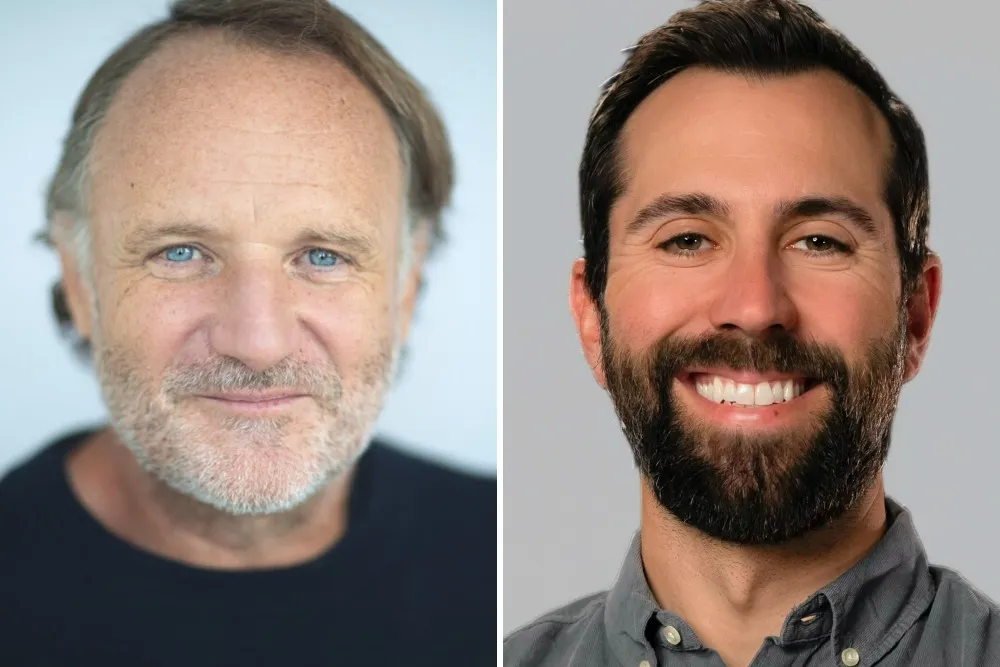
Believe CEO and founder Denis Ladegaillerie framed the arrangement around the company’s stated principles of “consent, control, compensation and transparency.”
“Together, we are turning an already widespread fan remixing activity into a licensed experience that will enhance fan remix creation within Spotify’s controlled platform and generate revenues for artists,” Ladegaillerie said.
He also pointed to Spotify’s safeguards against AI-generated spam and low-value content, along with Believe’s work to strengthen its generative AI music framework. Ladegaillerie said the companies are seeking to “eradicate AI slop” and make artificial intelligence a source of value for music fans, artists and rights holders.
Spotify senior vice president and global head of music Charlie Hellman said the planned tool could “deepen the connection between fans and the artists they love,” create new value for artists and direct attention back toward the original recordings.
“Getting there takes partners across the industry, and Believe and independent artists have helped move the industry forward at every major turning point,” Hellman said. “I’m encouraged that their participation now strengthens the momentum toward artist consent, compensation and credit.”
Spotify’s Wider AI Push
The Believe agreement arrived only hours after Spotify disclosed that it had removed 50 million AI “slop” tracks from user recommendations this year. The company shared that figure as part of a broader look at how it is handling the rise of artificial intelligence.
Believe has also been building other ties to AI music technology. Just over a month before the Spotify deal, Believe Music entered a partnership with AI music-generation platform Suno to help power Suno’s label-backed “v6” model.
Together, the developments place consent and licensing at the center of Spotify’s proposed remix offering. Rather than leaving AI covers and adaptations to circulate through outside social platforms without authorization, Spotify’s plan is to bring that activity into its own paid environment, subject to agreements with music companies and approval from participating artists.
ShowBiz Take
The importance of the Believe deal lies in both its reach and its structure. Spotify is continuing to add music-company partners before launching the tool, while Believe’s voluntary, two-step artist approval process puts individual consent directly into the arrangement.
The proposal also connects two sides of the AI music debate already identified by the companies: fans are creating remixes, but platforms and rights holders are confronting unauthorized adaptations, spam and low-value AI content. Spotify’s answer is a controlled, licensed product designed to compensate participating artists and companies while pointing listeners back to the original music.
Whether that model delivers those promised benefits will depend on the still-unrevealed details of the service. For now, the Believe and TuneCore agreement gives Spotify another major partner as it builds support for the project.
What Happens Next?
Spotify has yet to announce the tool’s name or release date. The company’s stated plan is to offer it as a paid Spotify Premium add-on, with Believe artists retaining the choice of whether to participate and whether their work can be used.