
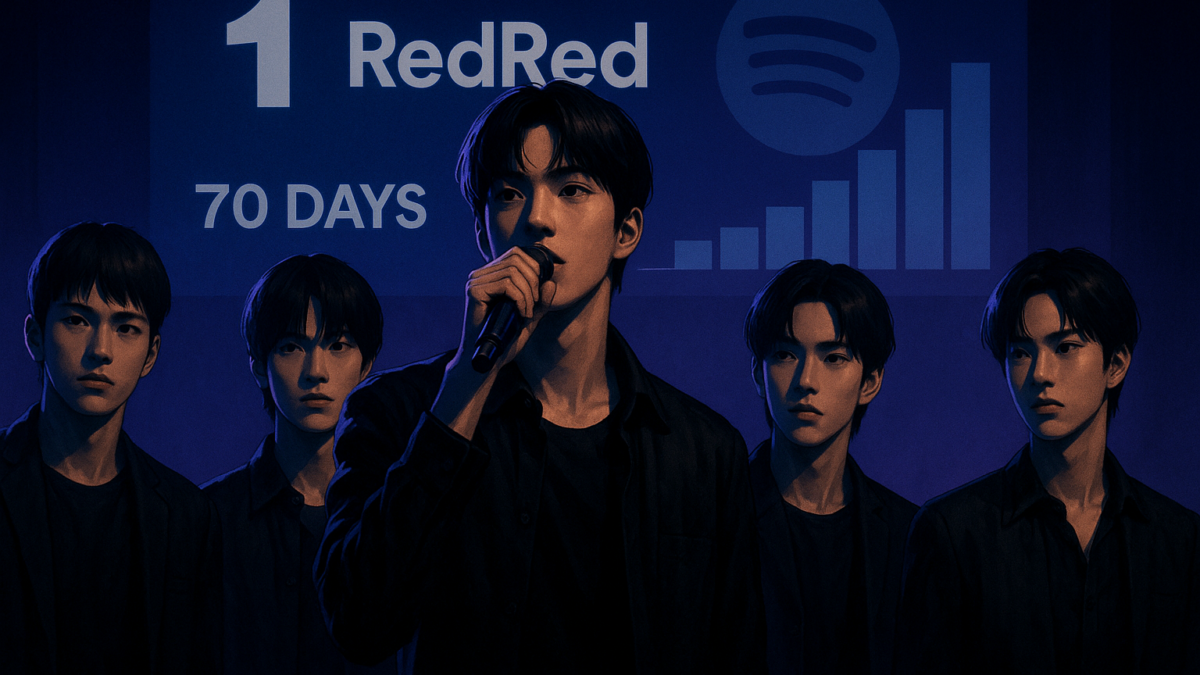
Spotify is introducing new “AI Persona” badges intended to identify artists whose public-facing identity is generated or materially shaped by artificial intelligence, marking one of the streaming industry’s most visible attempts yet to separate human performers from synthetic acts.
The badges are designed to appear when an artist’s name, profile imagery, promotional visuals or broader visual identity is AI-generated, including cases where a photorealistic avatar or fictional performer is presented as the act behind the music. The move is aimed at giving listeners a clearer understanding of whether they are engaging with a real-world musician, a virtual character or an AI-created persona.
The update arrives as music platforms face growing pressure to explain how generative AI is being used across songs, artist profiles, cover art and marketing campaigns. While AI-assisted music production has become increasingly common, the rise of fully synthetic artists has created a new transparency challenge: a track can sound polished, a profile can look human, and an artist page can resemble any other professional act, even when no such person exists.
Spotify’s badge system is not a blanket label for every song that uses AI tools. Instead, it focuses on the identity of the artist as presented to the public. That distinction matters. A human singer using AI in the studio is a different scenario from a fabricated pop star built around a computer-generated face, voice and backstory. Spotify’s policy appears designed to draw that line for users who may not otherwise know what they are seeing or hearing.
Why the label matters
The introduction of AI Persona badges reflects a broader shift in how digital entertainment companies are thinking about authenticity. Streaming services once organized music primarily around genre, mood and popularity. Now they are being asked to disclose not only what content is, but who — or what — is behind it.
For listeners, the change could help reduce confusion in an environment where synthetic images and voices are becoming harder to detect. A realistic profile photo, stylized album cover or convincingly human biography can create the impression of a traditional performer. Without disclosure, fans may form a connection with an artist they believe to be a real person, only to later discover the identity was engineered by a production team, software system or rights holder.
For artists, the stakes are also significant. Human performers are competing for attention on platforms where discovery is increasingly algorithmic and visual branding plays a major role. If AI-generated personas can flood the marketplace without being clearly identified, musicians and managers argue that it becomes harder for audiences to evaluate originality, labor and artistic intent.
The issue is particularly sensitive because AI tools can be used to create songs at scale, generate artist photos, design cover art and even simulate the texture of human vocals. Spotify has previously said it does not want to ban AI music outright, but the company has moved to address content that misleads listeners, impersonates artists or manipulates streaming systems. The new badges fit into that strategy by focusing on disclosure rather than prohibition.
Industry context
Spotify’s move comes as the music business continues to wrestle with the opportunities and risks of artificial intelligence. Major labels have been negotiating with technology companies over licensing frameworks, while artists and songwriters have pushed for stronger protections against unauthorized voice cloning and training data use. At the same time, some producers, independent musicians and experimental labels are embracing AI as a creative tool.
The debate has moved quickly from hypothetical to commercial. AI-generated tracks have appeared across streaming services, some as novelty releases and others packaged as serious projects. Virtual acts are not new — music has a long history of animated bands, fictional performers and avatar-led entertainment — but generative AI lowers the cost and speed of creating these identities dramatically.
That acceleration has raised concerns for distributors and platforms. If a fictional artist can be generated in minutes, complete with a face, biography, catalog and social media imagery, streaming services need a way to keep metadata accurate and user trust intact. Badging offers a middle path: it does not prevent virtual artists from appearing on Spotify, but it gives audiences information that may affect how they interpret the act.
The policy may also influence how labels and independent distributors submit content. Artist teams that use AI-generated profile visuals or build projects around synthetic performers may need to provide more precise information about the nature of the act. Over time, that could make transparency a standard part of digital music distribution, similar to explicit-content notices or contributor credits.
For Spotify, the initiative is also about protecting its own marketplace. The company’s recommendation engine depends on listener trust. If users begin to feel that the platform is blurring the line between real and synthetic performers without disclosure, that could undermine confidence in discovery playlists, artist pages and personalized recommendations. Clear labels help Spotify maintain the idea that its catalog can be both expansive and understandable.
Still, the rollout is likely to raise complicated questions. What happens when an artist uses an AI-generated image for aesthetic reasons but performs every vocal and writes every song? How should platforms treat virtual bands controlled by human creators? And who decides when an artist’s identity is sufficiently synthetic to require a badge?
Those gray areas will be important. The entertainment business has long relied on stage names, constructed images and carefully managed personas. Pop stars, DJs and animated projects often blur performance and character. The difference now is technological: AI can create a convincing public identity with no physical performer attached, making disclosure more urgent and more difficult.
What Happens Next
Spotify’s AI Persona badges are expected to become part of a larger transparency framework as synthetic music and virtual artists continue to expand across streaming. The company will likely refine how the badges are applied, how artists and distributors report AI-generated identities, and how users encounter the labels on artist pages and related content.
The music industry will be watching closely. If Spotify’s system proves workable, other major platforms may adopt similar disclosure tools, creating a new norm for identifying AI-generated performers. For now, the message is clear: virtual artists are not being pushed out of the streaming economy, but listeners are being given more information about who is real, who is fictional and where artificial intelligence sits between the two.