
Why This Matters
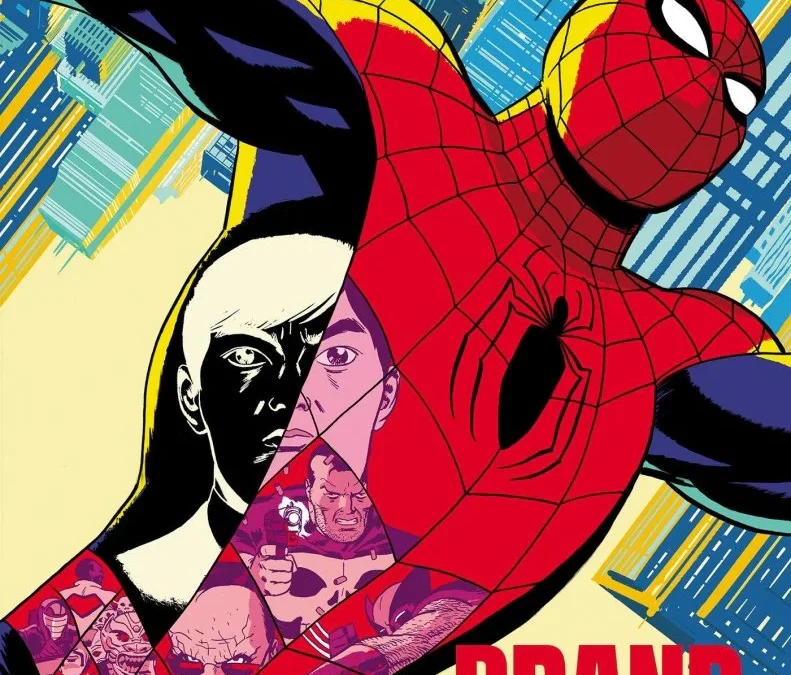
Spider-Man has delivered a box office jolt that immediately reshapes expectations for the domestic theatrical marketplace. Sony and Marvel’s latest web-slinging installment, “Spider-Man: Brand New Day,” pulled in $72 million in preview ticket sales, setting a new domestic preview benchmark and surpassing the $60 million mark established by “Avengers: Endgame” in 2019.
That is not just a franchise milestone. It is a signal that event moviegoing remains extraordinarily powerful when audiences believe a film is essential communal viewing. In an era when studios are still measuring the long-term impact of streaming habits, shorter theatrical windows and rising ticket prices, a number this large suggests that urgency can still be manufactured at scale — provided the property is strong enough.
Preview grosses have become one of Hollywood’s most closely watched early indicators because they reveal how much heat a movie has before casual moviegoers enter the picture. A $72 million start means “Brand New Day” is not merely playing to loyal fans; it is arriving with the kind of cultural momentum that can lift an entire weekend, drive premium-format sellouts and dominate online conversation before Friday matinees even begin.
Paul Dergarabedian, head of marketplace trends at Rentrak, described demand for the film as astonishing, and the description fits. Spider-Man has long been one of the most durable characters in modern cinema, but this performance places the character in rarefied air even by Marvel standards. Topping “Endgame” in any opening metric is a remarkable achievement, given that film functioned as the culmination of more than a decade of interconnected storytelling.
The record also matters because it arrives at a moment when superhero fatigue has been one of the industry’s favorite talking points. Several comic book titles in recent years have underperformed or struggled to break through beyond core fans. “Brand New Day” offers a counterargument: audiences have not necessarily abandoned superheroes, but they have become more selective about which stories demand a trip to theaters.
Industry Context
The Spider-Man brand occupies a unique position in Hollywood. It is both a Sony-controlled theatrical crown jewel and a key pillar of Marvel’s wider screen mythology. That partnership has produced some of the most commercially successful superhero releases of the past decade, giving the character a cross-studio significance that few franchises can match.
For Sony, the preview record reinforces the value of holding onto one of the most bankable pieces of intellectual property in the business. At a time when studios are scrutinizing every tentpole budget and marketing spend, “Brand New Day” gives Sony a powerful reminder that franchise ownership can still generate enormous upside when managed with precision. For Marvel, the result provides a timely boost to a brand that has faced increased pressure to recalibrate its film and television output.
The comparison to “Avengers: Endgame” is especially notable because that film was viewed as a once-in-a-generation theatrical event. Its $60 million preview gross represented the peak of Marvel’s first major saga and helped launch a record-shattering opening weekend. By moving past that number, “Brand New Day” enters the conversation as one of the most anticipated releases in domestic box office history.
Preview figures, however, are not always a straightforward predictor of weekend trajectory. Fan-heavy films can be frontloaded, with die-hard audiences rushing out at the earliest possible showtimes. The key question for exhibitors and analysts will be whether the film maintains momentum through Saturday and Sunday or burns off too much demand upfront. Still, when the starting line is $72 million, even a frontloaded performance can translate into a massive overall opening.
Theaters will welcome the surge. Exhibition has depended increasingly on fewer, bigger movies to carry quarterly results, particularly as mid-budget dramas, comedies and adult-skewing films have become less reliable theatrical draws. A Spider-Man opening of this magnitude drives more than ticket sales; it boosts concessions, premium large-format attendance and repeat traffic across multiplexes.
The performance also speaks to the marketing power of secrecy and speculation. Major superhero releases now operate as mystery boxes, with casting rumors, cameo theories and multiverse possibilities fueling months of online engagement. That environment can be risky if expectations outpace the film itself, but it can also create the kind of must-see energy that turns Thursday previews into a national event.
International results will be another crucial piece of the puzzle. Spider-Man traditionally performs strongly overseas, and a domestic preview record will likely amplify global attention. If foreign markets respond with similar intensity, “Brand New Day” could quickly position itself as one of the year’s defining box office stories and potentially one of the highest-grossing entries in the character’s screen history.
What Happens Next?
All eyes now turn to the full opening weekend. The record preview haul gives “Spider-Man: Brand New Day” a towering head start, but analysts will be watching daily drops, audience scores and social media sentiment to determine whether the film can sustain its pace beyond the initial wave of fans.
If word of mouth is strong, the film could become more than a record-setter — it could become a market stabilizer. A huge opening followed by healthy holds would give theaters a badly needed anchor and provide studios with fresh evidence that theatrical exclusivity still matters for the right title. It would also strengthen the hand of franchise filmmakers and producers arguing for big-screen spectacle in an increasingly fragmented entertainment landscape.
For Sony and Marvel, the immediate challenge will be managing the conversation after the opening frenzy. A debut this large raises expectations for sequels, spinoffs and the future shape of Spider-Man on screen. The companies will likely move carefully, allowing the film’s box office run to unfold before revealing too much about where the character goes next.
The next few days will determine whether this preview record is the peak of a fan-driven rush or the opening chapter of a historic theatrical run. Either way, Spider-Man has already delivered the kind of number that forces the industry to pay attention — and gives Hollywood a reminder that, when the right franchise meets the right moment, audiences will still show up in extraordinary force.