
Why This Matters
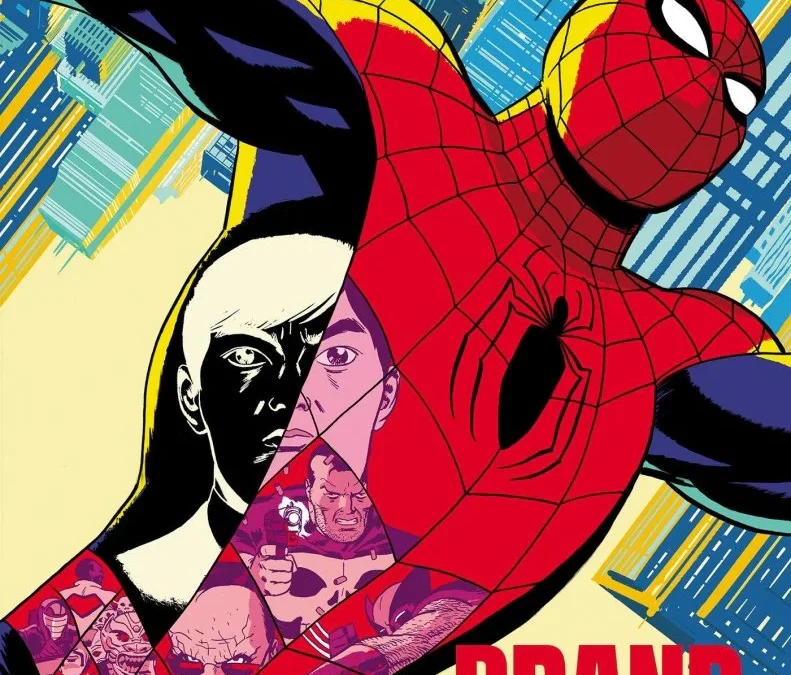
Spider-Man: Brand New Day has delivered the kind of theatrical jolt Hollywood executives spend years trying to engineer. With an estimated $168 million opening day in the U.S., the Tom Holland-led Marvel film has moved past the previous domestic first-day benchmark set by Avengers: Endgame, instantly turning its launch into one of the defining box office moments of the decade.
The number is significant not simply because it belongs to another superhero movie, but because it arrives at a time when the industry has been closely watching whether comic-book properties still have the power to create true event-level urgency. Over the past several years, the genre has faced uneven results, audience fatigue narratives and heightened scrutiny over budgets. This debut suggests that, under the right conditions, the Marvel machine can still command extraordinary audience attention.
For Sony Pictures and Marvel Studios, the performance is a major validation of the continued appeal of Holland’s Peter Parker. After the enormous success of Spider-Man: No Way Home, the next chapter carried unusually high expectations. The challenge was not only to bring back fans, but to prove that the franchise could move forward without relying solely on nostalgia-driven spectacle. The scale of the opening day indicates that moviegoers responded to the promise of a fresh chapter.
The result also reinforces Spider-Man’s status as one of the most valuable brands in global entertainment. Few characters can generate this level of excitement across age groups, markets and viewing habits. While many franchises have struggled to convert online awareness into ticket sales, Spider-Man remains a rare property where anticipation still translates into packed auditoriums, premium-format sellouts and repeat-viewing potential.
Just as importantly, the figure gives exhibitors a major win. Theater owners have been pushing for more consistent tentpole traffic, and a $168 million first-day haul provides exactly the kind of momentum that can lift the entire marketplace. Concession sales, IMAX and PLF attendance, and spillover interest in other titles all benefit when a release becomes a cultural happening rather than just another wide opening.
Industry Context
The record-setting launch lands in what has already been a notably strong year for theatrical releases. Christopher Nolan’s The Odyssey helped reestablish the appetite for large-scale cinema earlier in 2026, drawing audiences with the promise of old-school spectacle and filmmaker-driven ambition. Now, Brand New Day is proving that the superhero lane can still be just as potent when supported by the right character, marketing strategy and release window.
Marvel’s recent box office history has been more complicated than its imperial run of the 2010s. After Endgame brought the Infinity Saga to a peak, the studio entered an era of expansion across film and streaming, with mixed commercial and critical outcomes. Some titles overperformed, others underwhelmed, and the sheer volume of interconnected storytelling left portions of the audience feeling less obligated to keep up.
That makes the opening for Brand New Day particularly important. It suggests that audiences may be selective rather than disengaged. They may not show up automatically for every superhero release, but they will turn out in massive numbers when the proposition feels essential. Spider-Man, with his more personal stakes and broad emotional accessibility, has remained one of Marvel’s strongest bridges between die-hard fans and casual moviegoers.
The film’s performance also strengthens the long-running partnership between Sony and Marvel Studios, a relationship that has occasionally attracted intense fan speculation and industry attention. The shared stewardship of the character has produced some of the most commercially successful superhero releases of the modern era. A debut of this magnitude gives both companies significant leverage and incentive to keep the arrangement thriving.
Premium formats appear to be playing a major role in the grosses, as they have for many recent blockbusters. Audiences are increasingly willing to pay higher ticket prices when a film is positioned as an immersive, large-format experience. That trend has helped reshape opening-weekend economics, particularly for franchise titles that can dominate IMAX, Dolby Cinema and other high-end screens during their initial frame.
The timing is also crucial. Summer and holiday corridors have historically powered many of Hollywood’s biggest openings, but the post-pandemic marketplace has shown that audiences will come out in force at various points on the calendar if the film feels big enough. Brand New Day is now part of that evolving pattern, where the event status of a movie can matter more than traditional seasonal assumptions.
What Happens Next?
All eyes now turn to the full opening weekend. With a $168 million first day already in the books, the film is positioned to challenge the upper limits of domestic box office history, though its final placement will depend on Saturday and Sunday holds. Front-loaded fan demand can sometimes create steep day-to-day drops, but Spider-Man has historically benefited from family audiences and strong repeat business.
If the film sustains momentum, it could enter the conversation for the biggest domestic weekend ever. Even falling short of that mark would still represent a massive commercial victory and likely set the tone for weeks of strong play, especially if audience scores remain enthusiastic. Word of mouth will be a key factor as the film moves beyond the core fan base into broader moviegoing circles.
International results will be the next major indicator of the film’s overall ceiling. Spider-Man has long been a global powerhouse, and overseas markets could push the title toward a towering worldwide total if the domestic excitement is mirrored abroad. Currency fluctuations, local competition and release patterns will all shape the final outcome, but the brand’s international appeal is one of its greatest strengths.
For Marvel, the debut may influence how aggressively the studio positions its next slate. A breakout of this size gives executives evidence that audiences still want interconnected superhero storytelling, provided the films feel distinctive and consequential. For Sony, it further confirms Spider-Man as the cornerstone of its comic-book strategy and one of the most reliable theatrical assets in the business.
The immediate question is whether Spider-Man: Brand New Day can turn a historic first day into an all-time weekend milestone. The broader question is whether this is a singular triumph or the start of a renewed theatrical wave for superhero cinema. Either way, Hollywood has been handed a clear message: when the right character arrives with the right momentum, the big-screen blockbuster is still capable of rewriting the record books.