
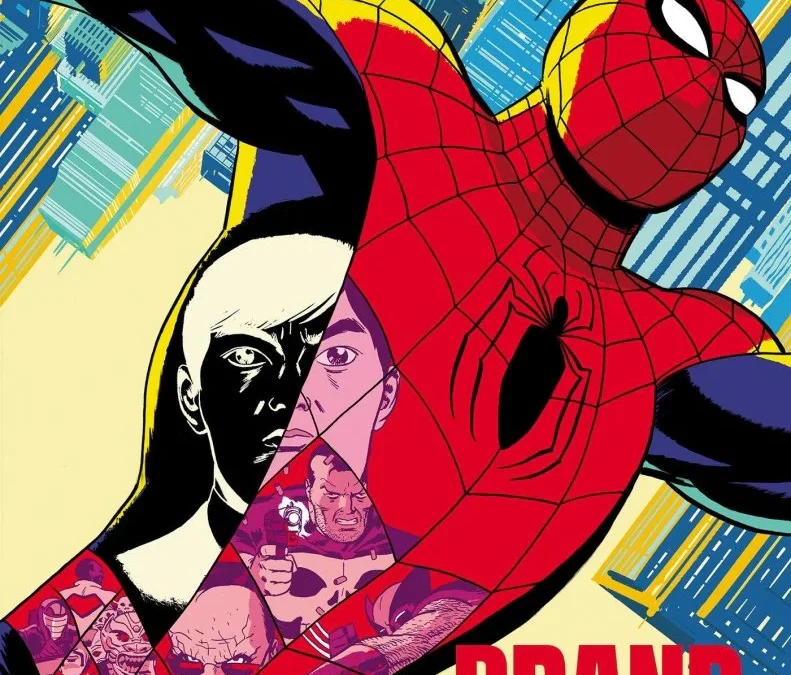
Why This Matters
Sony Pictures has found itself with exactly the kind of win every legacy studio has been chasing in the streaming era: a superhero film that did not merely draw loyal fans, but reasserted the commercial muscle of the theatrical marketplace. With Spider-Man: Brand New Day delivering record-setting box office results, Sony Pictures Chairman and CEO Tom Rothman has seized the moment to push back against the long-running argument that moviegoing is in permanent decline.
Rothman’s response is more than a victory lap. It is a pointed reminder that the theatrical experience remains one of Hollywood’s most powerful engines when the right franchise, release strategy and cultural moment align. For years, studio chiefs have had to defend the economics of cinemas against predictions that audiences would simply wait for films to arrive at home. The performance of Sony’s latest Spider-Man entry gives that counterargument fresh weight.
The film’s success matters because Spider-Man is not just another recognizable brand. It is one of the rare properties that can still pull together multiple audience segments: comic book devotees, families, younger moviegoers, nostalgia-driven adults and global franchise fans. When a title like this overperforms, it does not only benefit Sony. It boosts exhibitors, strengthens premium-format demand and encourages studios to keep investing in large-scale theatrical releases rather than treating cinemas as an optional stop before streaming.
Rothman’s jab at anti-theater sentiment also lands at a time when the industry remains deeply sensitive to the question of where audiences want to watch major movies. The pandemic accelerated changes that were already underway, shortening theatrical windows and normalizing the idea of high-profile films debuting quickly on digital platforms. But record-breaking theatrical runs continue to complicate the narrative that convenience has fully replaced communal viewing.
In that sense, Brand New Day is being read as both a corporate triumph and a symbolic one. It suggests that audiences may be selective, but they are not indifferent. They will leave the house when a movie feels like an event, when spoilers are part of the conversation, and when the scale of the production promises something bigger than a living-room screening.
Industry Context
The debate over cinemas versus streaming has defined the last several years of Hollywood strategy. Studios poured billions into direct-to-consumer platforms, often prioritizing subscriber growth over box office grosses. At the same time, theater chains argued that the industry was undervaluing the marketing power, revenue potential and cultural impact of theatrical exclusivity.
Sony has been a particularly interesting player in that landscape. Unlike some of its major competitors, the studio has not built its entire identity around a proprietary general-entertainment streaming service. That has allowed Sony to remain more flexible, licensing content across platforms while continuing to treat theatrical releases as a central pillar of its business. Rothman has repeatedly championed the notion that theatrical success can elevate a film’s value across every later window, from premium video-on-demand to streaming licensing and television sales.
The Spider-Man franchise has long illustrated that point. Sony’s stewardship of the character, in partnership with Marvel Studios on several installments, has produced some of the most commercially potent superhero releases of the modern era. The character’s appeal cuts across generations, and the brand has repeatedly shown resilience even as broader superhero fatigue has become a concern for studios and analysts.
That context makes the latest box office surge especially notable. The superhero category is no longer bulletproof. In recent years, several comic book films have stumbled, raising questions about oversaturation, inconsistent quality and audience weariness with interconnected storytelling. A record-breaking Spider-Man release gives the genre a needed headline, but it also reinforces a more specific lesson: familiarity alone is not enough. Audiences respond when a franchise gives them a sense of momentum, emotional investment and spectacle worthy of a theatrical ticket.
For exhibitors, the news is equally significant. Movie theaters have been navigating an uneven recovery, with some weekends dominated by major tentpoles and others exposing the thinning supply of mid-budget studio fare. A breakout from a marquee franchise can generate concession sales, fill premium large-format screens and create the kind of foot traffic that lifts surrounding releases. It also gives theater owners leverage in arguing that studios should avoid rushing their biggest films to home platforms.
Rothman’s comments, then, reflect a broader industry mood. Executives are no longer framing streaming and theatrical as a simple either-or proposition. The more practical question is how to preserve the value of each window. A film that becomes a must-see theatrical event can later become a more desirable streaming asset precisely because audiences have already treated it as culturally important.
What Happens Next?
The immediate next step for Sony is sustaining momentum beyond the opening rush. Record starts generate headlines, but studios watch closely for weekend-to-weekend holds, international strength and repeat business. If Spider-Man: Brand New Day maintains strong legs, it will become not just a launch-weekend story but one of the defining box office performances of the year.
The results will also shape Sony’s future franchise planning. A film of this scale can influence release calendars, talent negotiations and the studio’s broader approach to its Marvel-related properties. Strong theatrical returns make it easier to justify premium budgets, ambitious marketing campaigns and continued investment in big-screen spectacle.
For the wider business, expect Rothman’s theater-first argument to echo across executive suites. Every major studio is studying what persuades audiences to show up in person, and Spider-Man’s latest success will be used as evidence that theatrical moviegoing remains viable when the product feels urgent enough.
The larger takeaway is not that streaming is fading or that every film belongs in cinemas. It is that the death notice for movie theaters keeps arriving too early. With a web-slinger once again turning the box office into a cultural event, Sony has a powerful reminder that the big screen still has plenty of fight left.