
Paramount Skydance and Warner Bros. Discovery have completed their merger into Skydance Corp., and the combined company’s leaders are warning employees that workforce reductions will follow.
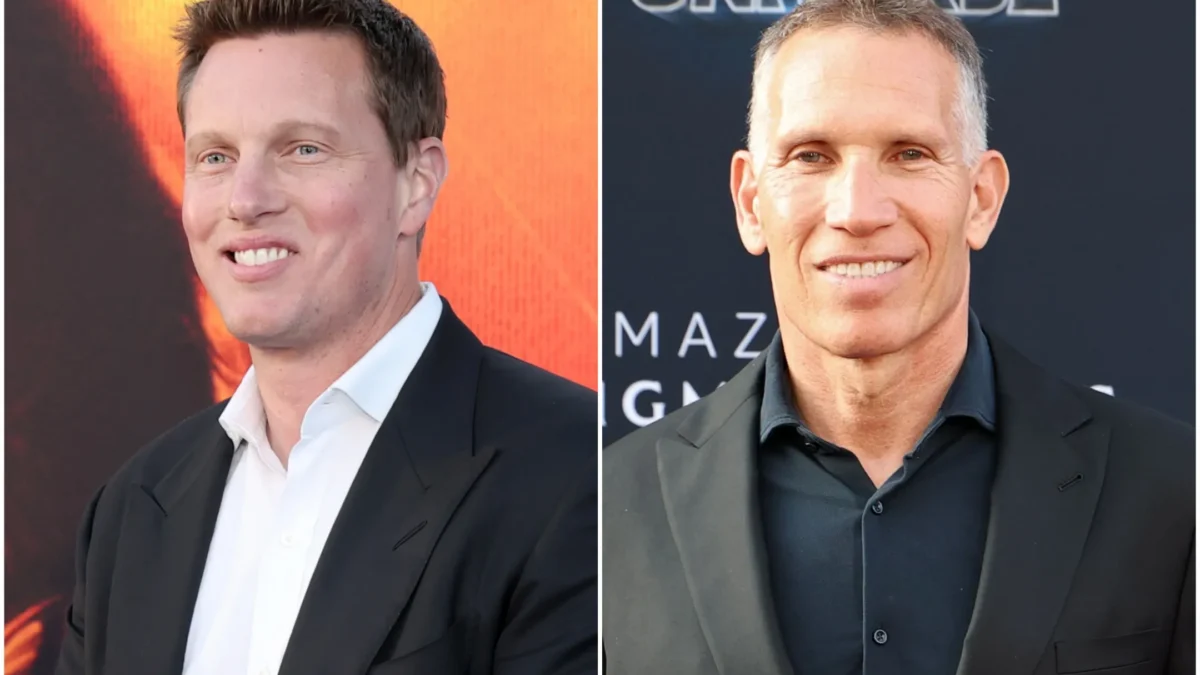
Chairman and CEO David Ellison and co-CEO Ynon Kreiz, the former chief executive of Mattel, addressed staff in a 1,705-word memo sent Tuesday at approximately 9:40 a.m. ET after the deal closed. Carrying the subject line “Day 1,” the message set out Skydance’s ambitions while directly acknowledging the human cost of integrating the businesses.
“Integrating two companies will bring change, including difficult decisions that affect our workforce,” Ellison and Kreiz wrote. “We are committed to handling this process thoughtfully and respectfully.”
The company has not disclosed how many positions it expects to eliminate. Paramount executives have previously said they are pursuing more than $6 billion in annualized cost savings over three years, with layoffs accounting for part of those savings. An August report issued by Los Angeles County said the merger could lead to the loss of approximately 4,500 film and television jobs over three years in Los Angeles alone.
A nearly $70 billion entertainment company
In their message, Ellison and Kreiz described the newly combined operation as one of the world’s largest media and entertainment companies, with nearly $70 billion in revenue. The memo said Skydance is targeting at least $6 billion in synergies to create a leaner business and make more capital available for stories, creators and technology.
Despite the coming cuts, the executives framed the merger as a long-term effort to build what they called “the next-generation media and entertainment company, powered by creativity and technology.”
“The goal was never simply to add more production capacity, brands or IP,” they wrote. “It was to unite the talent, resources and capabilities of these companies into a stronger competitor, one with the scale to take on the biggest players in our industry.”
The executives said the company will operate around four central priorities: winning in storytelling, becoming the most technologically capable media company, leading in a crowded market and earning trust through direct communication and follow-through.
At least 30 movies a year
Skydance plans to make at least 30 films annually, combining original projects from filmmakers with established franchises including Harry Potter, Mission: Impossible, The Lord of the Rings, DC, Transformers and Star Trek.
The memo also pointed to Game of Thrones, Landman, NCIS, Tracker and SpongeBob SquarePants as examples of its television and streaming storytelling. Hogwarts Legacy and Mortal Kombat were highlighted in games, while the company’s live-sports portfolio includes the NFL on CBS, UFC, UEFA and March Madness.
Technology will be another major focus. Ellison and Kreiz said Skydance intends to use data, emerging production tools and personalization to improve how content is made, distributed and monetized. The company also plans to embrace artificial intelligence to expand creative possibilities and increase productivity.
However, the executives attached a clear condition to that strategy: “Technology must serve the art — never the other way around.”
They also said advanced technology would be embedded throughout the company as it searches for efficiencies beyond the traditional savings generated by a merger.
Paramount and Warner Bros. will retain their identities
Although Skydance becomes the corporate name, Paramount and Warner Bros. will continue operating under their existing studio names. Audiences will also continue to see the Paramount mountain and Warner Bros. shield before their films and shows.
The memo said leaders considered combined names such as WarnerParamount, ParaWarner and ParamountWarner but concluded those options diminished both companies rather than creating a distinct identity for the new operation.
Skydance was ultimately selected because it allowed the company to establish a forward-looking corporate brand without competing with either studio’s identity. The name also carries personal significance for Ellison, who chose it for his studio 20 years ago.
Ellison and Kreiz stressed that the company wants to preserve the separate legacies of Paramount and Warner Bros. while using their combined franchises, libraries, brands, relationships and creative talent to reach audiences across more platforms, markets and generations.
What Happens Next?
The immediate unanswered question is the scale and timing of the layoffs. While management has confirmed that workforce decisions are part of the integration, no total number of cuts has been announced.
For the wider company, the next phase will center on combining operations, reaching the multibillion-dollar savings target and executing an ambitious slate across movies, television, streaming, games and sports.
“Today is Day One,” Ellison and Kreiz told employees, closing their memo with a blunt assessment of the task now facing the merged company: “Now the real work begins.”