
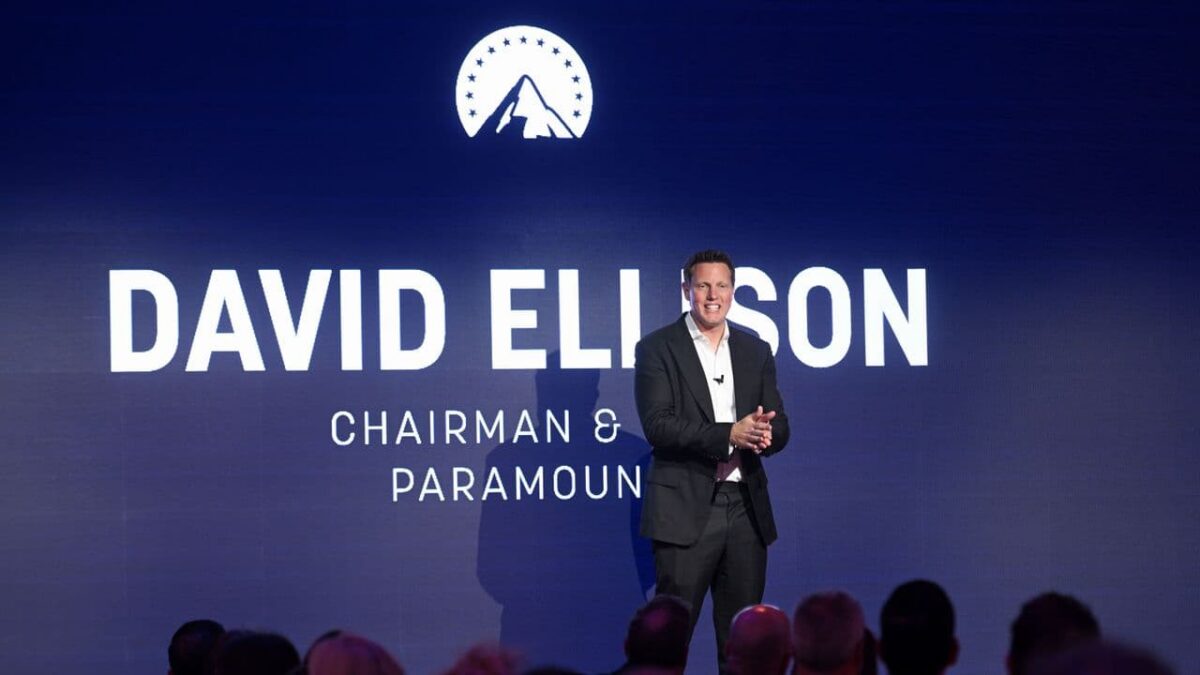
Paramount CEO David Ellison is set for a pivotal Monday discussion with California Attorney General Rob Bonta as the state pushes for hard concessions before allowing Paramount’s proposed $110 billion merger with Warner Bros. Discovery to move forward.
The meeting has become one of the most closely watched pressure points in the entertainment industry’s largest pending consolidation drama. According to people tracking the negotiations, Bonta is seeking structural remedies that would go well beyond customary promises about fair dealing or future investment. Among the ideas on the table: requiring Paramount to divest certain cable networks and preserve the independence of its film studio operations rather than folding them into a combined Warner Bros.-Paramount apparatus.
Paramount, led by Ellison following the Skydance-backed takeover that reshaped the company’s leadership, has resisted asset sales and has instead favored commitments that would allow the merged company to retain strategic flexibility. But California’s antitrust lawsuit remains a major obstacle, and the attorney general’s office has signaled that behavioral pledges alone may not be enough.
The stakes are unusually high because the proposed combination would unite two of Hollywood’s oldest studios, a vast portfolio of cable brands, major news and sports assets, and two large streaming businesses at a moment when the traditional entertainment economy is under severe strain. For regulators, the concern is not simply size. It is whether the deal would reduce competition for theatrical releases, television production, licensing, advertising and carriage negotiations with pay-TV distributors.
For Ellison, the challenge is equally stark: deliver the scale investors believe Paramount needs without surrendering the assets that make the transaction strategically valuable.
A Regulatory Test With Hollywood Consequences
California’s role is especially significant because it is not just another state reviewing a corporate merger. It is the home base of the film and television business, the center of studio labor, and the jurisdiction where decisions about production, distribution and employment carry outsized political weight.
Bonta’s office has been increasingly aggressive on competition matters, and the WBD deal gives California a chance to shape the next phase of media consolidation. Structural remedies, such as divestitures or legally enforceable separations, are typically viewed by antitrust officials as more durable than promises about future conduct. That is why the demand to sell cable networks or keep a studio operation independent matters: it would permanently alter the economics of the merged company.
Paramount’s position is that the market has already changed dramatically. Linear television is shrinking, streaming remains expensive, and entertainment companies are competing not only with each other but with tech giants, social platforms and global video services. From that view, a larger Paramount-WBD would be better positioned to invest in films, franchises, sports rights and direct-to-consumer platforms.
But regulators are likely to scrutinize whether the combined entity would have too much leverage over distributors and too much influence over what gets made, marketed and released. A merger of Paramount and Warner Bros. Discovery would bring together libraries, production pipelines and brands that have defined the studio system for generations. Even in a weakened cable market, channels tied to sports, news, lifestyle and scripted entertainment still hold negotiating power.
Retail Investors See Leverage On Ellison’s Side
Among retail investors following PSKY, the newly enlarged Paramount-Skydance vehicle, the prevailing argument is that Ellison “holds the cards” because Warner Bros. Discovery’s board and investors are also seeking a path to scale. WBD has faced pressure from cord-cutting, debt, uneven streaming profitability and the complicated task of balancing premium television, theatrical franchises and legacy cable networks.
That does not mean Ellison can simply wait out California. A state antitrust challenge can delay closing, complicate financing and create uncertainty around integration planning. Even if federal regulators are prepared to entertain the deal, a determined state attorney general can extract concessions or force litigation that changes the timetable dramatically.
Still, Ellison’s leverage comes from the broader industry reality: Hollywood companies are under pressure to consolidate or risk being squeezed by platforms with deeper pockets and global reach. Paramount’s management can argue that divesting key assets before the merger closes would weaken the very efficiencies the transaction is designed to achieve.
The disagreement now appears to center on whether California can obtain meaningful competition protections without dismantling the deal’s core rationale. A cable-network sale could ease concerns about bargaining power but may reduce cash flow. A studio independence requirement could preserve creative and distribution competition but may limit the combined company’s ability to coordinate franchise strategy, marketing spend and theatrical windows.
Why The Deal Matters
The outcome will reverberate far beyond Paramount and Warner Bros. Discovery. If California succeeds in forcing major structural remedies, it could become a template for how state regulators approach future entertainment and media mergers. That would matter to any company weighing combinations involving streaming services, studios, sports rights or broadcast assets.
It also arrives at a delicate time for Hollywood workers. The industry is still adjusting to post-strike production patterns, budget cuts, international location shifts and reduced series orders. A merged Paramount-WBD could promise more investment, but consolidation often raises fears about layoffs, fewer buyers for scripts and projects, and less negotiating leverage for producers, filmmakers and talent representatives.
The creative community will be watching whether Bonta seeks commitments tied to production levels, local jobs or supplier diversity, though those measures are usually harder to frame as antitrust remedies. The more immediate regulatory focus remains competition: who controls distribution, who buys content, and whether the marketplace remains open enough for independent producers and rival studios to thrive.
What Happens Next
Monday’s conversation is expected to determine whether the two sides can move toward a negotiated settlement or whether California’s lawsuit becomes a prolonged fight. If Ellison offers a package that includes limited divestitures, governance protections or enforceable studio firewalls, the state may have room to claim a win while allowing the transaction to proceed.
If Paramount holds firm against asset sales, the path becomes riskier. California could press ahead in court, extending uncertainty around the merger and giving other regulators, rivals and industry stakeholders more time to intervene.
For now, Ellison’s task is to convince Bonta that scale will strengthen Hollywood rather than narrow it. Bonta’s task is to prove that California can protect competition without freezing an industry already struggling to reinvent itself. The next move may decide not only the fate of a $110 billion deal, but the rules of engagement for the next era of entertainment consolidation.